




Who’s at the Door?
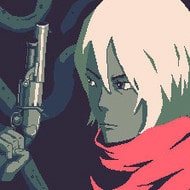
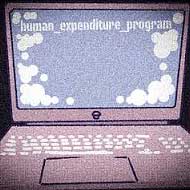
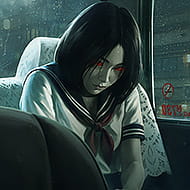
Who’s at the Door? is a suspense-driven puzzle horror game centered around routine disruption. You play as a resident alone in a quiet building, receiving knocks at your door that gradually escalate in frequency, tone, and threat. The game becomes a battle of attention and intuition—figuring out who is knocking, when to open, and what to do when you shouldn’t.
A Minimalist Space With Growing Threats
Set entirely in a compact apartment, the game introduces players to subtle changes over time. Books on shelves disappear, clocks run backward, and radios play messages in unfamiliar voices. The knock at the door changes based on your decisions. The early game rewards patience, but hesitation quickly becomes dangerous.
- Multiple knock patterns indicate who or what is waiting.
- Answering at the wrong time triggers irreversible consequences.
- Hidden environmental clues in lighting, sound, and object placement.
Routine vs Instinct
Each round begins the same: a knock, a pause, a choice. But as the game progresses, players notice inconsistencies—shadows that don’t match the light, breathing on the other side of the wall, whispers coming through static. The horror intensifies without jumpscares, instead relying on decision fatigue and creeping uncertainty.
Some events are scripted, but many are randomized. This means every run can contain different entities, outcomes, and environmental effects. Memorization won’t help as much as reading patterns and responding with caution.
Entities, Endings, and Hacks
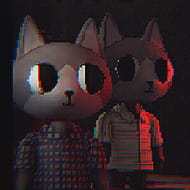
The game features several hidden visitors, each with different behaviors and unlockable paths:
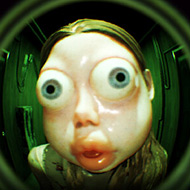
- The Mimic — Imitates voices and creates distractions to lure the door open.
- The Watcher — Appears in reflections and changes your responses.
- The Forgiver — Only appears if you’ve ignored all knocks for over 20 minutes.
Who’s at the Door? doesn’t hand you answers—it builds paranoia through silence, waiting, and doubt. Every choice can be a mistake, and each knock might be the one that ends the game. It’s a slow-burn experience designed to test your instincts more than your reflexes.