









Lost Life




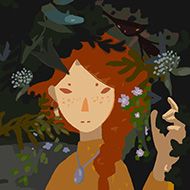


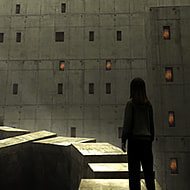
Lost Life looks like a moody wander through a burning forest, all atmosphere and slow-burn dread, but it plays like a slow interrogation of a decision you don’t remember agreeing to. You wake up bleeding in that forest with no clean explanation, and the game spends the next several hours making you question whether the schoolgirl whose choices you’re steering was ever the person you assumed she was.
| Genre | Survival horror |
| Perspective | First-person |
| Setting | A fractured town reached through a burning forest |
| Structure | Act-based, split across Origins and earlier standalone releases |
Lost Life Opens With a Body That Isn’t Supposed to Be Breathing
The forest opening sets the tone deliberately: you’re already hurt, already alone, and the game refuses to hand you a map or an objective marker. Players expecting a conventional tutorial usually die within the first few encounters, because Lost Life treats confusion as a feature, not a rough edge to smooth over.
What survives that first stretch matters — every item picked up here carries forward, and skipping a supply cache out of panic usually means feeling that shortage later in the fractured town.
The Schoolgirl Choices That Shape Everything After
Dialogue and behavior choices during earlier school scenarios quietly determine how the schoolgirl’s personality shifts once the horror sections begin. This is the mechanic most players miss on a first run, since none of it is flagged as important in the moment — you’re just picking a response, not visibly “changing a stat.”
- Colder, more guarded responses tend to push her toward a harder, more self-reliant version later on.
- Warmer responses keep certain relationships intact, which changes who’s willing to help during the fractured town sections.
- A handful of choices lock out entire later interactions permanently, with no warning that they were final.
Mutated Stalkers, Bandit Patrols, and the Fractured Town
Once you reach the town, danger splits into two distinct categories. Mutated stalkers are erratic and fast, dangerous in open ground but easy to lose around corners if you break line of sight early. Bandit patrols behave more like a survival-game faction — coordinated and armed, far more dangerous if you’re spotted with only a melee blade in hand.
Knowing which one you’re dealing with before committing to a fight is the actual skill Lost Life is testing, not raw combat reflexes.
Melee Blades Versus Firearms in Lost Life
Early runs are melee-heavy by necessity — blades are quiet and don’t burn through scarce ammunition, which matters against mutated stalkers that swarm on noise. Firearms turn the tide against bandit patrols but announce your position to everything else nearby, so most experienced players carry both and switch deliberately rather than defaulting to guns.
Environmental Storytelling Instead of Cutscenes
Lost Life rarely stops to explain itself directly. Notes, positioned bodies, and burned-out rooms carry the plot, and piecing together what happened in the fractured town before you arrived is where the horror lives, not in scripted jump scares. Players talk about “reading a room” the way you’d read a crime scene, checking what’s missing as much as what’s there.
Act I, Act II, and What Origins Actually Changes
- Origins reworks the opening forest sequence with clearer environmental cues than the earlier standalone release.
- Act II extends the fractured town with new areas that weren’t accessible in the original build.
- Save carryover between acts means school-scenario choices from Act I still echo into Act II’s available interactions.
Why Lost Life’s Ambiguity Splits Its Own Community
Not everyone likes how little the game explains. Some players find the deliberately vague characterization — figures who are rarely given full names — atmospheric and unsettling in a way that fits the tone. Others find it frustrating when a choice they made hours earlier locks a path with zero indication it mattered. Both reactions show up constantly in community discussion, and neither side is really wrong.
Surviving the First Twenty Minutes Without a Weapon
The opening stretch before you find a melee blade is where most new players die repeatedly. Sticking to cover, avoiding open ground near the tree line, and prioritizing supply caches over exploration is the difference between reaching the fractured town armed and reaching it empty.
Lost Life stays memorable because it never lets the schoolgirl’s earlier choices feel separate from what happens once the mutated stalkers show up — by the time you’re deciding whether to trust a stranger inside the fractured town, you’re really just watching the consequences of a conversation you had before the forest ever caught fire.