


















Boyfriend To Death



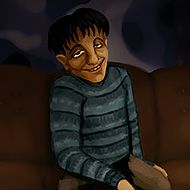


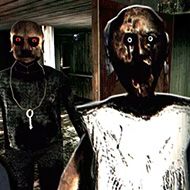

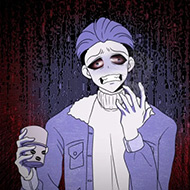


You accept a beer from a stranger at a bar in Boyfriend To Death, and for a few minutes the scene plays like any other dating story beat — right up until Strade’s friendliness curdles into something you can’t walk back from, and the dialogue menu in front of you stops feeling like flavor text and starts feeling like the only thing keeping you alive.
| Genre | Horror dating visual novel |
| Core Mechanic | Branching dialogue, sanity meter |
| Key Character | Strade |
| Structure | Choice-driven routes with multiple outcomes |
The Sanity Meter Is the Real Health Bar
Boyfriend To Death doesn’t track survival through a conventional health system. Instead, a sanity meter drains every time the protagonist witnesses or experiences something traumatic, and once it empties, the result is a full mental breakdown that ends the route rather than a clean game-over screen. That distinction matters because it reframes every dialogue choice — you’re not managing damage, you’re managing how much horror your own character can psychologically absorb before they stop being a reliable narrator of their own situation.
New players tend to treat sanity like a background stat that only matters near the end of a route, and that assumption gets punished hard. Small accumulated stress from earlier scenes with Strade compounds, so a choice that looks safe in isolation can be the one that tips the meter past recovery two scenes later.
Strade: Charm as a Weapon
Strade’s entire design depends on the gap between his introduction and his reveal. He offers a beer, makes easy conversation, reads as the safest character in the room — and the game spends real time letting you believe that before showing what he actually livestreams for an audience. Players who’ve finished multiple routes describe going back to his earliest scenes and rereading every friendly line as a threat they missed the first time, which is a big part of why Strade specifically gets brought up more than almost anything else when people discuss this game.
Dialogue as the Only Combat System in Boyfriend To Death
There’s no action mechanic separate from conversation. Every meaningful decision routes through dialogue options that shift tone, trust, and pacing simultaneously, meaning a line chosen to build trust with Strade might also be read by the story as the wrong emotional register for that specific moment, costing you standing you didn’t know you were spending.
This is where failure and discovery start to blur together as a single process. A wrong read on Strade’s mood doesn’t always end the route immediately — sometimes it just narrows your options going forward, so the consequences of a bad choice surface several scenes later, disguised as a completely different problem.
What Beginners Consistently Miss
The instinct to always pick the “nice” dialogue option is the single biggest early mistake. Boyfriend To Death doesn’t reward kindness as a default strategy, because Strade and the story around him respond to specific emotional accuracy rather than generic pleasantness — a warm response delivered at the wrong moment can read as naive or careless within the fiction, and the sanity meter doesn’t distinguish between a well-intentioned mistake and a careless one.
How Routes Diverge in Boyfriend To Death
Once a route splits, the earlier dialogue choices that seemed minor turn out to have been steering which version of Strade — or which version of the ending — you’re heading toward. Replaying with the specific goal of noticing these branch points is common in community discussion, since the game rarely announces that a fork just happened until well after you’ve already committed to one side of it.
Is the sanity meter visible during dialogue choices?
It’s tracked passively rather than surfaced as a constant on-screen warning, which is deliberate — Boyfriend To Death wants the drain to feel like an accumulating mood rather than a resource you’re actively min-maxing in real time.
Why do players say Strade is scarier on a second playthrough?
Because his early scenes read completely differently once you know what he livestreams. First-time players experience him as charming; replays turn the same dialogue into a countdown, which is why so much community discussion centers on rereading his introduction specifically.
- What’s the biggest mistake new players make? Defaulting to “nice” dialogue choices regardless of context, which the sanity system and Strade’s reactions both punish in different ways.
- Do choices matter immediately or later? Often later — Boyfriend To Death frequently delays the visible consequence of a dialogue choice by several scenes, disguising it as an unrelated development.
What players argue about most, long after finishing a route, is whether Strade counts as a villain or just the sharpest example of the game’s real thesis — that in Boyfriend To Death, charm and danger are never actually separate things, they’re the same read waiting for you to notice which one you’re looking at.