
















Chuchel
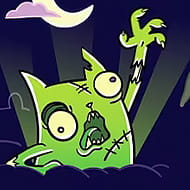








In Chuchel you start with one goal — reach the cherry — and a rival, Kekel, who exists purely to snatch it away the moment you get close. That single-minded chase sounds simple on paper, but each scene reroutes the goal through a completely different physical-comedy puzzle before you ever get to eat anything.
| Genre | Puzzle Adventure |
| Platform | Browser / PC |
| Developer | Amanita Design |
The Cherry, Kekel, and the Shape of Every Chuchel Puzzle
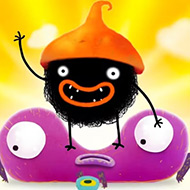
Chuchel’s structure repeats a simple pattern with constant variation: something stands between the fuzzy black protagonist and the cherry he wants, and clicking around the scene reveals the specific, often absurd interaction that clears the way. Kekel, his round rival, doesn’t just block progress passively — he actively interferes, stealing the cherry at the last second often enough that players learn to expect the rug-pull before it happens.
What makes the puzzles work is that Chuchel never explains its logic through text. There’s no dialogue at all — just grunts, squeaks, and expressive animation — so solutions come from observing what’s clickable and experimenting rather than reading instructions. That absence of language is deliberate, and it’s part of why the humor lands the same way regardless of what language the player speaks.
What Beginners Get Wrong in Chuchel
New players often click frantically across a scene looking for the “right” hotspot, when Chuchel usually rewards patience — many of its best jokes only trigger after clicking the same background element multiple times. Rushing through a scene means missing entire secondary animations that exist purely for comedic payoff, not progression.
The other habit worth breaking is assuming failure is punished. Chuchel rarely puts players in a genuine fail state; most “wrong” interactions just produce a funny reaction and let you try again immediately, so there’s little reason to hesitate before experimenting.
What the Community Debates About Chuchel
The point-and-click puzzle logic divides opinion. Some players love that Chuchel trusts them to experiment without hints; others find a handful of scenes obtuse enough that the solution feels more like stumbling into the right click than solving anything deliberately. Both reactions show up constantly whenever the game gets discussed.
Does Chuchel have any dialogue or text at all?
No — the entire game communicates through sound effects, grunts, and animation, which is a deliberate choice by Amanita Design that keeps the humor accessible without any translation.
Is it possible to actually fail or lose progress in Chuchel?
Rarely — most incorrect interactions simply trigger a comedic response rather than a real penalty, which encourages the kind of open experimentation the puzzle design is built around.
Chuchel’s charm comes from how consistently it turns a simple chase for a cherry into a showcase of physical comedy, with Kekel’s interference guaranteeing the goalposts never stay still for long. By the time the credits roll, the actual cherry matters far less than the parade of odd, click-driven jokes it took to get there.