























A Nostalgic Hangout Game






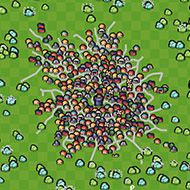




A Nostalgic Hangout Game looks like a simple social space at first glance, but it plays like a deliberate throwback — the kind of low-pressure, chat-and-wander hangout format that older web-based titles leaned on before matchmaking and objectives took over the genre.
| Genre | Social Simulation |
| Platform | Browser |
| Core Loop | Explore, customize, socialize |
Why A Nostalgic Hangout Game Skips Objectives Entirely
There’s no mission list in A Nostalgic Hangout Game, no timer, and no scoreboard pushing players toward a specific outcome. Instead, the space is built around small, repeatable social activities — customizing your avatar, exploring a limited map, and interacting with whoever else happens to be present at the same time. Open-ended social space is the closest description for what the game actually is: less a game with rules and more a shared environment players drop into.
That structure means the experience depends heavily on who else is present at a given time. A Nostalgic Hangout Game with an active, chatty group of players feels completely different from the same map with only a couple of quiet users wandering it — the game itself doesn’t change, but the social layer built on top of it does.
What Beginners Get Wrong in A Nostalgic Hangout Game
New players sometimes expect a clearer goal and leave quickly when they don’t find one, missing the point that A Nostalgic Hangout Game rewards patience rather than objective-chasing. The players who get the most out of it are the ones who treat customization and casual interaction as the actual content, not a placeholder before “real” gameplay starts.
Does A Nostalgic Hangout Game have any competitive or scoring elements?
No — it’s built entirely around social interaction and customization rather than competition, which sets it apart from most browser games that layer some kind of scoring system onto social spaces.
Is A Nostalgic Hangout Game worth playing alone, without other players around?
It’s noticeably quieter without other players present, since the social interaction is the core appeal — exploring and customizing solo still works, but the experience is built around shared presence rather than solo play.
A Nostalgic Hangout Game succeeds precisely by not trying to be more than a shared, low-pressure space — no objectives competing for attention, just customization and whoever else happens to be around at the same time. That restraint is what gives the game its specific throwback feel.