




















99 Nights In The Forest
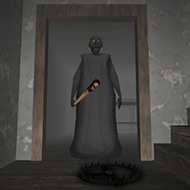
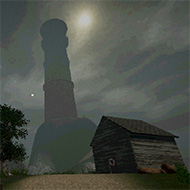

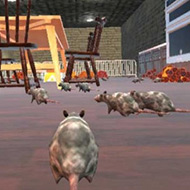

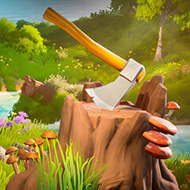
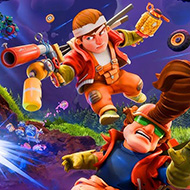







What actually changes between night one and night ninety-nine? Almost everything, which is the whole point of 99 Nights In The Forest — you’re not surviving one long grind, you’re surviving ninety-nine distinct tests that escalate as the woods around your camp turn more hostile the further the count climbs.
| Genre | Survival horror |
| Structure | 99 in-game nights, day/night cycle |
| Core threats | The Deer, Cultists, The Owl |
| Objective | Survive to Night 99 and rescue the four lost kids |
99 Nights In The Forest Counts Down, Not Up
Framing survival as a countdown to Night 99 changes how players plan compared to an endless survival loop. There’s an actual finish line, which means resource stockpiling late in a run has a clear purpose instead of just extending an indefinite grind, and reaching Night 99 is treated by the community as officially beating the game rather than just surviving another cycle.
The Deer, the Owl, and Cultists Behave Nothing Alike
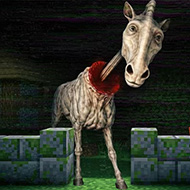
The Deer is what most new players learn to fear first — aggressive, fast in the open, and dangerous to engage without proper preparation. Cultists behave more deliberately, often showing up in numbers that punish a camp with weak perimeter defenses. The Owl adds a different pressure entirely, tied more to vision and awareness than direct confrontation. Learning to tell which one is approaching before it’s on top of you is one of the clearest markers of an experienced player.
- The Deer punishes players caught far from the campfire with no fallback route.
- Cultists reward camps that have invested in defenses over pure resource stockpiling.
- The Owl punishes carelessness with visibility and positioning more than raw combat mistakes.
Why the Campfire Is the Only Safe Zone That Matters
The campfire anchors the entire loop. It’s the one location that reliably keeps most threats at bay, which means every night effectively becomes a countdown to whether you can get back to it in time. Letting the fire go out mid-night is one of the fastest ways a stable run collapses, since the safe zone it provides doesn’t return until it’s relit.
Wood, Stone, and Water: Managing Three Resources at Once
Wood keeps the fire burning and builds fences and tools. Stone feeds crafting upgrades and sturdier structures. Water staves off dehydration, which is easy to ignore until it suddenly isn’t. New players tend to over-focus on one resource — usually wood, since it’s the most immediately visible need — and end up caught out by a water or stone shortage they didn’t see building.
Saving the Four Lost Kids Without Losing the Camp
Rescuing the four lost kids scattered through the forest pulls players away from the safety of the campfire at exactly the moments when leaving is riskiest. Balancing rescue attempts against maintaining camp defenses is one of the more debated parts of a run, since going for a rescue too early can leave a camp exposed to Cultists or The Deer while nobody’s there to respond.
Dusk Is a Warning, Not Just a Lighting Change
Dusk exists specifically to give players a window to wrap up daytime tasks and get back to base — treating it as just an aesthetic shift instead of a hard deadline is a common early mistake. By the time full night hits, visibility drops sharply and whatever preparation didn’t happen during dusk isn’t happening at all.
99 Nights In The Forest’s Base-Building Actually Matters at Night
Fences, tool upgrades, and camp layout aren’t cosmetic — a poorly arranged camp gives Cultists easier approach angles, and weak fencing does little against a determined push from The Deer. Base-building decisions made during a calm daytime stretch directly determine how survivable the following night actually is.
What happens if the campfire goes out at night?
The safe zone it provides disappears until it’s relit, leaving whoever’s at camp exposed to whatever threat happens to be nearby at that moment.
Do The Deer, Cultists, and The Owl appear every night?
Not with equal frequency — later nights escalate threat density and combine multiple enemy types in ways earlier nights don’t, which is part of why Night 99 feels earned rather than arbitrary.
Is rescuing all four lost kids required to reach Night 99?
It isn’t strictly required to survive to the final night, but skipping rescues means missing part of what the run is actually built around, and most players treat it as an unofficial requirement for a full completion.
99 Nights In The Forest earns its tension by making the campfire feel genuinely precious — every trip out to rescue one of the lost kids or gather stone is a trade against the safety that fire represents, and by the time The Deer is circling camp on a late night, that trade-off is the whole game.