

























Mother’s Care
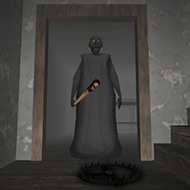






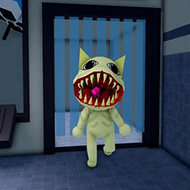





In Mother’s Care you start the winter already down to scraps, five siblings sharing a house with a mother who is supposed to keep you fed — and the fear here isn’t that she’ll fail to. It’s that she won’t stop at feeding you.
| Genre | Horror, survival |
| Setting | Snowed-in household, single harsh winter |
| Playable Siblings | Ryokan, Koyuryn, Laryn, Rynette, Kohorin |
| Antagonist | Hachiko, the mother |
Five Siblings, One Shrinking House in Mother’s Care
Ryokan, Koyuryn, Laryn, Rynette, and Kohorin don’t function as interchangeable survivors. Each sibling notices different warning signs before Hachiko’s nightly rounds start, and players quickly learn that ignoring one sibling’s routine to focus on another’s is how someone ends up dragged off before the night is over. The scarce food that opens the game isn’t just flavor text either — hunger pressure is what pushes Hachiko toward her children in the first place, and managing it wrong accelerates exactly the threat you’re trying to avoid.
What makes the setup land is how ordinary it looks before it turns. Hachiko spends the early stretch of any given night behaving like an overwhelmed parent rationing food during a bad winter, and the game lets that read sit long enough that her first real turn toward one of the siblings feels like a betrayal rather than a jump scare.
Reading Hachiko Before She Reads You
Hachiko’s behavior shifts based on which sibling she’s focused on that night, and players who assume her patrol is random get caught fastest. Once you notice she tends to circle back to whichever sibling was most recently alone, the winter stops feeling like blind survival and starts feeling like a pattern you can actually work against — right up until scarcity forces a mistake anyway.
What New Mother’s Care Players Get Wrong
The most common failure isn’t poor hiding, it’s poor food management early on. Players who burn through supplies quickly to avoid short-term risk find that Hachiko’s aggression scales with how strained the household gets, which means the safest-feeling choice on night one often creates the exact desperation that gets Rynette or Kohorin caught by night three.
Do all five siblings play differently?
Yes — Ryokan, Koyuryn, Laryn, Rynette, and Kohorin each notice different cues before Hachiko closes in, so a strategy built around one sibling’s routine doesn’t transfer cleanly to another.
Does managing food actually change how dangerous Hachiko becomes?
It does. Scarcity is tied directly to her aggression, so rationing carelessly in the early nights makes the later nights measurably harder rather than easier.
- Watch which sibling was left alone most recently — Hachiko’s rounds tend to circle back to them first
- Ration food deliberately rather than reactively; short-term relief raises long-term risk
- Treat the first calm-seeming night as observation time, not safety — Hachiko’s patterns are easiest to learn before she turns
By the time the last of the winter nights closes in, Mother’s Care isn’t really asking whether Ryokan, Koyuryn, Laryn, Rynette, and Kohorin can survive Hachiko — it’s asking whether the household could have survived the winter at all, with or without her.