

















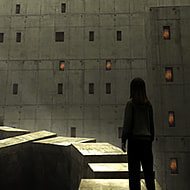






PEXIT 8













One detail out of place is all it takes to send you back to the start in PEXIT 8. Nothing about the corridor looks obviously wrong at first glance, which is exactly the point of the anomaly-spotting genre this game belongs to, and exactly why so many players have lost real time to titles built around the same premise.
PEXIT 8 Runs on the Same Loop as the Exit-8-Style Genre
The format PEXIT 8 draws from asks something deceptively simple: walk the same stretch of space repeatedly, compare each pass against your memory of the last one, and find whichever detail has quietly shifted before continuing forward. Get it wrong, and the loop resets, sending you back through the same corridor to try again with slightly sharper attention.
What makes this format hold up across dozens of similar releases is how little it needs to work. There’s no combat, no inventory, no dialogue tree, just observation under mild pressure, and PEXIT 8 keeps that formula intact rather than layering extra systems on top of it.
Why PEXIT 8’s Small, Quiet Changes Land Harder Than Jump Scares
The tension in PEXIT 8 comes from doubt rather than shock. A sign that’s slightly different, a light that wasn’t flickering last time, a door standing open when it should be closed, these are the kinds of details the genre trades in, and PEXIT 8 leans on that same restraint rather than reaching for a scripted jolt to keep players on edge.
That restraint is also where community opinion splits. Players who enjoy the genre’s slow-burn attention games tend to find PEXIT 8 a solid, focused entry, precisely because it doesn’t try to reinvent a formula that already works. Others who’ve played several similar titles back to back find the lack of a distinguishing hook here means it blends into the wider pool of anomaly-spotting games rather than standing apart from it.
New players to the genre tend to fare worse on their first attempt than veterans who already know to slow down and treat every pass through the loop as a fresh comparison rather than a repeat. Rushing tends to be the actual failure point in PEXIT 8, not the difficulty of any individual change, since most of what shifts between loops is small enough to miss entirely at a normal walking pace. Taking the loop slower, and treating a reset as information rather than a punishment, is generally the fastest way to actually improve at spotting what’s wrong.
Either way, if the loop-and-spot-the-difference format is what you’re after, PEXIT 8 delivers that experience honestly, without padding it out with mechanics the genre doesn’t need.