
















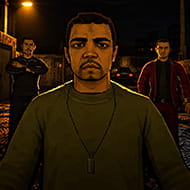



Granny’s House


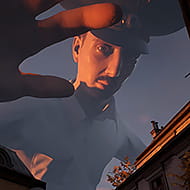







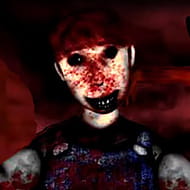


What happens when four survivors get thrown into a house with sixteen pursuers hunting them at once? That’s the exact ratio Granny’s House builds its signature Hide and Seek mode around, and it changes the entire rhythm of how a match plays out compared to a typical one-hunter horror format.
Mode Variety Beyond the Core Chase
Granny’s House splits its multiplayer structure across several distinct formats rather than repeating the same chase loop under different names. Hide and Seek runs at four survivors against sixteen pursuers, with survivors disguising themselves as objects scattered around the house and pursuers winning only by finding every single one before time runs out. Escape mode flips the ratio entirely — two pursuers against six survivors, with survivors needing to cooperate and reach an exit within a set time limit while the pursuers try to catch or stall them. A variant called Escape (Item) layers skills and items on top of that same 2v6 structure, adding strategic options beyond pure movement and hiding.
Story mode takes a different shape entirely, built as PvE teamplay where players form a group with different assigned roles to fight through enemies and uncover the narrative hidden inside the house. Great Escape follows a similar PvE structure but leans harder on combining character skills to clear enemies faster and reach the exit. Occupation mode shifts the format again into 4v4 team combat centered on holding three control points, while Infection turns captured survivors into pursuers themselves, spreading the threat outward as a match progresses rather than keeping the hunter count fixed.
Souls, Customization, and the Seven-Day Item Limit
Progress in Granny’s House ties into a currency called souls, spent on character spawns, trails, and cosmetic accessories in the in-game store. A specific point of friction shows up repeatedly in player feedback: most purchasable items, aside from the small set of default options, are locked to a seven-day duration rather than being permanent unlocks, which several players have flagged as feeling restrictive compared to games where earned cosmetics stay unlocked indefinitely. Players can select a boy or girl character model and customize further through collected gear, with a Craft mode available separately for building an entirely custom version of the house, map layout and rule variations included.
A Metaverse Square exists as the game’s social hub, where players open gift boxes and treasure chests, chase bounty rewards by tracking down a specific Mine Robber character, and generally interact with others outside of an active match.
- Hide and Seek: 4 survivors versus 16 pursuers, disguised as objects
- Escape and Escape (Item): 2 pursuers versus 6 survivors within a time limit
- Occupation: 4v4 team combat centered on three control points
Frequently Asked Questions
How does Hide and Seek mode work in Granny’s House? Four survivors disguise themselves as in-game objects while sixteen pursuers search the house, with pursuers winning only by locating every hidden survivor before time expires.
Are cosmetic items in Granny’s House permanent once purchased? Mostly no — aside from a handful of default items, most purchases using souls are limited to a seven-day duration, a structure some players have criticized as restrictive.
What’s the difference between Escape and Great Escape modes? Escape is a 2v6 pursuer-versus-survivor format built around reaching an exit within a time limit, while Great Escape is PvE, focused on combining character skills to defeat enemies and clear the house cooperatively.
With modes ranging from the sixteen-pursuer chaos of Hide and Seek down to the more methodical PvE structure of Story mode, Granny’s House spreads its horror premise across enough distinct formats that no two sessions inside the house necessarily play out the same way.