















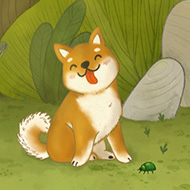
Having fun, Mochi?





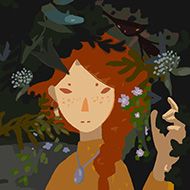




What happens when a mischievous Shiba Inu pup wanders further from home than he ever has before? That's the question Having fun, Mochi? builds its hand-drawn, watercolor world around, starting in a ceramics shop and ending somewhere much stranger.
| Genre | Narrative hidden object |
| Art Style | Hand-drawn, watercolor |
| Controls | Click to interact, hold to pan, scroll to zoom |
| Setting | A ceramics shop leading into an unfamiliar forest |
Meeting Mochi Before the Forest Ever Shows Up
Having fun, Mochi? opens small: a ceramics shop where Mochi's owner keeps a patient, watchful eye on a dog who treats every fragile shelf as a personal invitation. Before any searching starts, the game spends its first minutes establishing why Mochi's habit of chasing anything interesting is a problem.
Beginners tend to rush this opening, clicking through the shop looking for objects the way they would in a more conventional hidden object game. Having fun, Mochi? rewards the opposite here, since the shop scene does quiet narrative work that pays off once Mochi ends up somewhere he's never been.
What players notice is how much personality comes through with no dialogue box driving the plot. Mochi's posture, the owner's exhausted patience, and the shop's cluttered shelves communicate the relationship before the forest ever becomes the setting.
Searching the Forest Scenes in Having fun, Mochi?
Once Mochi runs further than usual and lands in unfamiliar woods, the searching becomes the main event, and the forest scenes ask for different attention than the shop did. Objects blend into watercolor foliage rather than sitting in obvious contrast, so scanning quickly tends to miss things a slower pass catches.
The panning and zoom controls matter more here than in the shop. Holding to pan across a wider scene and zooming into denser clusters of detail is how most hidden items reveal themselves, and players who stick to one fixed view miss a noticeable portion of what's findable.
A few habits carry over well once the forest scenes start layering more detail:
- Pan across the full width of a scene before assuming it's fully searched.
- Zoom into dense foliage clusters rather than trusting the default view.
- Revisit brighter, open patches last, since shading tends to hide items in shadowed corners first.
Difficulty in Having fun, Mochi? climbs gradually rather than spiking, with each new forest scene layering slightly denser detail than the one before it. What looked like plain background texture in the shop now hides objects just as deliberately placed as anything sitting out in the open.
What Makes Mochi Worth Following Through the Forest
Players drawn to cozy, low-stakes games single out Mochi himself as a big reason Having fun, Mochi? works. His mischief reads as genuinely playful rather than cartoonish chaos, and that tone carries through even once the setting shifts from a familiar shop to unfamiliar trees.
Completionists exploring every corner of a scene get real payoff, since the watercolor forest hides its objects thoroughly enough that a careless pass leaves things behind. Players who prefer a slower, atmosphere-first pace get something different out of the same scenes, since no timer pushes a faster search.
One thing players occasionally flag as a rough edge is the pacing between the emotional setup in the shop and the shift into pure object-hunting once the forest starts, a small tonal jump not every player finds as smooth as the rest of the game manages.
Common Questions About Having fun, Mochi?
- Is Having fun, Mochi? hard to find items in? Not especially, though the watercolor style hides objects in foliage more effectively than a typical hidden object game. Early shop scenes are gentler, while later forest scenes ask for careful panning and zooming.
- Do you play as Mochi or his owner? The perspective follows Mochi's mischief and its consequences rather than placing you directly in control of him as a character to move around, searching the scenes his curiosity leads him into.
- How long is Having fun, Mochi?? It's a short, self-contained story rather than an ongoing game, with the shop and forest scenes together forming a complete arc from Mochi's mischief to wherever the forest leads.
Having fun, Mochi? earns its charm from small choices, like letting the ceramics shop breathe before the forest ever appears. Mochi's curiosity feels like a real personality throughout, rather than an excuse to draw a cute dog on the title screen.