




















Vilmonic







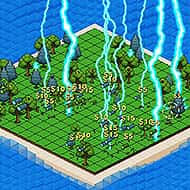




You breed two animatroids, and the next generation shows up with a slightly different body, because the genes that bend their internal bones were passed down with a chance of mutation. That small shift is the heart of Vilmonic, an artificial life simulator and genetics sandbox where pixels and color have meaning. Behind the super cute pixel-art look sits a deep system that rewards patience and curiosity.
| Genre | Artificial life simulator, genetics and evolution sandbox |
| Life forms | Animatroids and fungols |
| Threat | Haywire zombitons |
| Goal | Bring life back from the brink of extinction |
| Mode | Single-player |
Pixels With Meaning: How Vilmonic Builds a Creature
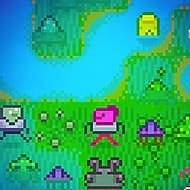
Every creature’s pixel-art body comes from its genetic code. The genes control the bending of internal bones or branches, and pixels cover them to form the shape of an animatroid or a fungol. What you see on screen is not a random sprite but the visible result of a genetic recipe.
That body shape then determines how the creature lives. The shape and the number of different pixels set its physiology, including hydration, nutrient use, movement and perception. In other words, a creature’s looks and its abilities are the same thing in Vilmonic.
Size comes with a cost. A larger life form has more pixels, so it needs more hydration and nutrients every metabolic cycle, at a rate set by the metabo gene. Surface area matters too, since a more wrinkled body evaporates more hydration. A common beginner mistake is breeding for big bodies without checking whether the food and water supply can keep up.
Brains are simple but surprisingly expressive. They are graph-shaped, with external sensors for motion, scent and water, and internal sensors for hunger, stress and thirst. Attraction and repulsion between those sensors create behaviors like fear, aggression and attraction, so you can watch personality emerge from simple rules.
Breeding, Mutation and the Sugary Drink Shortcut
Natural selection and breeding are the main ways your life forms change. The genetic code is passed to offspring with a chance of mutation, and over many generations your animatroids and fungols evolve into new species. After a few generations you start to notice patterns in which traits survive.
Evolution is slow, and the game says so openly. If you want to nudge it, there are a few ways to speed things up.
- Craft and use sugary beverages to push evolution along.
- Use toxic waste, which can cause drastic mutations in offspring but is dangerous.
- Try genetic engineering if you are willing to cheat the natural process.
You can also export your creatures as cards and share them with friends, which turns a private experiment into a community hobby. Press coverage has noted that some players treat Vilmonic like real science, keeping notes and building on each other’s discoveries.
Players who love tinkering will enjoy the toxic waste gamble, while patient breeders can treat each lineage as a long project. Anyone expecting instant results will be disappointed.
Crafting, Ancient Tech and Haywire Zombitons
Beyond breeding, you craft tools, construct buildings and change the environment. This is what separates the game from a pure genetics toy, because you are building a habitat as well as a species. Farming and crafting give you the means to shape the conditions your creatures live in.
Once you start digging up ancient tech, the world’s past comes into view. The page promises secrets to uncover, and that discovery loop gives you something to chase between breeding cycles. It adds a sense of archaeology to a sandbox that could otherwise feel purely biological.
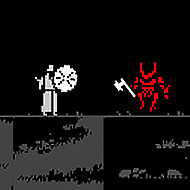
The danger comes from the haywire zombitons, mindless creatures you have to fend off. They give the quiet breeding loop a source of pressure, and protecting your life forms from them is part of the job. Without them, the world would be a calm lab with no stakes.
The goal is to bring life back from the brink of extinction, which gives all of this a clear purpose. Every cycle of breeding, crafting and defending serves that single mission.
What Divides Players About Vilmonic
The cute look is deliberately misleading, and that is both the draw and the problem. The page warns not to be fooled, since the game is a deep and complex simulator. Players who expect a relaxed pet collector may feel overwhelmed by genes, metabolism and surface area.
Reviews reflect that split. The score is Mostly Positive, with 70 percent of 68 user reviews positive, which suggests most players enjoy it while a meaningful minority bounces off the slow pace and the learning curve.
Evolution being slow is the most common sticking point. If you want fast feedback, waiting through generations can feel like a grind, and the shortcuts only partly fix that. Patience is the price of entry.
Completionists get extra structure from the 38 Steam achievements, which give you milestones to work toward. Overall, it works best for players who enjoy watching a system grow rather than racing through it.
Vilmonic Questions Before You Breed Your First Animatroid
- How do you speed up evolution in Vilmonic? You can craft and drink sugary beverages, which push evolution along, or use toxic waste to cause drastic mutations in offspring. Genetic engineering is also available as a cheat if you do not want to wait for natural selection.
- What are zombitons in Vilmonic? Haywire zombitons are mindless creatures that you must fend off while protecting your animatroids and fungols. They add pressure to a game that would otherwise be a calm breeding lab.
- Can you share creatures you breed in Vilmonic? Yes, you can export your creatures as cards and share them with friends. The cards carry the creature’s genetic code, so be careful about editing it.
Vilmonic rewards players who treat animatroids and fungols like a long-term experiment. Breeding for traits, watching the metabo gene shape appetite, managing hydration and fending off haywire zombitons all feed into the mission of bringing life back from the brink. If a pixel-art science sandbox sounds like your idea of a good time, this game will keep you busy for a long time.