



















It’s Fine

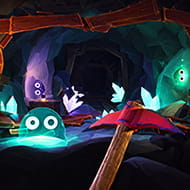


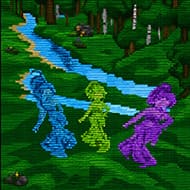


You tap out a few lines of code, glance up, and find Joe watching the progress bar with the calm stare of a Project Manager who has no intention of accepting excuses. That is the mood of It’s Fine, an idle and incremental game about surviving the final 24 hours of dev crunch while turning a pile of unfinished work into something stable enough to ship. Joe is a dog, the deadline is not negotiable, and the upgrades pile up faster than the sleep.
| Genre | Idle and incremental |
| Setting | The final 24 hours of dev crunch |
| Boss | Joe, a demanding dog and Project Manager |
| Meta currency | Sleephours |
| Meta upgrades | The Dreamtree |
| Extras | Secrets, challenges, alternate endings |
Surviving the Final 24 Hours in It’s Fine
The loop is easy to state: code, upgrade, and prestige your way toward something stable under Joe’s watchful eye. What makes the game different from a plain numbers climb is that progression brings new effects, not just bigger values. Every station has its own resources and mechanics, and they evolve as you grow.
Early in the game, every upgrade still feels like a victory.
Newcomers often treat the opening as a single button to keep pressing, but the real work is learning each station before moving on. Idle veterans will recognize the pattern right away, yet the game keeps surprising them by changing what a station does rather than just how fast it runs.
Joe, Your Demanding Project Manager
Joe is the personality of the whole game. He is your dog, he is also your Project Manager, and he is demanding in a way that turns every minute of crunch into a joke about deadlines. His catchphrase is a calm reminder not to panic, which is exactly the kind of advice that makes you panic.
The humor leans on the culture of making games. Marketing needs wishlists, the game must be stable on time, and sleep is a currency you never have enough of. Anyone who has worked in indie development will recognize the pain behind the gags.
That framing gives the idle loop a reason to exist. You are not just watching numbers rise, you are racing a clock toward a delivery that a very small dog cares about a great deal.
Stations, Resources, and Mechanics That Evolve in It’s Fine
Each station feels like its own tiny game. The examples on the store page show how far the variety goes:
- A botfarm that generates wishlists for your marketing team.
- A legendary Voodoo Kraken you have to tame.
- Peanut, a squirrel who generates clean energy.
Peanut is the clearest example of evolving mechanics. He starts as a source of clean energy, but once he evolves he begins shooting lightning all over the room, and a helpful resource turns into something you have to manage carefully.
By the time a station changes its rules, the best habit is to stop and read what is new instead of repeating the old routine. Players who skim past those moments tend to feel stalled, while those who adapt feel the game opening up.
Sleephours and the Dreamtree Prestige Loop in It’s Fine
Prestige here is built around sleep. You earn Sleephours, which the game calls the most valuable currency an indie dev can have, and spend them in the Dreamtree to unlock permanent meta-upgrades, new mechanics, and special effects that persist across your runs.
The prestige system is described as multi-layered, and the game teases that a good night’s sleep is not always enough to deliver on time. What comes after that is left for players to discover, which is a deliberate choice and part of the appeal.
Prestige-heavy idlers are always a little divisive. Patient players who love meta-progression will enjoy each reset, while others may feel the repetition. Because the Dreamtree keeps adding mechanics rather than only multipliers, the resets tend to feel like new chapters, but your tolerance for starting over will decide how you feel.
Secrets, Challenges, and Alternate Endings
Beyond the main run, the game offers challenges that set the room on fire and unlock special effects, hidden secrets to dig for, and alternate endings to uncover. The description encourages you to beat all of the alternate endings, which gives completionists a clear long-term goal.
Presentation is a selling point too. The developers state that the art is drawn and placed by hand with no AI art, that the music is composed by a person, and that the game is fully voiced. For players who care about how a game is made, that is a clear commitment.
The ending hunt is where the satire pays off. Failing to deliver on time is one outcome among several, and the alternate endings turn crunch itself into the punchline.
Questions Before You Start Crunching in It’s Fine
- What are Sleephours in It’s Fine? Sleephours are the prestige currency you earn by sleeping, and the game treats them as the most valuable resource an indie dev can have. You spend them in the Dreamtree to unlock permanent meta-upgrades, new mechanics, and special effects that last across runs.
- What does Peanut do? Peanut is a squirrel who generates clean energy at first. Once he evolves, he starts shooting lightning all over the room, which changes the station from a safe source of power into something you need to handle.
- Are there multiple endings? Yes, the game promises alternate endings that you can uncover, along with hidden secrets and challenges that set the room on fire. Beating all of the alternate endings is a stated goal for players who want to see everything Joe has in store.
It’s Fine works because it makes crunch funny without making it hollow: Joe’s stare, Peanut’s lightning, a Voodoo Kraken that needs taming, and Sleephours that never seem to be enough. Keep climbing the Dreamtree, watch what every station turns into, and see how many ways a deadline can end.