












Heroes of the Seven Islands


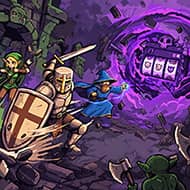



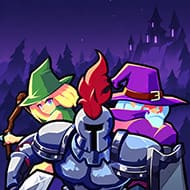

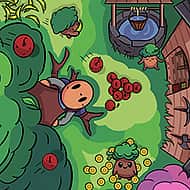
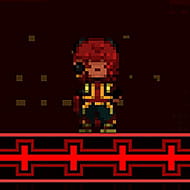

Heroes of the Seven Islands looks like a doodle from the back of a school notebook, yet it plays like a proper party-based RPG from the golden age of Might and Magic. That mismatch is the whole point. Pencil-rough characters wander through a comic-book world, and behind the silliness sits a quest that expects you to explore, talk to everyone and think about your group of four.
| Genre | Party-based RPG with point-and-click exploration |
| Combat | Turn-based and fast |
| Setting | Émeyralia and the Emerald Archipelago |
| Main goal | Collect seven keys from seven rulers to reach the Oracle |
| First playthrough | Roughly 7 to 12 hours |
The Hand-Drawn Look of Heroes of the Seven Islands
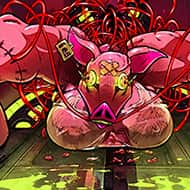
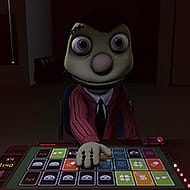
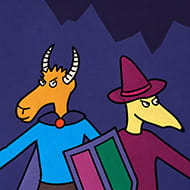
Every background and sprite started on paper, was scanned, then coloured and animated digitally, and that origin shows in every scene. The 267 hand-drawn backgrounds read like panels from a Franco-Belgian comic, and the anthropomorphic cast gives Émeyralia a storybook tone that never takes itself too seriously. The rough drawing is part of the pitch rather than an accident, and the humour grows straight out of it.
Not everyone warms to the look. Some players see the wobbly lines and assume corners were cut, while others call the art weirdly charming and cosy. The reaction splits quickly, which is why the demo is the fastest way to learn which camp you belong to.
Fans of retro CRPG design will feel at home straight away, because the flow of scenes and the click-to-interact exploration follow the classics that inspired the adventure. Readers of old comic albums get a different reward, since the tribute to Franco-Belgian comics is visible in the framing of many scenes. The tone sits somewhere between comfy and mischievous, and that balance carries through the whole game.
Furax the Indestructible and the Hunt for Seven Keys
The story begins when Furax the Indestructible, a fleshless carcass with no soul, arrives through an inter-dimensional rift and sets out to spread sadness and despair. His influence grows every day, disciples gather around him, and Nightmare Creatures start showing up on every continent. For a world this bright, the villain is gloriously bleak.
According to the prophecy, only the Oracle can stop him, and the Oracle retired centuries ago. Finding that retired hero means collecting seven keys, one from each of the seven rulers of the Emerald Archipelago. Four heroes are chosen for the errand. Early in the game the list of seven looks daunting, but every island narrows the goal to a single ruler and a single key, which keeps the journey manageable.
The contrast between Furax’s gloom and the comic-book colours gives the writing room for jokes while the Nightmare Creatures keep the stakes real. Once the first key is in your pack, the pattern of the quest becomes clear, and the main story settles into a steady rhythm of reaching an island, exploring it and moving on.
Turn-Based Combat and Party Choices in Heroes of the Seven Islands
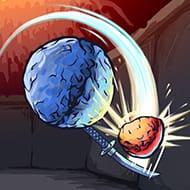
Battles are turn-based, yet the system is designed to move fast, so fights against Nightmare Creatures do not drag even though there is depth to manage. You command four heroes at once, which means decisions are about the whole group rather than a single protagonist. Tactical players tend to enjoy this layer most, since a well-balanced party handles trouble better than four similar fighters.
The mistakes beginners make are rarely about button presses. They come from habits carried over from linear RPGs, where the game pushes you toward the next marker. Here nothing pushes you, and three habits cause most of the early trouble:
- Rushing toward a ruler and skipping the side quests that fill the map.
- Treating the four heroes as interchangeable instead of a team with different strengths.
- Walking into a dungeon without checking what the open world has already offered.
Difficulty follows the old-school pattern summed up by the phrase comfy yet challenging. If the classics that inspired the adventure are any guide, wandering into a tough area teaches a lesson quickly, and the cure is usually more exploration elsewhere. Completionists get the most out of that loop, because the open map rewards patience.
Non-Linear Exploration Across the Emerald Archipelago
Exploration is point-and-click, and the world is split into seven biomes full of villages, cities, forests, caves and dungeons. You can follow the main quest toward the Oracle or wander off and start side stories, and that open structure is a big part of what makes the adventure feel like an old CRPG rather than a corridor. Players who like to poke into every corner will find plenty of reasons to stay.
A simple routine works on each new island, and it matches how the world is organised around the seven rulers:
- Walk through the village and talk to every resident before leaving.
- Pick up side quests while the surrounding area is still safe.
- Head for the ruler only when the map feels properly explored.
Once the fourth key is in your pack you are past the halfway point of the main quest, and the map has stopped feeling like a pile of unknown places. The demo gives a taste of this rhythm across the first two islands, which makes it a useful test before you commit to the full trip.
Length, Pace and What Divides Players
A first playthrough lasts roughly seven to twelve hours, which makes this a mid-sized adventure rather than a sprawling marathon. Some players love that it respects their time, while others wish the world were larger given how rich the inspiration looks. Both reactions are fair, and neither is a surprise for a hand-drawn project of this scale.
The other debate centres on pacing. The click-and-explore style asks for patience, and players raised on fast action RPGs sometimes read that as slowness. Community talk keeps returning to the same words: CRPG, party-based, comfy and, depending on the day, rough.
One detail only shows up once you linger: stop in a new village and you can still see the pencil lines beneath the colour, a texture no polished engine would produce. It is the kind of moment that explains why the rough art divides people and why others defend it so loudly.
Questions Players Ask Before Starting Heroes of the Seven Islands
How long does a first playthrough take?
Plan for roughly seven to twelve hours. Following only the main quest toward the Oracle sits near the shorter end, while the side stories scattered across the Emerald Archipelago push the total up.
Is there a demo, and what does it cover?
Yes, there is a demo, and it covers the first two islands. That is enough to test the point-and-click exploration, the fast turn-based battles and the hand-drawn art before you decide whether Furax and his Nightmare Creatures are worth chasing.
Is it close to the Might and Magic series?
It takes direct inspiration from Might and Magic 3 to 8, mostly in its party of four heroes and its open, quest-driven structure. The adventure is smaller and lighter in tone, trading grim seriousness for comic-book humour.
Heroes of the Seven Islands works best for players who enjoy gathering seven keys at their own pace, arguing with themselves about which island to visit next and slowly learning how four heroes handle Furax’s Nightmare Creatures as a team. It is rough on purpose, and the pencil-drawn charm is exactly what makes the road to the Oracle memorable.