




















Late Order





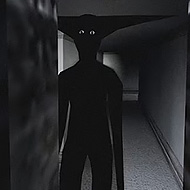







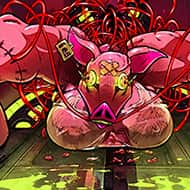
Ol’Jerry in Late Order does not behave like a normal restaurant mascot, because a bizarre monster sits inside that body, watches every step you take and dictates the rules of your shift. That is the whole pitch of a night job at a cursed 24/7 diner, and it sets the tone before you have flipped a single burger.
| Genre | Supernatural horror with cooking and time management |
| Perspective | First-person 3D with a retro look |
| Mode | Single-player |
| Setting | A cursed diner that never closes, played in night shifts |
| Core loop | Take orders at a terminal, cook burgers, follow the nightly rules, survive until dawn |
Night Shifts at a Cursed Diner in Late Order
You take a mundane job, and the first night shift turns it into a nightmare. The goal is simple to state and hard to guarantee: get through the shift, follow the rules and reach dawn. The diner runs around the clock, so there is never a quiet stretch where nothing is expected of you. Horror fans who like their scares to grow out of ordinary routine will recognize the appeal immediately. What makes the setup work is that the fear lives inside the job instead of outside it.
Your first night is mostly about learning where everything is. Orders arrive, you cook, you serve, and the mascot watches while you fumble. It is that early calm that makes the later nights feel heavier.
The store page promises full immersion into the work of a fast-food employee, and the game commits to it. The monster is not the only pressure in the room, since the orders themselves are a pressure in their own right.
Taking Orders on the Terminal and Cooking Burgers
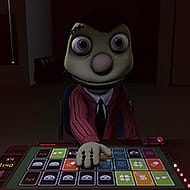
Orders come through a fully interactive terminal, and you cook burgers according to recipes and the guests’ whims. That last word matters, because a recipe tells you the base and a whim tells you where the trap is. Time-management fans will feel at home with the juggling, since each burger asks for attention while the next order is already waiting. The skill is less about raw speed than about reading what a guest actually asked for.
A rushed burger with the wrong ingredient is the classic beginner error. The game wants accuracy first and speed second, and the punishment for a mixed-up order is not just a bad mood at the counter.
There is also room to build your own system. The store page describes the work process as something you organize yourself, so two players can tackle the same night in different ways. Some stage their ingredients early, while others react order by order and trust their reflexes.
New Rules Every Night and How to Follow Them
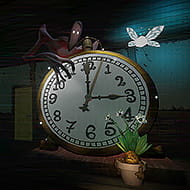
Every night brings new rules and unsettling events, and the store pitch is blunt about the stakes: follow them or become the monster’s dinner. The rules are the heart of the game, because they change what a safe shift looks like. By the time several nights have passed, you carry a mental checklist that has to run quietly alongside the cooking. Players who love rule-based horror will enjoy that the dread comes from remembering, not from running.
A few habits keep a shift under control:
- Read each night’s rules before taking the first order
- Keep the rules in mind while cooking, not only when something strange happens
- Treat unsettling events as part of the shift instead of a reason to stop working
The rules reset the puzzle every night, so a routine that worked yesterday can become a liability. That is the source of the game’s tension and also of its frustration. Constant adaptation is thrilling for some players and tiring for others.
Ol’Jerry and the Cost of a Mistake
Ol’Jerry is the face of the diner and the source of its menace. The store page tells you not to annoy the bizarre monster in the mascot’s body, and it warns that Ol’Jerry will not be pleased by errors. Once a mistake lands, the mood of the shift changes.
What stands out is how the monster stays in the background until you give it a reason. It observes, it waits, and it lets the rules do most of the scaring. The dread comes from the possibility of failure rather than from constant pursuit.
Failure carries a clear price, since the restaurant may get another employee. Whether that fits a short, repeatable loop or feels too punishing depends on your patience. The choices matter and nonlinear tags suggest your decisions shape what happens, which softens the sting.
Finding Your Own Rhythm Behind the Counter
Time management is the quiet engine under the horror. You are juggling orders, recipes and rules, and the pressure rises when they overlap. Early in the game it is tempting to treat each task separately, but the shift rewards anyone who can see the whole counter at once.
The common mistake is tunnel vision on the terminal. Staring at the screen means missing what the diner is doing around you, and unsettling events are easy to overlook if you never look up. A glance at the room now and then is not wasted time.
Retro, stylized visuals keep the diner readable at a glance, which matters in a game that punishes errors. Mystery and interactive fiction tags also hint at a story to piece together as the nights pass. That gives the routine a reason to continue beyond survival.
Why Late Order Divides Players
Early reviews on the store page are mixed, with roughly 62 percent positive across the first 16 reviews. That number does not tell you what went wrong or right, but it does tell you the formula is not for everybody. Combining cooking, time pressure and rule-based horror is ambitious, and ambition often splits an audience.
The split likely comes down to expectations. Someone looking for pure scares may find the cooking too busy, while someone looking for a cozy management loop may find the monster too intrusive. The honest answer is that Late Order sits between the two, and where it feels right depends on which side you lean toward.
If the premise appeals, treat the first shift as a trial. Learn the terminal, learn the recipes and see whether the rule system grabs you. The nightly structure makes it easy to pause and decide whether you want another shift.
Late Order Questions Before Your First Shift
These three questions cover what most newcomers want to know.
- How do the nightly rules work in Late Order? Every night brings a new set of rules and unsettling events, and you have to follow them while cooking and serving. Ignoring a rule is how you end up as the monster’s dinner. Reading the rules before your first order is the simplest way to stay alive.
- What happens if you make a mistake? Ol’Jerry, the monster in the mascot’s body, is waiting for exactly that, and the restaurant may get another employee. Mistakes with orders and broken rules both put you at risk, so watch the terminal and the rules together.
- Does Late Order have multiple endings? The tags list choices matter and nonlinear, and the store page says you find your own way to organize the work process. That suggests two players can approach the same night differently. Exactly how many outcomes exist is best discovered by playing.
Late Order works best when you accept that the burger is never just a burger. Learn the terminal, respect the nightly rules and keep an eye on Ol’Jerry, because dawn only arrives for the employee who treats every order like it matters. If you want horror built out of routine and rules, one shift behind that counter will tell you quickly whether the diner has your name on its list.