














Hachishakusama
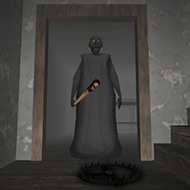
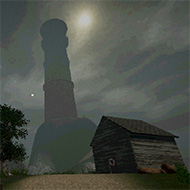


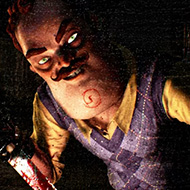
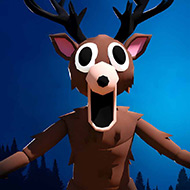


What happens when a childhood urban legend decides it likes you? Hachishakusama answers that with a summer vacation gone strange: a young boy named Saku gets left in the rural village of Kibuse with his grandfather, and somewhere between running errands and exploring the countryside, he catches the attention of the eight-foot-tall figure the game is named after.
| Genre | Adventure horror with dating-sim and chase elements |
| Protagonist | Saku, a young boy |
| Setting | The rural village of Kibuse |
| Antagonist | Hachishakusama, an eight-foot-tall figure |
A Summer That Starts Quiet in Kibuse
Saku’s father drops him off in Kibuse and promises to come back for him, which leaves the boy alone with his grandfather for the stretch of story Hachishakusama actually plays out. Early sections are deliberately gentle: you run errands around the village, talk to the people who live there, and get to know a girl you meet along the way. Nothing about this opening reads as dangerous, which is exactly the tone shift the game is building toward.
Beginners sometimes rush through these early errands expecting the horror to start immediately, but slowing down matters here. Conversations with Saku’s grandfather and the girl in the village seed details about Kibuse’s history that make Hachishakusama’s later behavior easier to read instead of feeling random.
The countryside itself changes with the time of day, and the ambient sound design — birds, wind, distant village noise — does a lot of work establishing normalcy before that normalcy gets disrupted.
When Hachishakusama Starts Watching
The first encounters with Hachishakusama are close to harmless. She watches Saku from a distance while he works through his chores, and the game frames this early attention as unsettling rather than immediately threatening. That framing is part of what makes Hachishakusama stand out in the horror genre — the game plays the affection angle for real instead of treating it purely as a monster reveal.
Once Saku makes it clear he doesn’t want the attention, her behavior escalates. The tone shifts from quiet observation to active pursuit, and that turn is where most of the game’s actual tension lives.
Hide, Run, and the Village That Turns Against You
Once Hachishakusama decides to chase you, Kibuse stops behaving like a normal village. The sky shifts to red, concrete walls appear where open paths used to be, and the geography you learned during the calm opening no longer works the way you expect. Escaping isn’t about outrunning her directly — it’s about breaking line of sight and using the village’s altered layout against her.
- Notice environmental cues, like the sky turning red, that signal an active pursuit has started.
- Use nearby cover and structures to break line of sight rather than sprinting in the open.
- Watch for concrete walls or blocked paths that reroute your usual route through Kibuse.
- Find a way to outsmart her positioning instead of relying purely on speed.
- Return to normal exploration once the chase sequence resolves.
New players commonly get caught because they treat the chase like a straight sprint, when reading the shifting village layout is what actually gets you clear. Once you understand that Hachishakusama reacts to sightlines rather than just distance, these sequences become far more manageable.
A Game That Splits Its Tone on Purpose
Hachishakusama leans hard into contrast — cozy countryside chores sitting right next to a yokai encounter that can turn genuinely dark. The game doesn’t shy away from heavier material either; alongside the horror and the chase sequences, it touches on darker story beats that give the “heartwarming yet terrifying” framing real weight rather than treating it as a marketing line.
That tonal whiplash is one of the more debated aspects of the game in player discussions. Some find the shift from cute village-sim chores to genuinely unsettling content jarring, while others consider that exact contrast the whole appeal — it’s what separates Hachishakusama from a straightforward chase horror game.
Story-focused players tend to prioritize dialogue with the grandfather and the girl in the village to catch every narrative thread, while horror-focused players often push through conversations quickly just to trigger the next Hachishakusama encounter sooner.
Multiple Endings and What Changes Them
Saku’s story branches into two distinct endings, shaped by how you respond to Hachishakusama across the summer rather than by a single late-game choice. Community discussion around the game frequently centers on which small decisions actually swing the outcome, since the game doesn’t flag them clearly as they happen.
Completionist players typically run through Kibuse twice just to see both outcomes, comparing notes on which errands or interactions with the girl in the village nudged the story one way or the other.
How many endings does Hachishakusama have?
The game currently offers two distinct endings, shaped by cumulative choices made during Saku’s interactions with Hachishakusama and the villagers rather than by one decision near the finish.
How do you escape Hachishakusama once she starts chasing you?
Break line of sight using Kibuse’s shifting layout instead of trying to outrun her directly — the village adds obstacles like concrete walls during active pursuit, and reading those changes matters more than raw speed.
Is Hachishakusama based on a real urban legend?
Yes — the eight-foot-tall figure draws directly from a Japanese creepypasta legend that circulated online in the early 2000s, and the game builds its story and chase sequences around that same folklore.
By the time Saku’s summer in Kibuse winds down, Hachishakusama has turned a quiet village errand-run into something far heavier, and the eight-foot-tall figure watching from the tree line early on stops being background dressing the moment the sky turns red and she decides to play for real.