


















Reverse T-gotchi
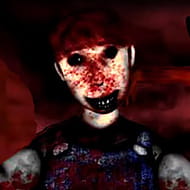
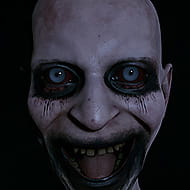

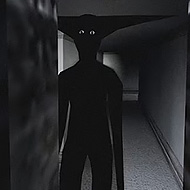
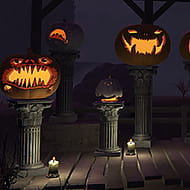


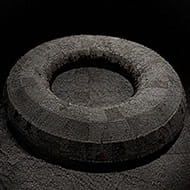

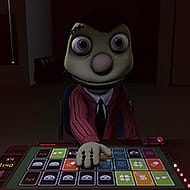
In Reverse T-gotchi you start as a Tamagotchi in a dim room, watched by an owner who decides when you eat, when you are noticed, and when you are left alone with nothing at all. That setup matters because the game takes away the one thing virtual pet simulations normally give you: control. Everything you do has to fit around someone else’s moods.
| Genre | First-person psychological horror |
| Players | Single-player |
| Perspective | You are the Tamagotchi |
| Style | PSX-era visuals and spatial 3D sound |
| Core loop | Satisfy the owner’s whims while meeting your own needs |
Life Inside the Screen: Your Room and Your Owner
The premise inverts the virtual pet formula. Instead of caring for a creature, you are the creature, and the person who cares for you is anything but dependable. The owner decides whether to feed you or starve you, and whether to give you attention or let you sit alone with the emptiness. The game frames this as care turning into torture, and that idea shapes everything from the first minute.
First-person view makes the room feel small and the owner feel enormous. Spatial 3D sound is a headline feature, so headphones suit the game well. Players who love atmosphere more than action will get the most from that approach.
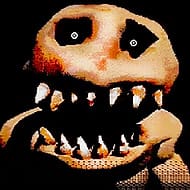
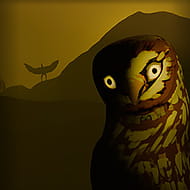
The look is deliberately PSX, with a rough, grainy darkness that suits a story about being trapped inside someone else’s hobby. It reads as nostalgic and uncomfortable at the same time.
Needs, Whims, and the Cost of Care in Reverse T-gotchi
Two pressures drive every stretch of play: pleasing the owner and keeping yourself alive. They rarely point in the same direction, and early in the game most players discover that obedience alone does not solve the second problem.
Feeding. The owner may feed you or starve you, and the tags mention cooking and physics, so handling food is likely a hands-on affair. Watching the owner’s habits matters more than rushing toward a meal.
Attention. Attention is the other currency. When the owner leaves you alone, the game treats that emptiness as a hardship as real as hunger.
Whims. Fulfilling the master’s whims keeps him happy, and a happy owner is a more predictable one. Players who enjoy stealth and careful observation will have fun working out which whims to humor and which to avoid.
Secret Places Beyond the Room’s Borders
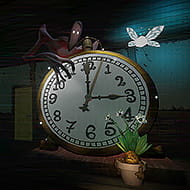
The gameplay notes encourage you to explore your room and find secret places hidden beyond its borders. That promise turns the room from a cage into a map, and the walking simulator tag suggests exploration is a large part of the appeal. Curiosity is the habit that tends to pay off, while staying close to what the owner expects keeps you safe and stuck.
Mystery, lore-rich, sci-fi, and psychedelic all appear among the tags, which hints that the story reaches beyond a simple captivity setup. The room seems to have a history, and the hidden areas are where that history lives.
Not everyone will enjoy being powerless. Having no control over your own survival is the point, but it can feel punishing, and the walking simulator pacing means long stretches of observation. Players who expect fast action should know the horror here is slow, psychological, and built on helplessness. The demo’s average session of about an hour is a sensible way to test whether that suits you.
Quick Answers on Reverse T-gotchi
What is Reverse T-gotchi about?
You play the virtual pet instead of the caretaker, and the owner controls whether you eat, get attention, or are ignored. Your goal is to satisfy the owner’s whims while also meeting your own needs, all inside a room that hides secret places beyond its borders.
Can you control the owner in Reverse T-gotchi?
No, and that is the central idea. The owner decides everything about feeding and attention, so your agency comes from reading the owner’s whims, exploring your room, and finding ways to satisfy your own needs around them.
Is Reverse T-gotchi built on jump scares?
The focus is on dread and helplessness rather than sudden shocks. Dark visuals, PSX-style graphics, and spatial 3D sound build the mood, and the walking simulator and stealth tags point to a slow, tense pace.
Reverse T-gotchi turns a childhood virtual pet into a trap where the owner holds every key, the room hides more than it shows, and each meal and moment of attention has to be earned. If you can accept helplessness as a horror device, it offers a strange look at what care looks like from the other side of the screen.