










MONOCHROME




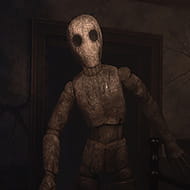
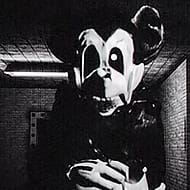


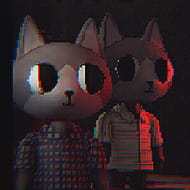
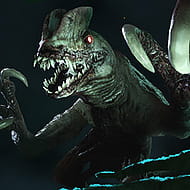
What happens in MONOCHROME when the corridor lights drop and the nearest closet is still two rooms away? That question explains most of the game. You wake in a sealed gray room, the exit is locked, and a network of abandoned corridors stands between you and the elevator, with something horned already walking the same hallways. On paper the goal is simple, four keys and one code, and in practice every search is a negotiation with the dark.
Waking Up Sealed In: The First Two Minutes of MONOCHROME
A run starts in the lobby, where you press PLAY, check the list of waiting players in the party menu and hit ENTER THE HOUSE. Servers hold up to 50 players, so the lobby can be busy before anyone steps inside. The tutorial slides cover The Monster, The Escape and the Radar, and they are short enough that skipping them is a false economy.
Inside, the first real obstacle is a boarded doorway marked DO NOT ENTER. Walk up, hold E on the Plank / Pry prompt, and the planks come off one at a time. A common beginner stumble is pressing once, seeing nothing change and assuming the door is bugged, when the action simply has to be repeated until every plank is gone.
What stands out in the first two minutes is how little the game explains. The palette is grayscale, the stairs lead down into a maze-like set of corridors, and the strongest habit you can form right away is noting where each closet sits as you pass it. Players who treat closets as landmarks rather than just hiding spots build a usable mental map far faster than those who wander.
Everything after the stairs is search, memory and nerve.
Four Keys and One Code: What Actually Gets You Out
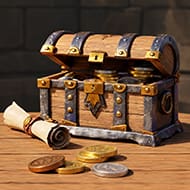
The exit sits behind four deadbolts, and each one needs its own key. Keys come out of furniture rather than lying in plain sight, and the dressers in the downstairs corridors are the usual hiding place. Every dresser shows a Drawer / Open prompt, and once you have opened one the prompt flips to E Close.
Closing drawers behind you is the cheapest bookkeeping trick in the game. It tells you at a glance which dressers you have already cleared, which matters on a second lap through a corridor when your nerves are shot and your memory is not. Speed-minded players tend to sweep one side of a corridor and then the other so that no dresser gets skipped.
The second half of the puzzle is a four-digit code that lives inside the level, shown somewhere in the corridors, and entered at the number panel beside the elevator. Neither half works alone, so a run only ends once you hold all four keys and the code. The panel will not save you if even one deadbolt is still waiting for its key.
Stamina, Torch Light and the Closet Habit
Sprint sits on Shift and drains stamina, which makes it a resource rather than a default speed. Walk while you search and save the burst for open stretches or for breaking away once the monster is already on you. The most common reason a run stalls is sprinting on reflex, so the stamina bar is empty at exactly the moment the lights fail.
The reliable answer to the monster is a closet. Walk up, press E on the Closet / Hide prompt, and wait; the point is to break line of sight and let the figure move past you rather than outrun it down a corridor you have not scouted. A corridor that goes dark is the signal to get inside the nearest closet instead of pushing forward.
- E: interact with planks, drawers and closets
- Shift: sprint, at the cost of stamina
- F: switch on the torch
- M: unlock the mouse so menus stop fighting the camera
The torch does not stop the monster, but it lets you read prompts and doorways once the lights are gone instead of guessing at them. Newcomers to horror games will want it ready before the first blackout, not after. The M binding is the other one to remember, since it frees the cursor the moment a menu button refuses to cooperate.
The Horned Figure in the Corridors
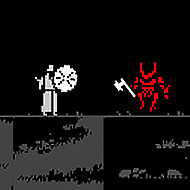
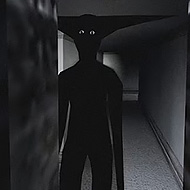
The monster is a tall horned figure that patrols the corridors on its own path and kills on contact. It also controls the lights, so visibility is never something you can count on for long, and that is what makes searching feel like a gamble rather than a chore. Horror fans who prefer atmosphere to action will appreciate that the answer is hiding, not fighting.
The HUD tracks a lives counter, and player reports say keys you have already inserted stay inserted after a death, so a death costs time rather than progress. That changes your risk calculation once the deadbolts start filling up. Later in a run you can afford more boldness than you could in the first corridor.
The description itself warns that the game is in early development and to expect bugs, and a second part is still in the works, so the corridors can change between visits. That is worth knowing before you memorize a route. Compared with the analog horror series that inspired it, MONOCHROME trades passive dread for an active checklist, which some players love and others find too procedural.
Radar and Night Vision Goggles: What the Gamepasses Change in MONOCHROME
Two paid items sit outside the base loop. The Radar costs 50 Robux and is bound to R, while the Night Vision Goggles cost 75 Robux and sit on G. Neither is required to escape, and the tutorial calls out the Radar directly as an optional purchase.
By name, the Radar is a tracking aid and the Goggles are made for the dark, and both exist to take some of the guessing out of the corridors. Whether they tilt the balance is a fair argument, because paid aids in a horror game can flatten the fear they are meant to sit beside. The same corridors that feel tense without them can feel manageable with them.
Players who want to keep the horror intact can ignore both, since the torch, the closets and a mental map of the corridors cover the base loop. Players who would rather ease into their first escape may find a small purchase worth it. Either way, the four keys and the elevator code stay exactly the same.
Common Questions About Escaping MONOCHROME
Where is the MONOCHROME code and how do you enter it?
The code is a four-digit number found inside the level itself, displayed in the corridors, and you enter it at the number panel beside the elevator. It is a puzzle answer rather than a reward, and the game has no redeem-code system, so lists of promo codes do not apply here. It only completes one half of the escape, since the deadbolts still need all four keys.
How do you hide from the monster?
Walk to the nearest closet, press E on the Closet / Hide prompt and stay inside until the horned figure has moved on. Hiding breaks line of sight, which is more reliable than sprinting down an unscouted corridor on a draining stamina bar. A corridor going dark is the cue to hide, because the monster controls the lights.
Do you need the Radar or Night Vision Goggles to escape?
No. The base loop of four keys, one code and a good habit of using closets is fully playable without them. The torch on F covers most dark stretches, so the paid items are conveniences rather than requirements.
MONOCHROME is at its best in the seconds after the lights fail: you are mid-corridor, the stamina bar is thin, and the nearest closet is a decision you have to make before the horned figure makes it for you. Four keys in four dressers and a four-digit code at the elevator panel are the whole checklist, yet the doorway marked DO NOT ENTER still sends you down into corridors you have to read all over again. If you want a short escape-room horror that rewards patience over reflexes, those corridors are worth learning.