





















The Boy Who Cried Wolf (Analog Horror)












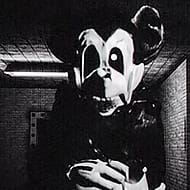
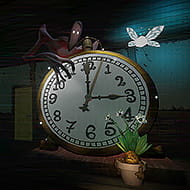
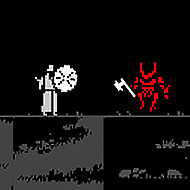
The familiar warning at the heart of The Boy Who Cried Wolf (Analog Horror) becomes much more disturbing when the consequences are treated as genuine horror rather than a simple moral lesson. A shepherd boy spends his time watching a flock of sheep and repeatedly claims that a Wolf is approaching, only for each warning to prove false. The repeated deception changes how everyone interprets his voice, creating a situation where truth and lies eventually sound exactly the same. When the Wolf becomes an actual presence, the story no longer depends on whether the boy can attract attention. The real question is whether anyone can recognize a genuine emergency after the boy has already taught them not to believe him.
| Central setting | Sheep pasture |
| Person at the center | The shepherd boy |
| Animal at risk | The sheep |
| Horror figure | The Wolf |
| Core idea | Trust becomes useless after repeated deception |
The Quiet Pasture in The Boy Who Cried Wolf (Analog Horror)
The story begins in an environment where very little seems likely to happen. The shepherd boy is surrounded by sheep and has the responsibility of keeping watch, but the quiet setting also leaves him with plenty of opportunity to become bored. His decision to announce the arrival of a Wolf immediately changes the mood without requiring the creature to be present. People react because the safety of the flock matters, and the boy discovers that a frightening claim is enough to interrupt the ordinary routine.
The first false warning establishes a pattern that becomes increasingly important. The boy can make people come running simply by naming the Wolf, but the reaction does not last forever. After the same trick is repeated, the warning starts losing its power. What originally sounds like an emergency eventually becomes another expected disturbance, which means the boy has effectively weakened the very system he would need if something genuinely dangerous happened.
The sheep make the situation more serious than an ordinary prank. They are the reason the boy has been left in the pasture, and the Wolf represents a direct threat to what he has been asked to protect. A viewer who pays attention to the setting can therefore understand the danger before the creature becomes the focus. The quiet flock is a constant reminder that the boy’s false alarms are connected to a real responsibility.
When the Warning Stops Being a Joke
The central reversal occurs when the Wolf is no longer imaginary. Suddenly, the same warning that was previously used for amusement describes a genuine emergency. The boy’s problem is not simply that he has made a mistake; he has created a history that makes the truth impossible to distinguish from another lie. That gives the Wolf a stronger role than a conventional monster because its arrival exposes the consequences of everything that happened beforehand.
The most uncomfortable part is that disbelief becomes understandable. Anyone who has already responded to several false alarms has a reason to hesitate when another warning arrives. From the boy’s perspective, the situation is completely different, but from the perspective of someone hearing the warning again, there is no obvious reason to assume that this time is special. The horror is created by that gap between what the audience knows and what the characters are willing to believe.
This also makes the story work for different kinds of horror fans. Viewers who enjoy monsters can focus on the Wolf and the danger surrounding the sheep, while viewers who prefer psychological tension can follow the collapse of trust. The two approaches reinforce each other because the creature becomes frightening precisely when the boy has lost the ability to make people react.
False Alarms and Broken Trust
The repeated cries about the Wolf function almost like a countdown, even though the story does not need a visible timer. Each false alarm brings the boy closer to the moment when his credibility will matter most. The audience understands the pattern long before the final danger, which creates anticipation rather than mystery. The question becomes how badly the earlier lies will affect the response when something real finally happens.
The analog horror format gives this familiar structure additional tension by allowing ordinary moments to feel suspicious. A quiet pasture does not need obvious signs of danger to become unsettling. Once the audience knows that the Wolf can be real, the empty space around the sheep starts to feel different, and viewers may begin looking beyond the obvious focal point for signs that something has changed.
The story can be divisive precisely because its basic outcome is familiar. Some viewers may feel that the central lesson is obvious from the beginning, while others may find that familiarity makes the horror stronger. Knowing the traditional story means the audience already understands the danger of repeated lies, so the tension comes from watching the consequences approach rather than discovering an unexpected moral.
The Wolf and the Meaning of the Fable
The Wolf represents the point at which the boy’s game stops being harmless. Before the genuine threat arrives, the creature exists primarily as a word that produces an emotional reaction. Afterward, the Wolf becomes an actual danger to the flock. This transformation gives the creature a clear narrative function and explains why the story does not need an elaborate mythology around it.
The boy’s relationship with the Wolf is therefore unusual. He is not simply trying to defeat a monster or escape from a creature that suddenly appears. His earlier behavior has already determined how other people will respond to the danger. Even if he knows exactly what is happening, his previous actions prevent that knowledge from being useful. The Wolf exposes a problem that the boy created long before the creature became real.
The sheep also become more significant as the story progresses. At first they represent routine and responsibility, but later they represent everything that could be lost because the boy’s warnings have become unreliable. For a viewer who enjoys story-driven horror, this shift gives the familiar animals a stronger purpose than simple background decoration.
Details That Make the Horror Effective
One of the strongest ideas is the changing meaning of the same warning. The words do not need to become different for the situation to become terrifying. What changes is the truth behind them and the listener’s willingness to believe them. This is why the story can create tension without constantly showing the Wolf: the audience already knows what the warning could mean, while also knowing that the warning has been abused.
Another effective element is the contrast between responsibility and distraction. The shepherd boy has a specific duty, yet he chooses to turn that duty into an opportunity for attention. The resulting problem is therefore connected directly to his decisions rather than being caused by random bad luck. The Wolf arrives at a moment when the consequences of those decisions have already accumulated.
Fans of analog horror who look for lore may be tempted to search for a complicated explanation behind every unsettling moment, but the strength of this story lies in its straightforward structure. The Wolf, the sheep, the pasture, and the repeated warnings already provide the essential pieces. The horror grows from how those familiar elements interact rather than from an unexplained mythology.
Questions About The Boy Who Cried Wolf (Analog Horror)
What happens when the shepherd boy finally tells the truth?
His genuine warning is weakened by all the false warnings that came before it. The people who have learned to dismiss his cries have no reliable reason to assume that the latest announcement is different, even though the Wolf is now a real danger. That reversal turns the original moral into the central horror mechanism.
Why is the pasture important to The Boy Who Cried Wolf (Analog Horror)?
The pasture establishes the shepherd boy’s isolation and gives the sheep a specific place that must be protected. Its open surroundings also allow the story to build uncertainty around what may be outside the viewer’s immediate attention. Once the Wolf becomes real, the same quiet environment that seemed harmless becomes a source of tension.
Why does the Wolf create such a serious problem?
The Wolf is dangerous because it appears after the shepherd boy has already destroyed the credibility of his warnings. The creature itself is only part of the problem; the larger issue is that nobody can easily tell whether the latest cry is genuine. The Wolf therefore turns the consequences of the boy’s earlier deception into an immediate threat to the flock.
The Boy Who Cried Wolf (Analog Horror) transforms a familiar story by making its central consequence feel immediate and frightening. The shepherd boy, the sheep, and the Wolf are connected through a simple pattern of responsibility, deception, and disbelief, with each false warning making the final one more dangerous. The result is a horror story where the most damaging mistake happens before the Wolf even becomes real, because by then The Boy Who Cried Wolf (Analog Horror) has already established how difficult it can be to make the truth matter.