












Death by Taxes
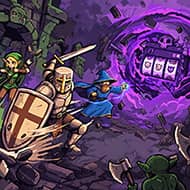


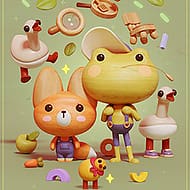




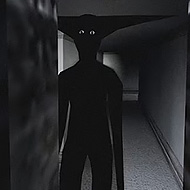


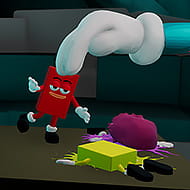

You look at your balance and it reads one billion dollars, which sounds like a dream until the tax bill shows up. In Death by Taxes the money has become the problem, and the only way out is to get poor on purpose before the deadline arrives.
| Genre | Satirical incremental clicker |
| Starting balance | One billion dollars |
| Goal | Spend everything before the tax bill arrives |
| Controls | Mouse only |
| Players | Single-player |
One Billion Dollars and a Tax Bill in Death by Taxes
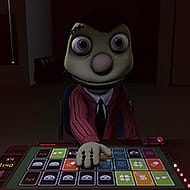
The setup flips the usual incremental logic. Most clickers are about watching numbers go up, but here the number you care about has to go down. You click to buy ordinary things such as coffee, food, cigars and gadgets in obscene quantities, then unlock faster ways to burn through cash. The goal is not to become rich, because wealth is the very thing that threatens you.
Early on, spending is slow and almost silly. That does not last.
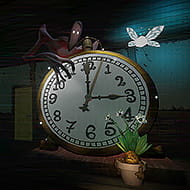
Beginners often treat the balance as the score, but the tax bill is the real clock. Anyone used to idle games will need to unlearn the instinct to hoard.
A Skill Tree Bigger Than It Looks
Every terrible financial decision unlocks another, and the engine behind that chain is a large skill tree full of abilities, stronger clicks and faster purchases. You choose a path, stack its bonuses and then discover that the tree is much bigger than it first appeared. Once the early branches fill in, a casual shopping habit has turned into something closer to an industrial operation.
Stronger clicks push more money out per click. They are the natural first lever in any incremental game.
Faster purchases speed up how quickly items change hands. They shorten the gap between clicking and watching the balance drop.
Abilities are the tools you use yourself, and the game expects you to stay sharp with them even after helpers arrive. They keep a run from turning into pure waiting.
Incremental games divide players, and this one is no exception. The numbers get bigger and the screen gets messier, which some players love and others find noisy. Players who enjoy theorycrafting skill paths will feel at home, while anyone who dislikes clutter should expect plenty of it.
Collectors and Helpers: Letting Others Do the Shopping in Death by Taxes
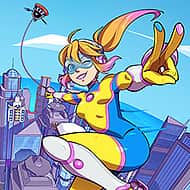
Shopping by hand is a poor use of a billionaire’s time. Collectors and other helpful NPCs can be recruited to buy things on your behalf, and they keep parts of the spending machine running. Once they start handling the busywork, the automation side of the game takes over from pure clicking.
They do not solve everything, though. You still need to stay sharp and use your abilities to keep the money disappearing.
That balance between automation and attention answers a common question about the genre, because this is not a pure idle game. Players who prefer to set a system running and walk away will still feel the pull to keep clicking.
Bosses at the End of Every Spending Segment
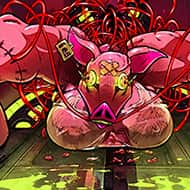
At the end of each spending segment, someone steps in to stop you from making an even worse financial decision. Each one is a unique boss with defenses to break through, and beating one unlocks a more powerful way to burn cash. The rhythm is simple: win the fight, take the upgrade and move on to something much more expensive.
Once a boss falls, the spending jumps to a bigger scale, and that escalation is the main pacing tool. Ordinary coffee money gives way to something far more ridiculous.
A fair caution is that the game is new and public detail is limited, so exactly how many segments and bosses stand between you and an empty account is not widely documented yet. What the structure promises is a clear goal: reach zero before the tax bill reaches you. Whether that stays fresh over a long session is the question incremental fans will be debating.
Death by Taxes turns a billionaire’s worst nightmare into a spending spree, with the skill tree, the collectors and the bosses all pushing in the same direction: down. Reach zero before the tax bill lands and the joke pays off, which makes every ridiculous purchase feel oddly productive.