














Unlisted

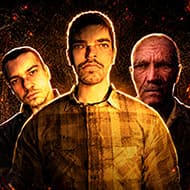


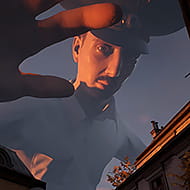



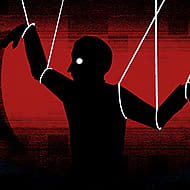



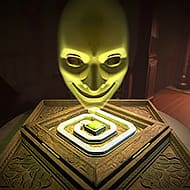
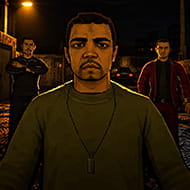
Unlisted looks like a quiet first-person walk through empty places but plays like a string of short, escalating nightmares, each one filmed by a different parent. Your son has gone missing, and the videos that start arriving show other grieving parents searching for their own lost children. Nothing about them is normal.
Episode Structure in Unlisted: One Parent, One Location
The setup is built around found footage. After your son disappears, you receive unlisted videos from parents who are desperately searching for their children, and each video becomes its own episode. Every episode takes place in a different location with its own atmosphere, so you never settle into a single map. That structure keeps the game feeling unpredictable from the first video to the last.
Each parent has a different place to search and a different way to fail.
By the time you finish the first video, the pattern is clear: where is the child, what is hiding in the dark with them, and how does any of this connect to your own son? Early in the game the videos feel separate, and the real hook is wondering whether they converge. Players who love anthology horror will recognize the format, while those who prefer one long story may miss having a single home base.
Walking Through Unlisted: Pace and Perspective
This is a walking simulator, and the store listing describes an average playtime of around 50 minutes. That makes it a single evening, not a long campaign. The first-person view and realistic graphics are meant to keep you inside each parent’s fear, and English voice acting adds to the sense that these recordings were made by real people.
Beginners often walk too fast. Slowing down, looking into side spaces and listening carefully is how the atmosphere actually works, because the game builds tension through what you notice rather than what you fight.
Expectations are the first divisive point. The listing carries an Action genre label alongside the walking simulator tag, so some players arrive expecting combat and find none. Anyone who enjoys slow-burn psychological horror will feel at home, while players who want to fight back may be frustrated.
How Unlisted Builds Fear Without Combat
Constant tension: every episode keeps the pressure on from start to finish, so there is no safe corner to relax in. The game wants you slightly uncomfortable at all times, which is why headphones and a dark room are the usual advice among horror fans.
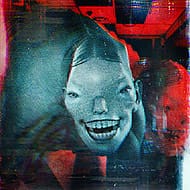
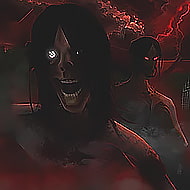
Changing creatures: the source of fear is different in each location. The listing mentions diverse locations and creatures, so what stalks one parent is not what stalks the next. Players who like surprises benefit most, because no episode can be solved with the lessons of the previous one.
Tragic outcomes: the store page is blunt that the outcome is always tragic, and then asks whether yours will be any different. That framing means the point is not winning but understanding what happened. The page also warns about flashing lights and intense visual patterns that may trigger photosensitive epilepsy, so sensitive players should take it seriously.
What Divides Players About Unlisted
The subject matter is the first thing to consider. A story about missing children and grieving parents is emotionally heavy, and the gore tag on the page means some scenes are graphic. Players who are parents or who simply find the theme hard may want to read the warning carefully before starting the game.
Length is the second debate. Around 50 minutes is short, and some players will call that too thin while others consider a tight, linear horror story the better format. A short run also makes the game easy to try in one sitting, and a demo exists for anyone who wants to test the mood first.
The third question is payoff. Walking simulators live or die on how well the ending connects the pieces, and players will judge whether the link between the videos and your missing son feels earned. That uncertainty is part of the appeal, since the game sells itself on the question of hope or dread.
Unlisted is a short, heavy horror story for players who want to sit with a feeling instead of fighting it. The videos from grieving parents, each set in a new location, turn the search for your missing son into a series of dark detours that never get easier. Go in with headphones, patience and a willingness to be unsettled.