













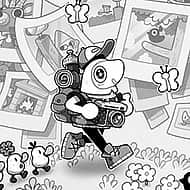




Too Deep To Quit





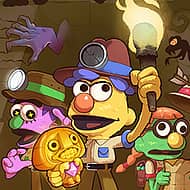
The adventurers in Too Deep To Quit are puppets, and that single fact explains why every fall, swing and stumble inside a cursed temple turns into slapstick. This co-op survival exploration game sends one to four players into procedurally generated ruins in search of solid gold idols and priceless artifacts. The rule at the center of it all is blunt: only the survivors get to split the gold.
| Genre | Co-op survival exploration |
| Players | 1 to 4 |
| Perspective | First-person |
| Setting | Cursed temples with procedural layouts |
| Tone | Physics-driven comedy with real danger |
| Platform | Windows PC |
Puppets, Ragdolls and the Physics of Too Deep To Quit
Everything in the game runs on physics. Your puppet adventurer flops, tumbles and ragdolls through the temple corridors, and that looseness is both the joke and the challenge. A jump that looks safe can send you sprawling, and a squad that coordinates badly will spend as much time untangling itself as exploring. New players quickly learn that moving carefully matters more than moving fast.
The game is played from a first-person view, so you feel each stumble directly instead of watching it from outside. That makes the comedy hit harder, but it also means a fall into a spike pit can feel like the floor’s fault and not yours. Expect plenty of arguments about who actually caused the last disaster.
Players who enjoy physics-driven co-op chaos will feel at home within minutes, while anyone who prefers precise platforming may need time to adjust to the wobble. You also get a variety of tools to cross hazards, and learning how each one behaves under ragdoll physics is the first real skill to build.
Scavenging What the Earlier Adventurers Left Behind
The temples hold more than gold. They are packed with the leftovers of the poor saps who came before you, and checking every dark corner is how you find whatever keeps your squad breathing. Improvisation sits at the heart of the survival side, because you rarely have exactly the item you want at the moment you need it.
Starving to death is on the list of ways to fail, which means exploring slowly is not harmless. Early in a run you can afford to peek into side rooms, but the deeper you go, the more each detour has to justify itself. Treat the first halls as a supply stop and the later ones as a gamble.
Scavengers who love opening every container are the natural role in a squad, though someone still has to watch the corridor while they dig. The honest downside is that procedural layouts can make one run generous and the next one stingy, so a good squad learns to adapt instead of relying on one plan.
Spike Pits, Arrow Walls and Squashing Corridors
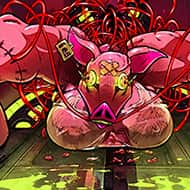
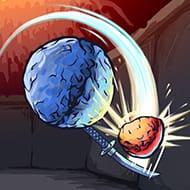
Every hallway is a death trap waiting for a mistake. Spike pits, arrow walls and corridors where the walls close in all appear in the ruins, and getting squashed is described as worse than starving. The traps are what turn quiet exploration into a team exercise in calling out danger.
A few habits keep a squad alive:
- Call out suspicious floors and walls before anyone steps on them.
- Send one puppet ahead while the others hold back, so one mistake costs one adventurer and not four.
- Keep your tools ready before entering a corridor, not after the first arrow flies.
Every squad has a clumsy guy, and the game’s own description jokes about exactly that player. Learning to laugh at the role instead of blaming it is half the social skill here, and the other half is knowing when to let that player carry the torch instead of the artifact.
Snakes, Spiders and the Locals That Bite Back
If the traps do not get you, the locals will. The forgotten temples are a breeding ground for anything that slithers, stings or bites, and snakes and spiders are among the creatures waiting in the dark. These enemies feel less like a combat test and more like another source of panic in tight corridors.
Because your puppet is a floppy ragdoll, fighting back feels very different from a standard action game. You are improvising with whatever tools you picked up, and the same chaos that makes traps funny makes an ambush genuinely tense.
Solo players can still enter the temples, since the game supports one to four adventurers, but a lone puppet has no one to point out a trap or grab a dropped idol. Anyone playing alone should expect a slower, more cautious run than a full squad would manage.
Splitting the Gold: Why Only Survivors Get Paid in Too Deep To Quit
The pitch ends with a warning: beware of everything and everyone, because only the survivors split the gold. Solid gold idols and priceless artifacts lie deep in the ruins, and carrying them out is the real goal. The tension between cooperating and quietly keeping the best loot is where squads will argue the most.
Players who love risky heists will push deeper for the biggest idol, while cautious ones will bank what they have and head for the exit. A squad that mixes both types needs to agree before entering about when to turn back, because the temple does not wait for a vote.
It is fair to say the game is still new, and how much depth the loop holds over many runs is something only long-term play will show. A demo exists to test the physics and the first dangers, which is the sensible way to judge whether the slapstick suits your group.
Too Deep To Quit works best when your squad treats every gold idol as a shared risk: scout the arrow walls, scavenge what the earlier adventurers left behind, and make sure your clumsiest puppet is not the one carrying the artifact out.