





















Subnautica 3

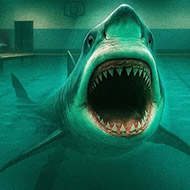






Subnautica 3 looks like a calm dive through blue water on the loading screen, but it plays like a slow negotiation with an environment that never stops testing your oxygen supply, your nerve, and your crafting priorities. The gap between that first impression and the actual pressure of exploring past the Safe Shallows is where most of the game’s identity lives.
First Dive and the Aurora Wreck in Subnautica 3
You start with almost nothing beyond a scanner and the wreck of the Aurora looming behind you, which doubles as both a landmark and a resource site early on. The Safe Shallows around your starting point are calm by design, letting you learn scanning and basic crafting before anything in Subnautica 3 tries to kill you.
Most beginners get one thing wrong immediately: they treat the shallow water like the whole game and stay too long instead of pushing toward deeper biomes once their air management improves. The early game rewards patience, but it also rewards leaving your comfort zone slightly earlier than instinct suggests.
By the time you’ve scanned your first dozen fragments, the game already expects you to be thinking about a permanent base rather than shuttling supplies back to your lifepod every few minutes.
Building a Base Beyond the Safe Shallows
Base building in Subnautica 3 is where the survival loop actually clicks into place. A hatch here, a scanner room there, and suddenly you have a foothold instead of a temporary shelter. Community vocabulary calls this “base creep” — the habit of expanding a build far past what’s practical because the game makes every new module feel earned.
- Anchor your first base near a resource-dense biome rather than directly under your starting lifepod
- Add a scanner room early to cut down on blind exploration
- Reinforce hull sections before pushing into deeper, higher-pressure zones
Vehicles: From the Seamoth to the Prawn Suit
Once you’ve stabilized a base, vehicles change how you interact with the ocean entirely. The Seamoth gets you moving fast and lets you cover ground the early game otherwise makes exhausting on foot-equivalent swimming. The Prawn Suit comes later and flips the equation again, trading speed for the ability to survive encounters that would otherwise end a run instantly.
Players who enjoy methodical exploration tend to live in the Seamoth, darting between biomes to map territory. Players chasing combat encounters and deep-trench resources gravitate toward the Prawn Suit once they’ve unlocked it, since its durability changes what’s survivable.
Leviathans and the Fear of Deep Water in Subnautica 3
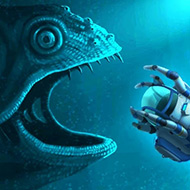
Nothing recalibrates how carefully you play like a first leviathan encounter. These creatures don’t need to be common to be effective — a single sighting is usually enough to make you rethink whether a given biome is worth entering without better equipment. Advanced players eventually learn to read leviathan behavior patterns well enough to slip past them entirely, which is a technique most newcomers don’t discover until well into their second or third serious run.
One thing the community debates constantly is pacing around these encounters. Some players want tenser, more frequent scares; others feel the fear works precisely because it’s rationed carefully rather than constant.
- What should I build first in Subnautica 3? A basic habitat module near a resource-rich biome, followed quickly by a scanner room — rushing a Seamoth before you have stable oxygen and food sources tends to backfire.
- How do I survive early leviathan encounters? Avoid direct engagement, use terrain and reduced visibility to break line of sight, and treat any leviathan sighting as a signal to leave the area rather than investigate further.
- Where do I find blueprint fragments? Fragments are scattered through wreck sites and biome-specific debris fields, with scanning multiple partial fragments of the same type eventually unlocking the full blueprint.
Subnautica 3 succeeds because it never lets the ocean feel fully known — even once you’ve built a sprawling base and upgraded into a Prawn Suit, there’s always a biome past your comfort zone daring you to bring better gear next time.