

















Bad House





What do you do when the only rule in your new home is to stay out of the basement? Bad House answers by sending you down anyway, armed with knives, wands, amulets and armor left behind by the previous tenant, into a dungeon that keeps changing its shape. It is an auto-battler dungeon crawler where the fighting plays out on its own and your real work happens before the first monster arrives.
| Genre | Auto-battler dungeon crawler |
| Platform | PC |
| Mode | Single-player |
| Core Loop | Descend through basement rooms, fight automatically, return loot to storage |
| Setting | An ordinary house sitting on top of a monster-filled basement |
The Basement Rule and What Waits Downstairs in Bad House
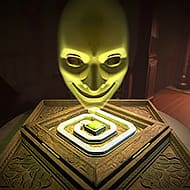
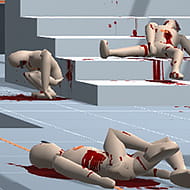
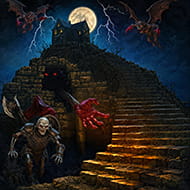
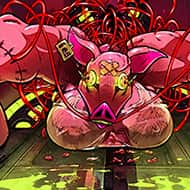
The premise reads like a lease agreement with a warning stapled to it. You get the house, you get the belongings the previous tenant abandoned, and you get one condition: do not go into the basement. Naturally you do, and what you find is a dungeon of many rooms populated by demons, skeletons, bats and the undead, plus occupants the game never bothers to identify. The layout is ever-changing, so no two descents hand you the same sequence of rooms.
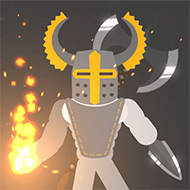
Early in the game the monsters are manageable, and that is deliberate. The first few rooms teach you what your loadout actually does, which matters more than reflexes because you are not steering the fight. Roguelike fans will recognize the rhythm of learning through failure, and the demo does not expect you to reach the bottom on your first try. The default character, Blake, is a blank slate that you shape through skills and equipment.
How far down the basement goes is the central mystery, and the marketing copy deliberately refuses to answer it.
Auto-Battler Combat: Skills, Bombs and Spell Traps
Combat in the game resolves automatically, so the decisions come from what you bring and where you put it. You pick a character, set your skills, and then use items such as bombs and spell traps placed around each room to shape the fight before it starts. Think of it as arranging a trapped room and then watching it work.
Beginners usually treat the auto-battle as a spectator sport and simply wait for the result. The better habit is to read each room first, note where monsters will arrive from, and drop a bomb or spell trap where they are likely to bunch up. Players who have never touched an auto-battler before report being pulled in faster than they expected, because the planning step feels like a puzzle.
Summoning skills stand out once they enter your loadout, since a summoned creature fights beside you and changes the shape of the whole room. Early impressions single them out as a favorite, and it is easy to see why: they turn a lone fighter into a small crew.
Loot, Storage and Fragile Basement Access in Bad House
The basement is littered with what the previous tenant left behind: knives, wands, amulets, rings, swords, shields and armor. Every piece is a choice about risk, because management accepts no responsibility for anything abandoned downstairs.
Storage box: Your personal storage sits upstairs and stays available for the whole tenancy, so valuables you carry back up are safe for future descents.
Fragile access points: The ways into the basement can break after use and may not remain available, which turns every extra room into a gamble between pushing deeper and walking home with what you have.
Loadout mix: Weapons, armor and trinkets decide which skills you can actually lean on, so a haul that looks impressive can still leave you short in the room that matters.
Demo Impressions: Where the Auto-Battling Divides Players
Not everyone wants to hand over control of combat. Players who love hands-on dungeon crawlers may feel that watching a fight resolve by itself is a step backwards, while others see the pre-fight setup as the real puzzle. That split is the main debate you will hear around Bad House.
The other open question is variety. A basement that changes layout sounds endless, but monster families like skeletons, bats and demons repeat, so long-term interest depends on how much the items and skills diversify each run. Anyone who has only seen the early demo cannot judge that yet.
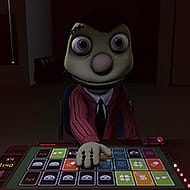
Tone is the third talking point. The setting leans into blood, gore and occasional body horror while keeping a deadpan landlord-notice presentation, a mix some find charming and others find odd.
Common Questions About the Basement and Your Loadout
- What gear can you find in Bad House? Knives, wands, amulets, rings, swords, shields and armor are all scattered through the basement rooms, and anything valuable can be returned to your upstairs storage box for later. Because the access points are fragile, you have to decide how much to carry back before the way out closes.
- Is combat fully automatic? Yes, fights play out on their own using the skills you chose, but the bombs and spell traps you place around the room are what steer the result. Summoning skills add creatures to the fight, which makes loadout planning more important than reaction speed.
- What monsters live in the basement? Demons, skeletons, bats and the undead, along with unidentified occupants that the game keeps deliberately vague. Expect the roster to repeat across floors while the room layouts keep changing.
Bad House works because one simple rule becomes a loop of loadouts, bombs and a storage box that slowly fills up. Go down with a summoning skill and a spell trap set where the skeletons gather, and decide at each fragile access point whether the next room is worth losing your way home. Whether Blake ever reaches the bottom is the question the whole basement is built around.