




















Railway Chai Wala












What actually happens once the last train of the night pulls out of Fakripur station and Ramu is left alone at his stall? That’s the question Railway Chai Wala keeps circling back to, and it’s a stranger one than the cheerful chai-brewing premise suggests.
| Genre | Psychological horror with simulation elements |
| Setting | Fakripur railway station |
| Playable Character | Ramu, a chaiwala running the station stall |
| Session Length | Short, single-sitting story experience |
Brewing Chai as Ramu at Fakripur Station
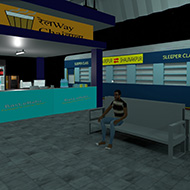
The first stretch of the game plays almost like a cozy shift-work simulator. You’re brewing chai, frying samosas, plating vada pav, and pouring Kokila Kola for a rotating cast of passengers, and the loop is deliberately mundane. That mundanity is doing work — it’s establishing a baseline so the station’s later shift into something eerie actually lands.
Serving mechanics stay light by design. There’s no strict timer punishing slow pours, and Ramu’s dialogue options with passengers are more about flavor than branching consequence, at least early on.
What players in the game’s community tend to bring up first isn’t the horror beat at all — it’s the ambient sound design, the specific hiss of the chai kettle layered under distant train announcements.
When Fakripur Station Stops Feeling Safe
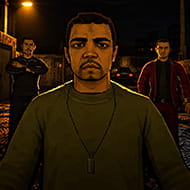
Once the eerie mysteries start surfacing, the tone shift is abrupt rather than gradual, closer to Fears to Fathom’s grounded dread than a jump-scare gauntlet. Passengers who felt like background color start behaving in ways that don’t fit the station’s normal rhythm, and Ramu’s usual chores take on a different weight once you’re no longer sure who’s actually still a passenger.
Beginners commonly misread this shift as a bug or a scripted one-off event rather than the start of a new phase of the game, which leads to missed context clues in dialogue that later scenes assume you caught.
Story Pacing and What the Game Is Known For
- Its runtime — reviewers consistently note it stays exactly as long as its ideas warrant, without padding out the mystery with filler tasks.
- Its setting — an Indian railway station is a genuinely underused backdrop for horror, and the game leans into that specificity rather than defaulting to a generic haunted house.
- Its blend of tones — cheerful stall work bleeding into dread is the thing most Steam reviews single out by name.
Because it’s built as a linear, story-rich experience rather than a systems-heavy sim, replay value comes almost entirely from chasing different narrative branches and endings rather than optimizing chai-brewing efficiency.
Endings and What They Reveal
Multiple endings exist depending on choices made once the mysteries start unfolding, and players comparing notes online have found that small dialogue decisions with passengers earlier in the shift echo into how the ending plays out. This is one of the more debated aspects of the game — some players find the branching too subtle to notice on a first run, while others consider that subtlety the entire point.
- Is Railway Chai Wala scary the whole way through? No — the first portion plays as a calm slice-of-life simulator, and the horror elements only surface once the station’s secrets begin to unravel partway through Ramu’s shift.
- Do choices with passengers affect the ending? Yes, several interactions with the colorful cast of station characters carry weight later, though the game doesn’t flag which conversations matter at the time you’re having them.
- How long does a full playthrough take? It’s designed as a short, single-sitting story, long enough to deliver its mystery without stretching the chai-brewing loop into repetitive busywork.
Railway Chai Wala earns its reputation less from mechanical depth and more from how confidently it turns Fakripur station’s chai counter into a place you stop trusting, one shift at a time.