












771 Smile And Work











You get a call in the middle of the night, walk into an office for a shift nobody planned, and find the place calmer than it should be. 771 Smile And Work opens with ordinary overtime and ordinary orders from your boss, so the first minutes feel almost dull. That dullness is the setup, because the office after dark does not stay ordinary for long.
Night Shift Basics in 771 Smile And Work
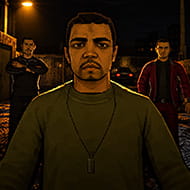
The game is a first-person walking simulator, which means there is no combat, no inventory to manage and no way to fight back. You move through the office, follow the instructions your boss gives and keep working while the building around you slowly stops behaving like a building. All of the fear comes from what changes while you are busy with ordinary tasks. The realistic look helps, because a corridor that resembles any workplace can turn wrong with only a small shift in the lighting.
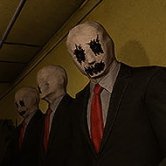
The order to keep smiling hangs over every task. It turns routine work into something faintly menacing.
Beginners usually rush. They treat each order as a checklist item, sprint toward the next objective and then wonder why the night felt flat. The shift rewards a slower pace, since the details in the rooms between tasks carry most of the unease. A full playthrough lasts about 40 minutes, so a rushed first attempt can be over before the atmosphere has had time to settle.
When the Boss Starts Asking for Strange Things
Early in the shift the tasks are exactly what an office worker expects, simple errands that raise no eyebrows. Once your boss’s orders drift away from normal duties, the question stops being what you have been asked to do and becomes why anyone would ask. Players who enjoy slow-burn dread tend to love this stretch, because nothing chases you and the tension builds purely from implication.
There is no timer pushing you, only your own nerves. Every extra minute spent in a room is a choice you make yourself.
The honest catch is that the story stays thin. Some players find it underdeveloped, and the game explains very little about the boss, the building or the reason anyone is working at that hour. Others treat the silence as the point, and which camp you fall into depends on whether you want answers or atmosphere.
Seven Hands, Seven Moods: Why 771 Smile And Work Shifts Tone
The game is built from seven separate segments, each shaped by a different creator, and you can feel the handoffs while you play. One stretch may lean on quiet corridor walking while the next pushes for a harder scare, so the night never follows a single steady curve. Players who like their horror consistent may find that uneven, and players who like surprises will find it refreshing.
By the time the later segments arrive, the office no longer obeys the logic you learned early on. That break is a common talking point among players.
The short runtime and the segment structure mean no section overstays its welcome, which is a real strength. The flip side is that a few ideas arrive and leave before they are explored, a criticism that comes up whenever people compare notes on the story.
Flickering Lights, Sound Design and Jump Scares
Flickering lights. The game uses flickering light effects, and a warning accompanies them for people with photosensitive epilepsy. Anyone sensitive to flashing should read that warning before starting, and everyone else will notice how the flicker sells the idea that the office is not quite itself after dark.
Sound. The sound design is described as high quality, and headphones change the night more than any graphics setting could. Quiet stretches matter as much as loud ones, and the silence between tasks does a lot of the frightening.
Jump scares. Players tend to praise the jump scares and the creepy atmosphere, and fans of sudden frights will find a few well-placed ones. Because the playthrough lasts only about 40 minutes, the scares come packed into a short sitting rather than stretched across many hours.
771 Smile And Work asks for about 40 minutes, a pair of headphones and the patience to follow your boss’s orders without rushing, and in return the night shift saves its strangest moments for players who slow down and look around. The office never fully explains itself, and that silence, together with the standing order to keep smiling, is what stays with people after the last task.