
















Playrooms




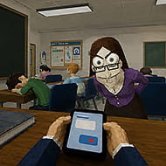


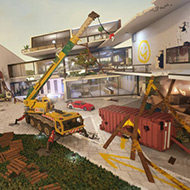





In Playrooms you start your shift in a maze of liminal rooms with one job and a mess too big to count: more than 200,000 balls are scattered across the floor, and every one of them belongs back in a ball pit. Nobody explains why, and the work begins anyway.
| Genre | First-person cleaning horror with a liminal setting |
| Main task | Collect scattered balls and fill ball pits |
| Danger | The darkness that arrives when the shift ends |
| Players | Single-player |
Ball Pits, Scoops and the Shift Routine in Playrooms
The job is as plain as it sounds: collect balls, carry them back, and fill the ball pits. Full ball pits unlock new abilities, and the balls you gather also work as currency, so every trip pays twice before you have even left the room. With more than 200,000 balls to move, the sheer scale of the job is part of the unease.
Tools arrive as your pile grows. A scoop speeds up the pickup, a flashlight helps in the dark, and the more balls you collect, the more equipment you can afford. Wandering far from the ball pits early in a shift is a classic beginner habit that costs you time.
Cleaning sim players will feel at home, because the satisfaction lives in the sweep itself: scoop, carry, drop, and watch the pit fill. Organizing fans get a steady stream of small wins, and that steadiness is exactly what the lights-out moment later interrupts.
Staying in the Light When the Shift Ends
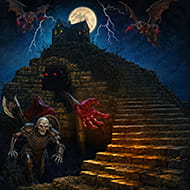
When your shift is over, the lights go out one by one, and the rule becomes simple: stay in the light. What waits in the darkness is something you do not want to meet, and the game backs that up with sudden loud sound effects and long stretches of near-total darkness.
By the time the last lamp in a room dies, the ball pit you were filling stops mattering. That switch is where the cozy chore turns into a horror game, and the jumpscares land harder because the sorting felt so calm.
Players who arrive for constant chases tend to find that most of the time goes to collecting. The darkness works as a punctuation mark rather than a constant, which some call refreshing and others call too sparse.
Tiles, Water and the Hallway With Too Many Doors in Playrooms
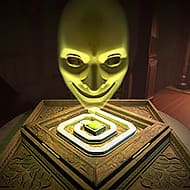
Enough collected balls buy the key to the next area. The work stays the same and only the room changes: tiled rooms, flooded floors, endless corridors, and a hallway with more doors than it should have. Anyone who knows the Backrooms will recognize the liminal look right away.
Difficulty is your call. You can pick no fear at all or no second chances, so the same ball pits become either a calm chore or a tense gamble. Players who want a relaxed cleaning loop take the gentler route, while those chasing stakes treat the harsher option as the real test of the shift.
The honest complaint is repetition. The loop is incremental by design, and players who want a new mechanic every hour can find it a long grind, while others find the steady rhythm soothing between the scares.
Questions Players Ask Before Their First Shift in Playrooms
How do you unlock the next area?
Spend collected balls on the key to the next area. Full ball pits also hand out abilities, so filling them before you rush for the key makes later rooms easier to clear.
Is the horror constant?
No, and that surprises players who expect a traditional horror game. The scares are tied to the lights going out after the shift, so staying in the light is the whole defense, and the rest of the time you are sorting balls.
Can you lower the fear level?
Yes, because the difficulty choice lets you decide how dangerous the job gets, from no fear at all to no second chances. Pick the gentler option if the flashlight and the dark sections are the part you want to avoid.
Playrooms works because the chore is satisfying and the dark is patient: fill the last ball pit before the shift ends, keep your flashlight steady, and remember that every lamp that goes out is a lamp you needed. The balls will still be there in the morning, but the dark between the ball pits does not wait politely.