




















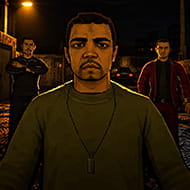




Femboy Simulator
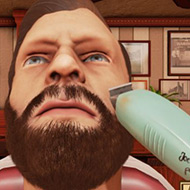

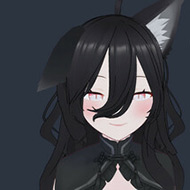









You walk into a new district wearing an outfit you threw together in five minutes, and the first NPC you talk to reacts like it matters — because in Femboy Simulator, it does. Every conversation reads your appearance and tone together, and the game never lets you forget that presentation is part of the dialogue system, not separate from it.
| Genre | Social Simulation, Lifestyle |
| Perspective | Open-World Exploration |
| Core Systems | Customization, Dialogue, Fashion Economy |
| Setting | Local Districts |
Building a Character in Femboy Simulator
Customization goes well beyond a character-select screen — body structure, height, hair, facial features, voice tone, and clothing all combine into a single wardrobe system players can rebuild at almost any point. What beginners get wrong early is locking in a look and never revisiting it, when Femboy Simulator actually rewards players who adjust their presentation depending on which district or NPC they’re trying to connect with.
Voice tone in particular gets overlooked by new players, even though it factors into how NPCs read a conversation alongside outfit choices — a mismatch between how a character looks and how they sound can change an NPC’s response in ways that aren’t always obvious until you’ve tested it directly.
Districts, NPCs, and Branching Dialogue
Exploring local districts means running into dozens of distinct NPCs, each with their own branching dialogue shaped by tone and body language as much as by what’s actually said. Femboy Simulator treats these conversations less like fixed scripts and more like reactive systems — the same opening line can land completely differently depending on the outfit worn into that specific interaction.
- Tone Options — dialogue branches that shift based on confident, playful, or reserved delivery.
- Outfit Influence — clothing choices that measurably change how NPCs respond within a conversation.
- District Identity — each area carries its own social expectations, rewarding players who adapt rather than using one look everywhere.
The Fashion Economy Behind Every Outfit in Femboy Simulator
Clothes in Femboy Simulator aren’t just cosmetic drops — they’re earned, bought, or traded through in-game activities, and the universal wardrobe system means almost any piece can be combined with almost any other. Long-time players describe the fashion economy as the game’s real progression system, since building a recognizable personal style takes longer than simply completing a checklist of activities.
Does voice tone actually change NPC reactions in Femboy Simulator?
Yes — voice tone factors into conversations alongside outfit and dialogue choice, and a mismatch between look and delivery can shift how an NPC responds.
Do I need to earn currency to unlock new outfits?
Most wardrobe pieces come from in-game activities rather than being available immediately, so building a full look takes sustained play rather than a single session.
Is there a wrong way to build a character in Femboy Simulator?
Not really — the universal wardrobe system is built for experimentation, and switching styles between districts is treated as normal rather than a mistake.
Femboy Simulator keeps its systems honest — the outfit you choose and the tone you pick genuinely shape how every district and every NPC responds, which is exactly why no two players end up building the same character twice.