










Barbershop Simulator






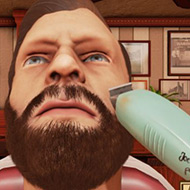
A customer drops into your chair, points at a photo on their phone, and says nothing else — the rest is on you. Barbershop Simulator hands you scissors, a razor, and exactly that much information, then judges the result against a standard you only partly understand until you’ve messed it up once.
| Genre | First-Person Simulation |
| Perspective | First-Person |
| Core Loop | Wash, Cut, Style, Score |
| Progression | Shop Upgrades |
Wash, Trim, Style: The Full Cycle in Barbershop Simulator
Every customer follows roughly the same sequence — brushing out tangles, washing, drying, then the actual cut and shave — but Barbershop Simulator varies the details enough that autopilot gets punished. Scissors handle length and shaping, while the electric razor is built for cleaner lines and fades, and reaching for the wrong tool at the wrong step shows up immediately in how the finished cut looks.
What beginners get wrong is rushing the wash and prep steps to get to the visible cutting faster. Skipping thorough brushing or washing doesn’t just look sloppy — it makes the actual haircut harder to execute cleanly, since tangled or improperly prepped hair behaves unpredictably under the scissors.
Reading a Customer’s Request in Barbershop Simulator
Requests range from simple trims to full beard grooming, and matching the reference exactly is where the scoring system actually lives. Players quickly develop an eye for translating a vague request into the right combination of tools and technique, and the satisfaction of a clean fade lining up perfectly is something regular players specifically cite as the game’s best moment.
- Fades — precision-dependent cuts that reward careful razor control over speed.
- Beard Grooming — a separate skill track from head hair, with its own tool requirements and shaping expectations.
- Full Styling — combining trim, shave, and finishing touches into a single cohesive look for pickier customers.
Upgrading Your Shop
Earnings from satisfied customers feed directly into shop upgrades — better tools, faster service options, and cosmetic changes that make the space feel more like a real business instead of a single chair in an empty room. Long-time players treat these upgrades less as decoration and more as a way to handle busier stretches without service quality slipping.
Does the order of steps in Barbershop Simulator actually matter?
Yes — skipping ahead to cutting before properly washing and prepping hair tends to lower your score even if the final cut looks reasonable.
Is speed or precision more important for a high score?
Precision matters more early on, though shop upgrades eventually let skilled players work quickly without sacrificing accuracy.
Barbershop Simulator succeeds because it never lets a rushed cut slide — every customer who leaves happy in that chair is proof you actually read what they wanted instead of guessing.