























Beyond the Blight








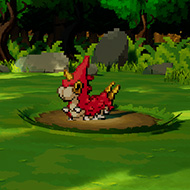


You step into the blighted forest with your invincibility barrier sitting at full strength, and by the time you clear the third pocket of poisoned air it’s already flickering. That drain is the whole tension of Beyond the Blight in one sentence — you’re not managing a health bar that regenerates on its own, you’re managing a resource that only goes down the more you actually do.
| Genre | Incremental dungeon-crawler |
| Perspective | First-person, 2.5D |
| Core Mechanic | Invincibility barrier management against a spreading blight |
| Setting | A dark, poisoned forest split into multiple biomes |
The Invincibility Barrier and Why It Drains in Beyond the Blight
A helper spirit is what grants you protection from the toxin in the first place, wrapping you in a barrier that keeps the poisonous air from finishing you off outright. The catch is that the barrier doesn’t just tick down on a timer — it deteriorates based on the actions you take, so fighting, looting, and even some traversal choices all cost you a slice of your buffer against the blight.
This is the detail new players consistently misjudge. Treating the barrier like a normal health pool leads to burning it out on unnecessary fights in an early biome, leaving nothing in reserve once the boss encounter actually demands invincibility to survive the last exchange of hits.
Players who come from traditional roguelites tend to overcorrect the other way, playing too passively and starving their own skill tree progress because they’re afraid to spend barrier on anything. The better read on it, once you’ve run a few expeditions, is that the barrier is a budget, not a shield to hoard.
Reading the Blight Loop Skill Tree
The skill tree, referred to in the community simply as the Blight Loop, is deliberately built around upgrades that change how you play rather than shaving small percentages off a stat. That was a direct response to player feedback during early testing, where the original node system handed out fractional buffs that barely registered run to run.
- Early nodes tend to open up spells, giving you an active ability instead of a passive stat bump
- Mid-tree nodes unlock companions that fight or support alongside you through the rest of the run
- Later nodes lean into automation, letting parts of your loadout manage themselves so you can focus on barrier timing
Min-maxers gravitate toward automation nodes as soon as they’re available, since freeing up attention during a fight is worth more late in a run than a flat damage bump.
Companions, Spells, and Squad Building in Beyond the Blight
Spells found through the skill tree give you your first real active decisions beyond movement and basic attacks, and they’re where the build variety in this game actually shows up. Companions layered on top of that turn a solo dungeon crawl into something closer to managing a small squad, each one doing something different depending on which branch of the tree you leaned into.
Casual players who just want to see new content tend to prioritize whichever companion unlocks the next biome fastest, while completionist-minded players will detour through side nodes purely to see what a spell does before committing barrier to testing it in a live fight.
Biomes, Events, and Mini-Game Rewards
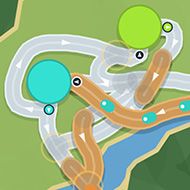
Beyond the Blight splits its run structure across several distinct biomes, each with its own monsters and its own flavor of environmental threat layered on top of the base poison mechanic. A map lets you plan your route between them ahead of time, which matters once you’re managing barrier as a limited resource rather than reacting blind to whatever’s next.
Scattered through each biome are events and mini-games that reward players who actually engage with them properly rather than skipping past. Fail one and the blight punishes you for it; clear one cleanly and the reward is usually worth more than what a straight fight in the same spot would’ve given you.
One detail players recognize almost immediately once they’ve run a few biomes back to back: the ambient sound design shifts subtly as your barrier gets low, well before any UI element flashes a warning at you.
Facing the Demon Lord at the End of the Run
The demon lord sits at the source of the blight itself, and the entire expedition is structured around getting there with enough barrier left to survive the fight rather than arriving empty. This is the moment the whole “beat the boss before your barrier runs out” framing pays off — everything from node choices to which biome events you bothered clearing feeds into whether you have anything left when it counts.
How does the invincibility barrier actually work in Beyond the Blight?
It’s granted by the helper spirit at the start of a run and depletes based on your actions rather than time passing, so combat, looting, and certain traversal choices all chip away at it — meaning careful play stretches a run much further than reckless play does.
What’s the best way to build out the Blight Loop skill tree?
There’s no single correct path, but players generally agree that grabbing an early spell before committing to a companion gives you an active tool to fall back on, with automation nodes becoming the priority once you’re deeper into a biome-heavy run.
Is Beyond the Blight worth playing while it’s still being tested?
It’s rough in places and the developers have been upfront that pacing and balance are still being adjusted, but the core loop of managing the barrier against the blight already holds up, and most of the incomplete edges are around content volume rather than the central mechanic.
Whatever biome you’re stuck in, Beyond the Blight keeps coming back to the same question: do you spend the barrier now, or save it for the demon lord waiting at the end of the run.