


















Rain98



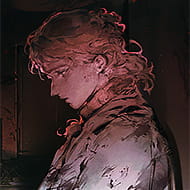




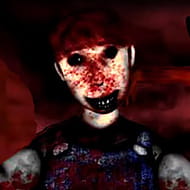



Rain98 looks like a cozy slice-of-life visual novel about a rainy apartment in 1998 Tokyo, but it plays like a countdown toward something you’re not sure you should be helping happen.
| Genre | Psychological horror romance visual novel |
| Platform | PC |
| Setting | Tokyo, 1998 |
| Core Mechanic | Minigames and dialogue built around a single recurring character |
Meeting Reina Amehara in Rain98
Rain98 opens in a small, cold, blue-toned room with Reina Amehara already present, already talking, already asking you to help her with something she frames as a ritual to save the world. Whether that framing is literal or a way of describing something much smaller and sadder is left open early on, and the game is clearly comfortable letting that ambiguity sit unresolved for a while.
Reina’s mood is not incidental to the game. Keeping her fed and steady changes how scenes play out, and letting her stay upset tends to color later interactions in ways that are hard to walk back. Story-focused players treat her emotional state less like a meter and more like a relationship they’re actively managing.
Newcomers expecting a straightforward horror game are usually thrown by how domestic the first hour feels — cleaning, small talk, a broken TV in the corner — before the game lets the stranger implications creep in around the edges.
The Angel Passport and the Hundred Acts
Progress toward Rain98’s central ritual is tracked through the Angel Passport, a sheet with one hundred spaces that fill in as you complete acts of service for Reina. Some of these are as small as helping with laundry or cleaning her room; others are tied to dedicated minigames rather than simple dialogue choices.
Once you understand that every interaction in the apartment is quietly feeding that same hundred-square total, the domestic busywork stops feeling like filler and starts feeling like the actual plot advancing in the background.
Players who blow through early scenes without examining every interactable object in the room — the balcony window, the broken TV, Reina herself — tend to miss context that later dialogue assumes you already picked up on.
Minigames Woven Into the Apartment
Rather than a separate minigame menu, Rain98 folds its systems directly into the room. You’ll fill capsules with toys, play rounds of cards, and check in on a digital micropet, all as part of keeping Reina occupied and the apartment moving forward. None of these are difficulty spikes so much as pacing beats between conversations.
Burby, a plushie sitting somewhere in the room, gets its own moment of attention during early exploration, and players who’ve played through the demo consistently bring it up as one of the small details that makes the apartment feel lived-in rather than staged.
By the time the digital pet starts factoring into later scenes, its presence stops feeling like a throwaway prop and starts reading as another small piece of the apartment’s larger picture.
Reading Reina’s Moods
Reina’s dangerous charm is the game’s whole hook, and it works because her tone can shift from deadpan to unsettling without much warning. Spending money to keep her fed and happy matters directly — under no circumstances should she be allowed to stay upset, and the game is not subtle about implying consequences if she does.
Romance-leaning players tend to prioritize dialogue choices that build closeness with Reina early, while mystery-focused players spend more of their attention on ambient details in the room, trying to figure out who she actually is before the story tells them outright.
Community reactions have consistently used the word vibes to describe what carries Rain98 more than any single mechanic — the lo-fi soundtrack layered under constant rain, the neon-tinted room lighting, and Reina’s voice performance doing a lot of the emotional work between acts.
What the Current Build Doesn’t Do Yet
Player agency is the honest weak point reported from hands-on time with Rain98 so far — much of the demo experience plays out scripted, with dialogue and minigame choices guiding you rather than open exploration. That’s a fair criticism for players expecting a looser sandbox, though it fits the visual novel structure the game is built around.
Whether the wider release opens up more freedom once the Angel Passport nears completion remains an open question the community is actively speculating about.
Multiple endings are confirmed as part of the design, which suggests the choices that do exist — particularly around Reina’s mood — carry more long-term weight than the linear early scenes might initially suggest.
Rain98 keeps circling back to the same tension: helping Reina fill the Angel Passport feels sweet and strange in equal measure, and that discomfort is exactly what the room, the rain, and Burby sitting quietly in the corner are all working together to sustain.