






Twisted Tower


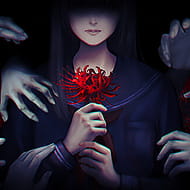
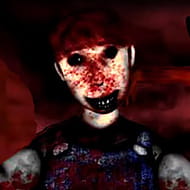
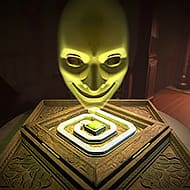
What happens when a theme park stops pretending to be fun and starts actively trying to kill you? That’s the question Twisted Tower opens with, dropping you onto a beach beneath a rusted, looming structure that used to be somebody’s dream and is now very much somebody’s nightmare.
| Genre | First-person action-horror |
| Platform | PC |
| Setting | An abandoned 1950s carnival built around a tower |
| Core Mechanic | First-person combat and grapple-based traversal |
Climbing the Tower’s Five Floors in Twisted Tower
The structure is split into five distinct floors, each themed around a different corner of the old park rather than just being a harder reskin of the last one. That variety is a deliberate choice, and it keeps the pacing from collapsing into repetition the way a lot of vertical-progression shooters do.
Early floors ease you into the toolkit with lighter enemy density and simpler layouts, while later ones start layering traps on top of combat encounters rather than treating them as separate problems. By the time you reach the upper floors, the game expects you to be reading a room for hazards before you’re even thinking about a fight.
Runtime for a single playthrough lands around four to six hours, which is short by open-world standards but tight and deliberate by design — there isn’t much padding between one floor and the next.
It’s a structure that rewards players who explore rather than sprint upward, since a lot of the game’s best moments are tucked into side rooms most people would otherwise skip.
Vincent, Charlotte, and the Shadow of V.C. Twister
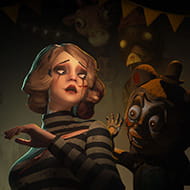
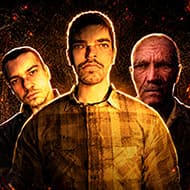
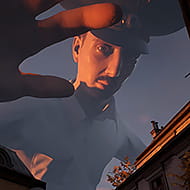
You’re playing as Vincent, and the entire climb is framed around getting to Charlotte, who’s being held somewhere near the top. That personal stake gives Twisted Tower a narrative backbone that a lot of horror shooters skip in favor of pure atmosphere.
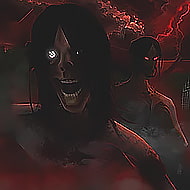
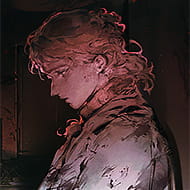
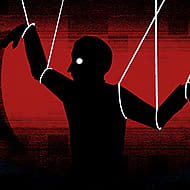
Looming over the whole park is V.C. Twister, the former actor and director whose fingerprints are on every corrupted attraction you pass through. He’s less a boss you fight early and more a presence the game keeps circling back to, which builds dread more effectively than a straightforward villain encounter would.
The voice work carrying these three characters is stronger than most indie horror games attempt, and it’s a big part of why the story beats land instead of just serving as connective tissue between combat rooms.
Toy Weapons and the Mallet’s Surprising Range
Every weapon in the game is built around the carnival’s toy aesthetic, which sounds gimmicky until you’re actually using one mid-fight. The mallet in particular gets brought up constantly in player discussions — it looks like a joke weapon and ends up being one of the more satisfying tools once you learn its timing.
Ranged options lean into the same theme without sacrificing actual utility, and switching between them fast becomes a real skill once enemy variety picks up on the middle floors.
Newcomers often default to whatever weapon feels most “normal” and ignore the stranger options, missing out on some of the encounters that were clearly designed around a specific toy’s quirks.
Grappling Between the Water Park and the Merry-Go-Round
- The grapple lets you cross gaps and reach ledges that regular movement can’t touch, turning traversal into its own small puzzle layer.
- The water park section uses it for horizontal swings across open pools rather than the vertical climbs seen elsewhere in the tower.
- The merry-go-round area repurposes the same tool for timing-based movement around a constantly rotating hazard.
Reviewers have compared the grapple’s presence here to other genre staples, and while that comparison isn’t unfair, the tool earns its place by being tied directly to specific set pieces rather than feeling bolted on.
Corrupted Mascots and How They Attack
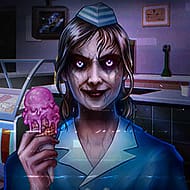
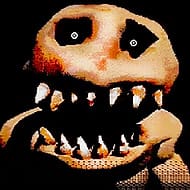
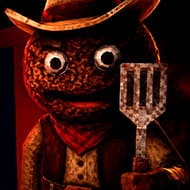
The enemies scattered through the tower are corrupted versions of what were presumably once cheerful park mascots, and the design leans hard into that contrast — cartoonish shapes with genuinely unsettling movement and attack patterns.
Combat encounters escalate honestly rather than just throwing more enemies at you. Once you reach the water park floor, mascots start using the environment itself against you, which is the point where a lot of players say the game’s difficulty curve actually starts to bite.
Community discussion around enemy design tends to split fans and critics, with some finding the mascot horror genuinely effective and others feeling the middle floors lean a little too hard on jump-scare timing rather than sustained dread.
Puzzles, Traps, and the Carnival Treats That Heal You
Puzzle design throughout the tower stays grounded in the carnival setting rather than feeling like generic filler between fights. Traps are usually telegraphed just enough to reward attentive players without making careless ones feel cheated.
Scattered carnival treats function as the game’s healing system, tying resource management back into the theme instead of using a generic health pack. It’s a small detail, but it’s the kind of thing that comes up constantly in player impressions of the game.
Currency balance is one of the more debated aspects of Twisted Tower — some players find the economy for weapon upgrades a little stingy on a first run, which is a fair criticism even from people who otherwise loved their time with it.
What Makes Twisted Tower Worth the Climb
How many floors are in Twisted Tower?
There are five floors total, each built around a different themed section of the park, from the beach entrance up through the water park and merry-go-round areas toward the top.
Who is Vincent trying to save in Twisted Tower?
Vincent is climbing the tower to rescue Charlotte, who’s being held by V.C. Twister, the figure responsible for the park’s transformation into its current corrupted state.
Is Twisted Tower a full game or a demo?
Twisted Tower released as a complete single-player game rather than an early access title, with a separate standalone demo available that covers the beach and the first couple of floors.
Between Vincent’s climb, the shadow V.C. Twister casts over every floor, and a grapple that actually earns its keep at the water park, Twisted Tower manages to make a familiar genre feel specific to its own carnival rather than borrowed from somewhere else.