



















XenoFeels
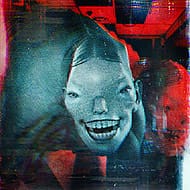

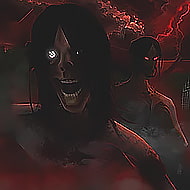









You slide the passport under the reinforced glass, and the alien on the other side smiles with one row too many teeth. The photo on file shows the same face, same uniform, same travel stamp from Dearth’s outer ring. Everything checks out — except the stamp is dated a week in the future. That single detail is the whole game in miniature: XenoFeels rewards the player who slows down and punishes the one who trusts a first impression.
| Genre | First-person space customs inspection simulator |
| Setting | An asteroid checkpoint booth outside the planet Dearth |
| Core Loop | Compare documents, photo, alien body, vehicle, plates, and cargo |
| Tone | Hand-drawn sci-fi horror with dark comedy |
The Six-Step Booth Routine
Every visitor who docks at your checkpoint moves through the same six checks, and the game never reshuffles that order: documents, photo, the alien’s body, the vehicle, the license plates, and finally the cargo. Early shifts only ask you to confirm that the face at the window matches the photo on file, which lulls a lot of first-time players into treating the whole thing as a formality.
That changes fast. By the time a second batch of visa fields gets added to the paperwork, the game has quietly taught you to distrust anything that looks too clean. Veteran players describe this stretch as where the “spot the difference” identity of the loop really clicks into place — you stop scanning the alien for something obviously wrong and start scanning the file for something subtly off.
Players who enjoy methodical, checklist-driven play tend to thrive here, since nothing in the demo punishes taking your time with a visitor. Unlike a stopwatch-driven inspection game, a shift in XenoFeels gives you a fixed number of arrivals rather than a ticking clock, so the pressure comes from your own nerves, not a timer.
Why the Documents Lie Before the Alien Does
The single biggest beginner mistake is jumping straight to the alien’s face and ignoring the paperwork sitting right in front of you. Forged plates, mismatched cargo declarations, and swapped ID numbers are all planted in the documents themselves, and they’re often easier to catch than a disguise.
Small render details matter more than you’d expect. Lowercase “i” and lowercase “l” sit close enough together on some forms that players regularly misread a valid document as fraudulent, and headlight shapes on vehicle screens can be genuinely hard to tell apart at a glance. This is exactly the kind of friction the community complains about openly — it’s a legitimate, divisive rough edge rather than a hidden flaw, and most players who stick with the demo learn to lean in closer instead of trusting the first read.
- Read every field on the file before looking up at the visitor
- Treat a “clean” first look as a reason to check twice, not a reason to approve
- Compare the vehicle screen at full attention — modifications hide in silhouette, not color
When the Shift Starts Playing Tricks on You
XenoFeels layers a stress system underneath the inspection loop, and it’s the part that turns a paperwork game into something closer to a slow-burn horror piece. The longer a shift runs, the more your own perception starts to work against you — objects in the booth shift when you’re not looking, and the game begins feeding you auditory cues that may or may not be real.
This mechanic is genuinely divisive among players. Some find it the game’s strongest idea, arguing it justifies the “psychological horror” label better than any single scripted moment could. Others feel it doesn’t fully land yet, since the sanity effects can distract from the deduction work that makes the loop satisfying in the first place. Both reactions show up constantly in early impressions, and neither side is wrong — it’s simply a system still finding its footing.
Players drawn to atmosphere over mechanics tend to forgive the rough spots here, since the sarcastic radio chatter from your supervisor and the slow environmental shifts do a lot of work building dread without a single jump scare.
Deciding, Shooting, and Living With It
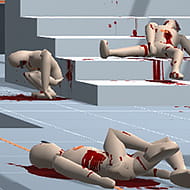
Every inspection ends in one of three calls: approve the visitor, turn them away, or reach for the service shotgun sitting beside you. The game doesn’t soften that third option — the tone around it is bleakly comic, framing anything you get wrong as easily dismissed “collateral damage” by the people who employ you, which tells you a lot about the world you’re working in without a single cutscene.
Choices carry weight beyond the immediate shift, and the demo makes clear that the full release is built around multiple endings shaped by the calls you make. That single structural fact is worth knowing before you start: nothing about who you let through Dearth’s checkpoint is disposable.
Is XenoFeels scary or mostly just dark comedy?
Both, and the balance shifts as a shift goes on. Early inspections lean on sarcastic dialogue and absurd alien designs, while the stress and hallucination mechanics push later stretches of a shift toward genuine unease. It’s built as an inspection routine first, not a jump-scare showcase.
Do I need to memorize alien species to play XenoFeels well?
No. The clues live in the documents, the vehicle, and the plates far more than in memorizing what a given species should look like. Careful reading beats memorization for almost every discrepancy the game throws at you.
What happens if I approve someone I shouldn’t have?
The consequences are narrative rather than an instant game over, feeding into the choice-driven ending structure rather than simply ending your shift. A wrong call becomes part of the story the game is telling about you, not just a failed checkpoint.
Strip away the shotgun and the horror lighting, and XenoFeels is still, at its core, a game about learning to trust a document over a face — and about what happens the first time you get that trade-off wrong at the checkpoint outside Dearth.