












Don’t Drop The Cake

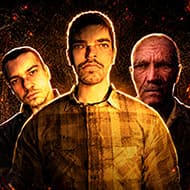










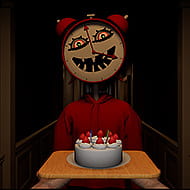
Don’t Drop The Cake looks like a joke about carrying dessert through a haunted building, but it plays like a genuine test of nerve — the moment a jumpscare makes your hand twitch, the cake wobbles, and there’s no undo button for a shaking mouse hand.
| Genre | First-person horror, 3D platforming, story-driven |
| Core mechanic | Mouse-controlled cake balancing while navigating threats |
| Content available | Prologue and Demo builds, ahead of a full release |
| Perspective | Single-player, first-person |
| Content warning | Mild bloodshed and mature content in later builds |
Why the Cake Is the Real Enemy in Don’t Drop The Cake
Most horror games hand you a flashlight or a weapon as your primary tool. Don’t Drop The Cake hands you a cake, and the entire challenge is keeping it upright with mouse movement while everything else in the environment tries to make that impossible. The wobble physics respond to your actual hand motion, which means a startled jerk at a jumpscare is functionally the same as a bad platforming input — both put the cake at risk.
That design choice is what separates this game from a straightforward chase horror title. You’re not just avoiding creatures, you’re managing a second, constant task on top of avoiding them, and the tension comes from splitting attention between the threat in front of you and the balance meter you’re barely watching out of the corner of your eye.
The framing text leans into this directly, daring players who claim fear isn’t in their vocabulary to prove it with steady hands rather than brave words. It’s a small piece of writing, but it sets up exactly what the mechanic is testing before a single monster shows up.
Twisted Beings, Traps, and the Prologue’s First Stretch
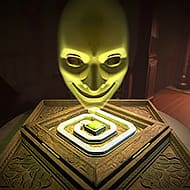
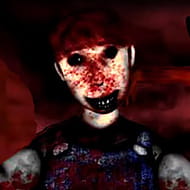
The prologue version covers the first stage of the eventual full release, and even at that early scope it introduces uniquely designed threats the game calls twisted beings — creatures built specifically for this world rather than reused horror archetypes. Alongside them are dangerous traps woven into the path itself, so avoiding one hazard often means walking straight into the setup for another.
Because the cake mechanic never pauses, encountering a twisted being isn’t purely about line of sight or hiding — it’s about whether you can react to it without your mouse hand betraying the cake’s balance in the process. Players comparing notes on the prologue and demo describe this as the game’s real skill ceiling: reading a threat calmly enough that your evasive movement doesn’t double as a wobble trigger.
Traps scattered through the early stage add a second layer on top of that, since some hazards punish speed and others punish hesitation, and figuring out which is which usually costs a dropped cake the first time through.
What the Demo Reveals That the Prologue Doesn’t
The Demo build expands meaningfully on the Prologue rather than simply repeating it, adding story elements that finally start answering the game’s central question: who is this cake actually for? That mystery sits underneath every stage, giving the balancing mechanic a narrative reason to matter beyond pure challenge.
Save data from the Demo is designed to carry forward into the full release, so progress made now isn’t disposable, which matters for players deciding whether to invest time before every stage exists. That continuity is a deliberate signal from the roadmap rather than a side note — the developers have described more stage details arriving as the full release gets closer.
One thing the community keeps circling back to in discussion threads is how unforgiving the wobble feels on a first attempt, before a player has learned to separate genuine hand-shake from intentional movement. That learning curve is divisive: some players find it exactly the kind of tactile fear the concept promises, others find the early stumbles frustrating before the rhythm clicks.
How does the cake-balancing mechanic actually work in Don’t Drop The Cake?
The cake wobbles continuously and responds directly to mouse movement, so both intentional dodges and involuntary jumpscare reactions can tip it. Keeping the cake upright requires smoother, more deliberate mouse control than most first-person horror games ask for, since panic itself becomes a gameplay input.
Is the Demo build connected to the eventual full game?
Yes — completing the Demo carries save data forward into the full release, and the Demo already expands on the Prologue with story content explaining who the cake is being delivered to, a mystery the Prologue alone doesn’t resolve.
What kinds of threats appear in the early stages?
The Prologue introduces twisted beings alongside environmental traps, some rewarding fast movement and others punishing it, which forces players to read each hazard individually rather than relying on one strategy throughout.
Whether you’re clearing the Prologue’s opening stretch or chasing the story threads unlocked in the Demo, Don’t Drop The Cake keeps its promise simple and unglamorous: hold the cake steady, let the twisted beings do the rest of the scaring, and find out exactly why this delivery mattered enough to risk everything over a dessert.