


















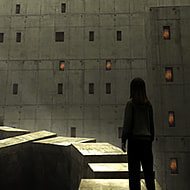



House of Empty Names


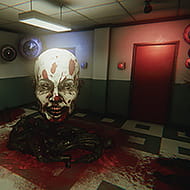






What actually happens once you make a sound in House of Empty Names? Not a jump scare, not a scripted event — the house genuinely listens, and the answer to that question shapes every decision for the rest of the playthrough.
| Genre | First-person survival horror, exploration |
| Length | Roughly two to three hours per run |
| Perspective | First person |
| Core Loop | Explore, hide, manage limited inventory, escape |
Waking Up in House of Empty Names Without a Kidney
The premise is delivered with almost no ceremony. You come to on a cold floor inside an unfamiliar house, already missing a kidney, already understanding that whoever put you there intends to take more. There’s no tutorial popup explaining objectives beyond one sentence: get out, by whatever means you can manage.
That bluntness is part of why the opening lands. Instead of easing you in, House of Empty Names drops you straight into the middle of a situation you’re already losing, and the disorientation of the first few minutes is deliberate rather than a design accident.
Reddit threads and Steam discussions about the game tend to open the same way every time, someone asking what genre this even is — proper action-adventure, or a straightforward run-and-hide horror game. The demo hints at the latter, and most players who finish it agree the full version leans the same direction.
Every Sound You Make Reaches the Predator
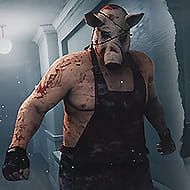
The house’s occupant is described in the game’s own materials as a thinking, intelligent predator, and that description holds up in practice. He hears footsteps, he hears doors, and he adapts his search pattern based on where you’ve already been rather than following a fixed route.
Sprinting through a hallway to save time is almost never worth the noise it generates. Players who treat every room like it’s being actively listened to tend to last considerably longer than players who rush.
The Pizza Delivery Scene and Its First Real Choice
One of the earliest talked-about moments has you stepping outside to deal with a pizza delivery, an oddly mundane task dropped into an otherwise dread-soaked setup. It’s a small scene, but it’s also the first real test of whether you’ve learned to move quietly yet.
Performance during this section has drawn complaints in the demo specifically, with frame rate dropping noticeably once you’re outside the house, even on strong hardware. It’s a rough edge worth knowing about going in rather than mistaking for a hint or a scripted slowdown.
Managing a Limited Inventory Under Pressure
Inventory space in House of Empty Names is intentionally tight, and item sizes vary enough that you can’t just hoard everything you find. Deciding what to carry becomes its own layer of tension separate from the predator himself.
- Prioritize items you know unlock a specific door or path over ones with unclear use
- Drop bulky items once you’ve used their one relevant interaction
- Keep at least one slot free for whatever you find while already being chased
Combining Items to Open New Paths
Several obstacles only give way once you’ve combined two items you found separately, a system pulled fairly directly from classic survival horror design. The game rarely tells you which items pair together, so a fair amount of the middle stretch is genuine trial and error under time pressure.
Item-hoarders tend to struggle here because they’re carrying too much dead weight to experiment freely, while players who travel light can test combinations faster.
Hiding Spots That Actually Work in House of Empty Names
Not every closet or gap under furniture behaves the same way once the predator is actively searching nearby. Some hiding spots buy you real time; others just delay the inevitable by a few seconds. Explorer-minded players who scout hiding spots before they’re needed consistently report smoother runs than players who search for cover only once they’re already being chased.
What a Two-Hour Escape Actually Feels Like
By the time you’re closing in on an exit, the sound design has usually taught you more about the predator’s patterns than any explicit game system did. That’s the throughline players mention most in reviews — a short runtime that still manages to build real dread through repetition and consequence rather than length.
- Is House of Empty Names a stealth game or a shooter? It plays as stealth-first exploration and hiding, despite some FPS and shooter tags on its store page; direct confrontation is rarely the intended solution.
- How long does a full playthrough take? Official listings put a complete run at roughly two hours, though the demo build states closer to three, depending on how much you explore before committing to an exit.
- Does House of Empty Names have achievements? As of the current build it does not, something players have specifically requested for a completed run through the house.
House of Empty Names earns its dread the slow way, through a predator who genuinely reacts to your mistakes rather than one running a script, and through small human details like that pizza delivery scene that make the house feel lived-in before it turns hostile. Missing a kidney and short on time, you either learn to move quietly or you don’t leave.