



















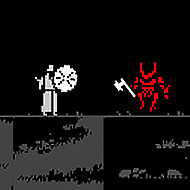




POOL LOOP
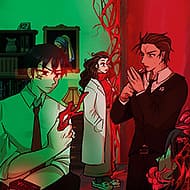
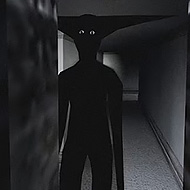


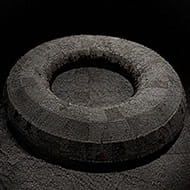








In POOL LOOP you start trapped inside an indoor swimming pool with a single decision in front of you: red or green. Nothing explains what the pool should look like, which matters because every choice depends on noticing the exact moment something feels wrong.
| Genre | First-person psychological horror and observation puzzle |
| Setting | A looping indoor swimming pool |
| Core choice | Red if something is wrong, green if it is not |
| Inspiration | Liminal-space and observation-based horror |
| Mode | Single-player |
The Red and Green Button Rule in POOL LOOP
The whole game fits in two instructions: if anything feels wrong, press red, and if it does not, press green. Everything else is observation. The loop in the name means you will keep returning to the same pool, so your memory of how it looked a moment ago becomes your most important tool.
Fans of observation horror will recognize the structure from The Exit 8 and The Cabin Factory, which the developer’s note lists among its inspirations alongside INSIDE. Players in that corner of horror use the word anomaly for anything out of place, and the same vocabulary fits here, even though the setting is a surreal indoor pool rather than a train station corridor.
Pressing too fast is the quickest way to miss something.
Inspecting the Pool Before You Press
The store description tells you to inspect the pool carefully and decide whether it is safe. Because the tags include logic and puzzle alongside walking simulator, the decision is closer to reasoning than to reflexes, and patience is rewarded far more than speed.
Red button: Press red when anything feels wrong. The instruction is deliberately vague, so a small instinct that something has shifted is enough of a reason to commit.
Green button: Green means the pool matches what you expect. The danger is false confidence, because pressing green on autopilot is the fastest way to stop paying attention.
Memory: Because the pool loops, every pass is a comparison against the last one. Moving slowly and looking at the same areas in the same order should make differences easier to catch.
Liminal Dread and the Debate Around POOL LOOP
An empty indoor pool sits squarely in liminal space territory: a familiar place made uneasy by the absence of people. The realistic and surreal tags suggest that ordinary surroundings carry the tension, so small wrongness stands out more than any loud scare would. Players who enjoy slow atmospheric horror will feel at home, while those who want fast action may find the pace too quiet.
There is also an honest debate to mention. The store page discloses that some AI-generated assets are used in the game, which matters to some players and not to others. Observation loops can also feel repetitive for anyone who wants more story variety, and it is not yet clear from the description how much the choices matter tag changes the outcomes.
Early in the game you probably learn the rhythm quickly, and by the time you have seen the pool several times you start doubting your own memory. That doubt is the point of this style of horror.
Questions About Pressing Red or Green
What do the red and green buttons do in POOL LOOP?
Red is for when anything feels wrong, and green is for when the pool seems safe. That single decision is the core of the game, so each press is a judgment about what you saw during the last pass.
Is POOL LOOP similar to The Exit 8?
It shares the observation-based approach and the liminal setting, and The Exit 8 is named as one of its inspirations along with The Cabin Factory and INSIDE. The setting here is an indoor pool, and the surreal and choices matter tags hint at a different tone.
How do I know when something is wrong in the pool?
The description says that if anything feels strange, you should get out right away. Compare each pass with the one before it and trust your first instinct about the room, then press red as soon as the feeling becomes clear.
POOL LOOP rewards the player who stays calm, studies the pool a little longer than feels comfortable, and commits to red or green only when the feeling is certain. Once the loop starts repeating, your own memory of the pool becomes the only clue you can trust.