














Parasomnia: No REM




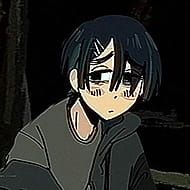
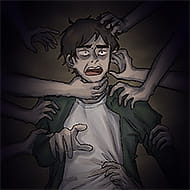

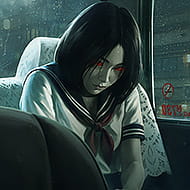
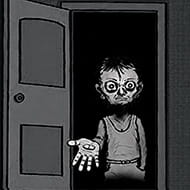
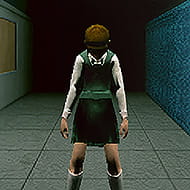
What happens when the line between your bedroom and your nightmares stops holding? Parasomnia: No REM builds its entire premise around that question, casting you as Levi, a man dealing with insomnia and sleepwalking episodes tied to a family tragedy from ten years earlier. The opening stretch plays almost like a quiet exploration segment, letting you comb through Levi’s home for documents and objects, right up until the moment his sleepwalking pulls the game somewhere else entirely.
| Genre | First-person psychological horror, puzzle |
| Platform | Windows |
| Status | In development, free demo available |
| Perspective | First-person |
Close Eyes and the Logic of the No REM State
The central mechanic in Parasomnia: No REM is called Close Eyes, letting Levi shut his eyes to reveal details hidden within the dream-warped version of his surroundings. It sounds like a small feature on paper, but it becomes the tool you lean on constantly once the sleepwalking sequences begin, since the game frequently hides clues, paths, and threats behind that single input. Once you understand that the No REM state isn’t just a aesthetic skin over the same rooms but an actual second layer with its own rules, you start approaching every space more carefully, checking both states before committing to a direction.
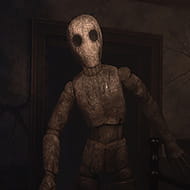
Beginners tend to treat Close Eyes as an occasional puzzle trigger rather than a constant habit, which means they miss environmental information that the awake state simply doesn’t show. Once you reach the point where a puppet-like figure begins tracking your movement through a room full of staring dummies, the mechanic stops being optional and starts being the difference between progressing and getting caught.
Doors, Puzzles, and What Parasomnia Asks of Players Early On
Recent updates reworked how doors behave, adding physics and inertia so that swinging one shut produces a sound proportional to how hard you shut it, a small detail players have singled out as surprisingly effective for tension. Puzzles throughout the demo are framed as fragmented memories rather than generic lock-and-key objects, which fits the story’s focus on a protagonist piecing together what actually happened to his family. This framing gives even simple interactions, like pulling a sheet off something covered on a basement floor, a weight that a typical horror game item-hunt usually skips.
- What is the No REM state in Parasomnia? It’s the game’s core horror mechanic: a merged reality where Levi’s waking home and his sleepwalking nightmares overlap, forcing players to treat the same spaces differently depending on which state they’re in.
- Do I need to finish the full story to understand the demo? No. The current free demo is a self-contained 10 to 15 minute sequence built specifically to introduce Close Eyes, the door system, and the puppet chase without requiring context from the eventual full release.
- Is Parasomnia: No REM finished or still in development? It’s still in development, with BELS Games actively iterating on the demo based on player feedback about pacing, controls, and the Close Eyes transition speed.
Players who prefer environmental storytelling over direct exposition tend to get the most out of the demo’s home-exploration opening, since most of what you learn about Levi’s father and missing family comes from notes on a wall rather than dialogue. Meanwhile, jump-scare-focused players gravitate toward the later sleepwalking segment, where the demonic-doll pursuer and the room of staring dummies do most of the heavy lifting. Both camps show up frequently in comment sections, sometimes arguing over which half of the demo is actually the stronger one — a genuinely divisive point among people who’ve played it.
Parasomnia: No REM has clearly shifted its demo philosophy over time, trimming a roughly 40-minute build down to a tighter 10 to 15 minute version aimed at convention floors and shorter attention spans, while keeping the psychological weight of Levi’s story intact. It’s a small game still finding its final shape, but the pairing of Close Eyes with a story built on repressed memory already gives it a hook few horror demos manage this early.