












Aisles of the Locust







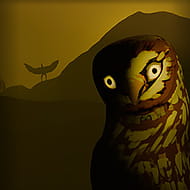
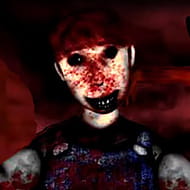
In Aisles of the Locust you start outside a dilapidated supermarket with your mom’s grocery list, a shared pool of three lives on Normal difficulty, and a noise meter sitting at the bottom of the screen. That last detail matters more than the list itself, because the store is built so that quiet is the real currency and the Locust listens to every bump of a cart. Co-op squads and solo players alike learn within one day that this is a stealth game wearing the costume of a shopping trip.
| Genre | Co-op horror with stealth elements |
| Setting | A dilapidated supermarket that goes dark each night |
| Run length | Three days, and surviving the day three cash-out wins the run |
| Daily quotas | 8 items, then 12, then 16 |
| Main hazards | The Locust, landmines, ghost shoppers, armed shoppers |
| Safe spot | The entrance safe zone at the front checkout |
Reading the Grocery List in Aisles of the Locust
The grocery list is a live quota rather than a checklist you can copy from a guide. The HUD at the top left shows a counter such as 0/8 beneath a line telling you how many days remain to fill the order. Press M and the marked groceries show their names, and because those names change from run to run, the list in a video will rarely match the one on your screen.
Quotas grow as the run goes on: 8 items on day one, 12 on day two, and 16 on day three. One recorded day-one list asked for bread, cereal, flour, and canned beans, while a later 16-item list included potatoes and garlic. Early in the run the quota feels generous, but by the time you reach the last day it sends you across the whole store.
Beginners grab anything that looks like food, yet only listed items count, so every unmarked product is wasted time and wasted noise. Players who enjoy route planning will scan the marked items first and walk one efficient lap instead of zigzagging between shelves.
The Noise Meter and Sneaking Through Aisles of the Locust
The bottom left of the HUD shows your lives and the noise meter, and the meter is the single most useful readout in the game. Hold Control to sneak, and watch the bar rise whenever you sprint, bump a shelf, or ram the cart into something solid. A cart colliding with shelving is one of the loudest things you can do.
An NPC warning puts the rule plainly: do not be loud, because the Locust listens to the aisles. Players who treat the meter like a speed limit tend to survive longer than those who sprint between shelves and hope for the best.
The trade-off between moving fast and staying quiet is the central tension of the design. Some players find sneaking slow until they learn the store layout, and that slow start is a fair criticism, but memorising where the groceries sit turns each later lap into something smoother.
How the Locust Hunts by Sight and Flashlight
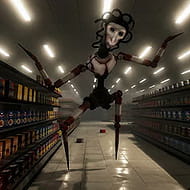
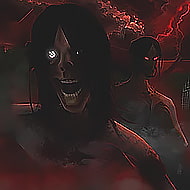
The Locust is a distorted insectoid humanoid that patrols the aisles. Written guides say it hunts by sight and flashlight exposure rather than sound alone, while gameplay shows that noise pulls it toward you as well. Treat both senses as dangerous and you will avoid the most common deaths.
Audio cues tell you how much trouble you are in. If you hear clicking nearby, kill your flashlight and go still, and if you hear the scream, stop moving instead of bolting. A heartbeat cue means the Locust still knows where you are, so keep working on breaking its line of sight.
Breaking a chase works sideways, not forward. Weave through broken shelving gaps rather than running down the long open center aisle, since every shelf between you and the Locust breaks its view. Stealth purists lean on hiding and stillness, while speed-minded players rely on shelving cover and escape tools, and both styles work when the central corridor is avoided.
Blackout Nights and the Flashlight Problem
Each day has a shopping window while the lights are on, and then the store goes dark. Once the lights die you are issued a flashlight, and recorded players describe its help as limited. It lights the way, but it is also how the Locust spots you in the first place.
Blackouts change the aisle, turning familiar shelves into unfamiliar shapes and making landmines far harder to read on the floor. Front-loading the list before dark is the single most reliable habit, because a half-finished quota at nightfall forces you to shop while the store is most dangerous.
Upgrades for night vision, stamina, and quiet are available in the shop between days, and players who keep dying in dark chases usually fix the problem there. Expect the later nights to feel noticeably tenser than the first, since the quota and the darkness arrive together.
Landmines, Ghost Shoppers, and Armed Shoppers
Beyond the Locust, the store hides several hazards that end runs just as reliably, and recognising them early saves lives.
- Landmines: explosive floor traps in the aisles that kill instantly, so scan the floor and step around anything box-like.
- Ghost shoppers: pale, unresponsive shopper figures that are best ignored while you keep facing them.
- Armed shoppers: robber gunfire draws the Locust to the area, so give shootouts a wide berth.
Landmines cut both ways, because the Locust can set them off too, and luring it across one is a known trick. It is not guaranteed against every threat in the store, so use it as a bonus rather than a plan.
Honesty matters here: reports about ghost shopper hostility conflict between runs, and the community is still mapping which hazards behave consistently. On a later 16-item day a Black Friday rush of hostile shoppers can join the Locust, so the safest approach is to treat every unfamiliar shape as dangerous until you know better.
The Between-Day Shop: Noise Makers, Red Pepper, and Upgrades
Finishing a day pays money, and the shop opens between days so you can spend before the next list arrives. One of the most useful purchases is the noise maker, which you throw to create a distracting sound away from you so the Locust investigates the noise instead of you.
The red pepper is the go-to escape tool during a chase. It is found among the store aisles, and eating it gives a large speed boost, measured at about 40 percent faster in recorded runs. Experienced players keep a pepper in reserve for the moment a chase turns bad.
If you are dying in chases, upgrades to stamina, quiet, and night vision usually help more than a payout book. Min-maxers will test different spending orders, while newer players are better served by fixing whatever killed them last.
Co-Op Roles and the Entrance Safe Zone
A typical day follows a simple loop, and squads that stick to it waste far less time.
- Read the HUD and press M to see the marked items.
- Split the aisles and sneak with Control held down.
- Drop finds into the shared cart and regroup.
- Cash out inside the entrance safe zone and wait for every survivor.
- Spend in the shop, then ready up for the next list.
List pickups are shared across the squad, but the exit is not, so everyone has to reach the safe zone before anyone readies up. The Locust is reported to leave you alone inside that zone, which makes it the natural place to regroup after a bad lap. Side errands with Lily, Edna, and Tobias give co-op groups extra reasons to spread out.
The final escape is where caution is warranted. Guides disagree about extra steps such as a staff access card, and what happens after day three is still debated, so treat any claim about the ending with care. Squads who simply focus on quotas, noise, and light discipline tend to get further than those chasing unconfirmed shortcuts.
Questions About Aisles of the Locust Players Keep Asking
How many items do you need each day in Aisles of the Locust?
Day one asks for 8 items, day two asks for 12, and day three asks for 16. Only the marked groceries count, and the names change between runs, so press M to see what you actually need. Bring everything to the front checkout and cash out inside the entrance safe zone.
How do you escape the Locust during a chase?
Kill your flashlight, break its line of sight through shelving gaps, and never sprint down the central corridor. Eating a red pepper gives a big speed boost, and a thrown noise maker can pull its attention away from you. Hiding in stillness works better than running in open ground.
What should I buy first in the between-day shop?
If chases keep killing you, put money into stamina, quiet, and night vision before anything else. A noise maker is a cheap emergency tool that helps both solo players and squads. Save any bigger purchases for after you understand what is ending your runs.
Aisles of the Locust is at its best on the third day, when a 16-item quota, a flickering flashlight, and a red pepper saved for the last chase all come down to one quiet walk back to the safe zone. That tense, whispered dash past the Locust is what turns a grocery list into a story worth retelling.