









Traffic Jam 3D
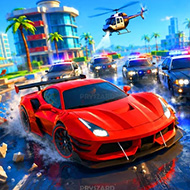
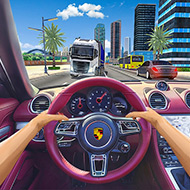
Why does the radar camera always seem to flash when a bus pulls into your lane? That is the question every new driver asks in Traffic Jam 3D, a highway racing game where you thread through dense traffic, chase checkpoints and earn cash to unlock faster cars, all while one clipped bumper can end the run.
| Genre | 3D traffic racing |
| Core goal | Drive fast through traffic without crashing |
| Progression | Earn cash to buy and upgrade cars |
| Challenge type | Checkpoints, distance and speed targets |
| Controls | Arrow keys or WASD to steer, accelerate and brake |
Weaving Through Lanes in Traffic Jam 3D
The road is crowded with sedans, trucks and buses moving at different speeds. Your job is to keep your speed high and pass them cleanly, using gaps that open and close every few seconds. The faster you go, the more points you earn for near misses, which pushes you to take risks you would normally avoid.
Beginners tend to brake too much, and the highway punishes it.
Braking hard in heavy traffic often causes the crash it was supposed to prevent, because the cars behind keep coming. Experienced drivers prefer small steering adjustments and early lane changes. Players who like arcade racers with simple controls will feel at home almost immediately.
Checkpoints, Cash and Car Upgrades
Some challenges ask you to reach checkpoints before the clock runs out, while others focus on distance or on hitting high speeds near traffic. Every run pays cash, and cash buys new cars or upgrades for speed, handling and braking. A stronger engine makes checkpoint runs easier, but better handling is what saves you in tight gaps.
By the time you unlock the faster cars, traffic density feels very different. A gap that was comfortable in a starter car closes almost instantly at top speed, so the game gets harder as your car gets better.
That balance is clever, because progression never makes the highway feel trivial.
Reading Buses and Trucks at Speed
Heavy vehicles behave differently from sedans. Buses and trucks are slower, longer and more likely to block two visible gaps at once, so they shape the whole road ahead. Experienced drivers look two or three vehicles ahead rather than at the bumper in front, picking a lane that will still be open a few seconds later. The radar camera bonus also rewards staying fast through those blocked sections, which tempts you into riskier passes.
Score chasers tend to hug the line between lanes, because a near miss on both sides counts for more points. That style looks reckless, but with good handling upgrades it becomes the most profitable way to drive.
A useful habit is changing lanes early, while a gap is still wide, instead of waiting until the car ahead is close. Early moves need only a tap of the steering key, while late moves need a sharp swerve that often clips a neighboring car. That one adjustment cuts crashes dramatically on the busiest stretches.
What Divides Traffic Jam 3D Players
Some players love the simple loop, while others say the traffic patterns feel random and occasionally unfair, especially when a truck changes lanes at the last moment. The physics are arcade-like, and collisions can feel abrupt, which frustrates players who expect more realistic handling.
Grinding cash for the best cars is the other common complaint. It takes many runs to unlock everything, which completionists enjoy and casual drivers find slow.
Still, a short run is quick enough that most players keep retrying anyway. One more attempt is always tempting.
Traffic Jam 3D is at its best when you trust small steering moves, chase near misses for points and spend your cash on handling before raw speed. Learn how buses and trucks drift between lanes, and every checkpoint run starts to feel like a skill test instead of luck.