


















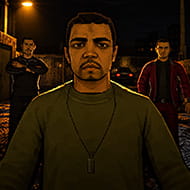

Never Made It Home


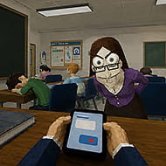










The finished tickets in Never Made It Home are not the end of Shane’s night, because the empty office is only the quiet half of a story that really begins on the walk home. It is a short first-person psychological horror walking simulator about a night shift, a silent street and the feeling that someone is following you.
| Genre | First-person psychological horror, walking simulator |
| Setting | A night shift in an empty office, then the walk home |
| Length | Short |
| Platforms | Windows, Linux and Android |
The Night Shift That Opens Never Made It Home
Shane Dela Cruz is an overseas Filipino worker finishing a long night shift in 2005, and the setup is deliberately ordinary: a coworker’s shift to cover, tickets to close, an office with nobody else in it. That routine matters because the game borrows its dread from how normal everything looks right up to the moment you leave the building.
Once the tickets are done and the street goes quiet, the story tells you plainly that someone is following you. From that point the ordinary shift is over and the walk becomes the whole point.
Because it is a walking simulator, nothing here asks you to fight. Your verbs are to walk, look and keep going, and the fear comes from the sense of being followed.
How the Fear Builds Without Chases
The official description promises tension, isolation and the kind of fear that builds quietly rather than through constant shocks. In practice that means the empty office and the dark street do most of the work, and the pacing is closer to a slow walk than a sprint.
- An empty office after the last ticket is closed
- A quiet street on the walk home
- A follower you never get to confront
- Gaps the official record never explained
The page frames the story as Filipino horror built on local sensibilities and quiet cruelty rather than monsters. Narrative fans will care most about those gaps in the record, because the mystery tag points to questions that stay open after the credits.
Quiet horror like this lives or dies on pacing, which is why the walking simulator label matters. There is nothing to optimize, only the distance between you and whatever is behind you.
What Divides Players About Never Made It Home
The honest complaint is that it is short and slow. Anyone expecting chase sequences, weapons or puzzles will find a walk with a story attached, and the walking simulator tag is a fair warning. Players who enjoy that pace will call the restraint a strength.
The ambiguity is the other divider. A longer follow-up chapter is in planning that continues the story years later with a new lead trying to understand the gaps in the record, and the original is staying as it is. No release window has been given.
A smaller complaint is that a short story with open gaps can feel unfinished. Readers who want every question answered by the end of one walk will be frustrated, while readers who like to argue about what the record left out will be happy.
Practical Notes for Never Made It Home
Searches for a walkthrough usually come down to one answer: keep walking and keep looking, since the tags describe a narrative walking simulator rather than a puzzle game. There is no combat to prepare for.
Is it scary? It leans on tension and isolation instead of constant jump scares, so it suits people who like psychological dread more than shocks every minute. A phone is fine too, since an Android build sits alongside the Windows and Linux ones.
For the best result, play once without hunting for secrets. Let the ending sit before you decide what the gaps in the record mean.
Never Made It Home is a short walk with long consequences: the closed tickets, the empty office and the footsteps behind Shane. If you like horror that trusts a quiet street to do the scaring, that follower will stay with you well after the last ticket.