







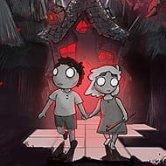
Tiles of Grimmwoods





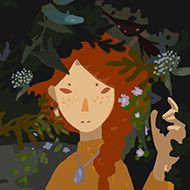
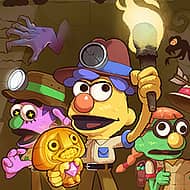
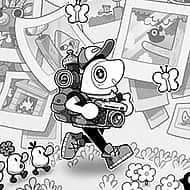
The paper scroll in Tiles of Grimmwoods does not behave like a normal card board, because every tetris-like tile you place decides what the lost kids will walk into next. You play as the narrator of a fairy tale, lighting a path through a dark forest one piece at a time, and the story only moves where you draw it.
| Genre | Roguelike deckbuilder with tile placement |
| Core mechanic | Placing and rotating tiles on a paper scroll grid |
| Setting | A haunted forest inspired by Grimm fairy tales |
| Players | Single-player |
Tile Placement on the Paper Scroll in Tiles of Grimmwoods
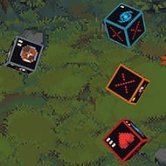
You pick a tile, rotate it, and set it on the grid. Whatever you reveal appears on the path, whether that is an item, an effect, or treasure, so the picture you build becomes the road the kids actually follow.
The central choice comes in two flavors: sneak past danger or face it head on for a possible reward. Beginners usually fill every cell, while experienced players leave deliberate gaps so no unwanted surprise lands in front of the kids.
Reviewers keep calling the loop clever and almost puzzle-like, which suits anyone who enjoys fitting pieces together more than reading card text.
Poisonous Apples, Traps and Branching Paths
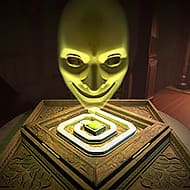
The forest is not kind. Poisonous apples and traps lurk in the shadows, and the same tiles that help the kids can hurt them if you place them carelessly. Early in a run the danger is manageable, but once tougher creatures appear every stray tile counts.
You can also turn the board on the creatures. Lay traps for them or strengthen the kids so they survive the encounter, because effects from placed tiles can hit both sides.
Branching paths add a map layer. You choose between elite creatures, merchants, treasures, and other mysteries of the forest, so a run is a string of risk and reward decisions.
Thinning the Deck and Stacking Enchantments
The deck is where long runs are won. You can add powerful new tiles, but you can also remove the ones you do not need, and a lean deck keeps your best pieces coming back.
Enchantments give the kids permanent boons that can make the difference between life and death. Once enchantments start stacking with clever tile placement, builds start to feel genuinely strong.
New characters with their own starting decks and abilities keep later runs fresh, so players chasing variety have reasons to come back. A run with a different starter feels like a different puzzle, because the tile shapes in your hand change what a good placement looks like.
The Frog King and Other Fairy Tale Bosses in Tiles of Grimmwoods
Bosses tie back to classic stories, and the Frog King is the one the demo put in front of players. By the time you meet a boss, your deck needs a plan, because the forest shifts with every step and a weak build gets exposed.
The game is relaxed enough for roguelike newcomers, but it can be unforgiving when every ability counts. A death ends the run, and that perma-death edge is the point.
The honest complaint is the interface. Some players find the UI small and miss full controller support, which matters on a handheld.
Questions Newcomers Ask Before Their First Run
- Do you control the kids directly? Not really, because you are the narrator and the kids follow the path you light. Your influence comes from which tiles you place and where, so the scroll is your whole toolkit.
- Is it hard for roguelike newcomers? It is gentler than most, with a cozy, puzzle-like feel. Still, perma-death and bosses such as the Frog King punish careless placement.
- Can you remove tiles from your deck? Yes, and experienced players do it often. Removing weak tiles and keeping strong ones makes each enchantment matter more.
Tiles of Grimmwoods turns fairy tale dread into a spatial puzzle: place the next tile with care, keep the poisonous apples and traps off the kids’ road, and be ready when the Frog King steps onto the scroll. Every tile is a small promise to the kids, and the forest remembers the ones you break.