














Alaris

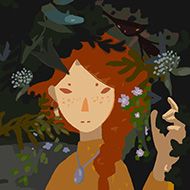







Alaris looks like a five-minute fantasy throwaway, the kind of short browser game you close after one screen, but it plays like a gut-punch conversation between two people where one of them might not come back. There’s no dungeon crawl and no boss health bar, just a mountain, a sunset, and two people who both know what’s at stake.
| Genre | Narrative / Interactive Fiction |
| Platform | Browser (HTML5) |
| Core Loop | Read dialogue, make one pivotal choice near the end |
| Setting | A mountain summit at sunset, before a final battle |
| Playtime | Roughly 5-10 minutes, about a thousand words total |
Alaris Trims a Fantasy Epic Down to One Scene
The premise is stripped to its bones: Seren, the hero of these lands, has nearly reached the summit needed to face a great evil, and before that climb finishes, Aerona, Seren’s fiancée, wants a word. That’s the entire plot. No inventory, no side quests, no lore dump. Alaris trusts that one conversation between two people who understand the odds is enough to carry the whole thing.
Beginners who click in expecting combat or exploration usually get thrown by how quickly Alaris ends. That’s the common mistake: treating the opening screen as a tutorial rather than the actual content. What shifts as you read isn’t difficulty but how heavy Aerona’s questions get, line by line, the closer Seren gets to leaving.
Fans of longer visual novels tend to read fast out of habit, skimming toward a choice point, when the writing here actually rewards slowing down.
The Sunset Conversation at the Summit
Once the sun starts dipping behind the peak, the tone shifts from quiet dread to grief that hasn’t happened yet. Seren has to decide how honest to be about the odds of coming back, and Aerona has to decide whether to let the moment end on comfort or truth. Neither choice is framed as correct.
What stands out most on a second read is a single environmental detail: the light doesn’t change again after that point. Once the sunset locks in place, it stays there for the rest of the scene, so the back half of the story happens inside a moment that has already passed. Readers who come to Alaris from tabletop-style fiction tend to notice that kind of detail first, the sort of stage direction a game master would call out.
Community reaction leans heavily on the word “gutting,” used often in comment threads for a piece this short. Some players push back on the ambiguous ending, wanting Alaris to confirm whether Seren survives; others argue leaving it open is the point, since the story was never about the fight past the summit.
Why Alaris Ends Before the Real Fight Begins
Alaris is explicitly a prologue moment, not a battle. It hints at a larger story without requiring you to know it already, and it doesn’t spoil whatever comes after. That framing matters for the ending: Aerona’s final line reads multiple ways, and the game closes on that ambiguity instead of a resolution.
Advanced readers who go back through a second time notice how much of Aerona’s dialogue is phrased as questions rather than statements, which changes how one-sided the conversation reads. It’s easy to miss on a first pass when the emotional weight is doing most of the work.
Players drawn to short-form queer romance stories tend to find Alaris through curated jam collections rather than searching directly, which shapes expectations: this isn’t a full game, it’s trying to land one feeling in one sitting.
One Sprite, One Background, No Wasted Space
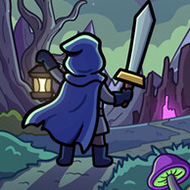
One character sprite. Seren’s the only figure on screen, drawn once and reused across every line, keeping focus on Aerona’s dialogue rather than shifting expressions.
One background. The mountain summit at sunset never cuts away, reinforcing that this is one unbroken scene rather than a sequence of locations.
About a thousand words. Every line earns its place, part of why the pacing feels tighter than most short visual novels.
Questions Players Ask About Alaris
- How long does it take to finish Alaris? Most players finish in five to ten minutes, since the script runs to roughly a thousand words with a single major choice near the end.
- Does Alaris spoil anything from the larger story it hints at? No. It stands alone, ending before the climactic fight it sets up, so newcomers don’t need outside context to follow Seren and Aerona’s conversation.
- What actually happens at the end of Alaris? The ending stays deliberately ambiguous about whether Seren survives the climb, with Aerona’s final response left open enough that players regularly disagree on how to read it.
Alaris earns its reputation as one of the more talked-about short entries from its jam by refusing to pad itself out. Seren’s climb, Aerona’s unanswered question, and that frozen sunset over the summit are the whole game, and that restraint is why players keep rereading it.