










ForgeTax










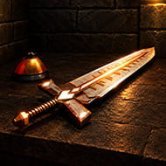
Hammering the same sword ten times in ForgeTax does more than raise its value, because it also charges Frenzy, a short window where you can swing without fear of the sword shattering. That one detail explains the whole loop: you forge swords in a dark first-person forge, pay tribute to the dragon that owns the place, and gamble on every strike to bend the odds your way.
| Genre | First-person roguelite forging |
| Platform | Windows PC |
| Mode | Single-player |
| Goal | Pay the dragon’s tribute each round |
| Run length | 21 days |
Five Strike Outcomes in ForgeTax
Every hammer blow draws one of five results: Break, Damage, Hold, Success, or Great. Success and Great raise the sword’s value and level, Hold keeps things steady, Damage knocks a level off, and Break destroys the sword. The draw works like a lottery of tickets, which is why relics talk about adding Success tickets or removing Break tickets.
New players often misread Damage as the worst case, when Break is the one that ends the sword. Many relics turn Damage into an advantage instead, such as Unbroken Oath, which gives each Damage a 70 percent chance of granting a level.
Gamblers who enjoy reading odds will feel at home, because the value and ticket numbers are shown and every relic changes the math. The skill is not hitting a button but deciding when the next swing is worth it.
Break Chance and the Greed Problem
Sword value climbs steadily with each strike, but the chance of breaking accelerates, so late swings cost far more than early ones. At high levels a single extra hammer blow can erase a whole round of work. That non-linear curve is the main source of tension in the game.
The most common beginner mistake is greed: pushing a promising sword one swing too far. The tribute only needs a set value, so stopping early and paying is often better than chasing a +10 that shatters.
Black Knot, Iron Hoop, and Dragonscale Tongs exist for players who would rather lower Break chance than gamble on it. Dragonscale Tongs cuts Break chance by 25 percent once a sword reaches +6, which changes how far you can safely push.
Frenzy Charge and Why Ten Strikes Matter
Frenzy is the safety valve. Strike the same sword ten times to charge it, then unleash it on the next hit for a brief window where Break stops being a threat. Inside that window the right sequence of swings can push a sword far past what normal strikes would allow.
Several relics feed this loop. Chained Hourglass gives each Hold outside Frenzy a 50 percent chance to add a charge, Cracked Wristwatch adds a charge for every Damage, and Ember Locket gives two charges on the first normal strike of each sword. Red Hourglass and Undying Wick then stretch the window itself.
Players call this a Frenzy build, and it is one of the archetypes people argue about most, alongside Hold and Great builds. Glass Hourglass makes Greats during Frenzy worth three levels, so a well-timed window is where the biggest swords come from.
Day 1 Gift Relics and Early Shop Choices in ForgeTax
On Day 1 you are offered three relics from a pool of eight, and you keep only one. There is no reroll, so the first pick matters. Black Knot lowers Break chance by 10 percent, Inspection Stamp adds 100 G for each Success or Great, and Lucky Coal gives an extra Great ticket.
- Heat the blade and bring it to the anvil
- Strike, deciding after each result whether to push on or stop
- Ring the bell and present the tribute
- Spend swords in the relic shop for the next round
From Day 2 the relic shop normally offers three paid relics each day, and the price is counted in swords. Many early relics cost one sword, so every sword you spend on a relic is a real trade-off.
Patient builders often wait for Day 3 or Day 4, when relics like Iron Hoop and Journeyman Badge start to appear. Newcomers who grab the first cheap relic can miss a better fit later, since the shop shows only three paid relics per day.
Hold, Great, and Money Builds Players Argue About
Past the first few days, runs split into archetypes. Success builds stack tickets from Bent Nail, Royal Spike, and Bronze Cog, Great builds lean on Lucky Coal, Golden Nail, and Oracle Die, and Hold builds use Sealing Stone, Patient Weight, and Cold Teacup.
Money builds ignore levels and chase value directly. Iron Signet adds 15 percent, Cracked Bell adds 20 percent for every Great, and Dragon Signet adds a huge 50 percent once a sword reaches +12.
Safety-minded players can bring emergency options instead. Dragon’s Pardon prevents death once and lowers Rage by 1, Phoenix Ash saves a sword from one Break at the cost of 40 percent of its value, and Lifetime Contract on Day 10 starts issued swords at +7 so they no longer need heating.
Why ForgeTax Splits Steam Reviews
Roughly half of the Steam reviews are positive, so the game clearly divides people. A run depends on tickets being drawn, and some players enjoy that tension while others will always feel that luck decides too much.
The honest takeaway is that relics soften the randomness but never remove it. Even with Black Knot and Dragonscale Tongs, a Break can still land at the worst moment, and a failed tribute still invites the dragon’s wrath.
Short runs help the case, since a failed attempt costs little time and the next one starts with a fresh Day 1 gift.
ForgeTax is a game about knowing when to stop swinging: bank the sword, pay the tribute, and save your Frenzy for the strike that matters. Pick a Day 1 relic that fits your nerve, and the dragon’s forge starts to feel less like a prison and more like a puzzle you can bend.