













The Wolf and the Seven Little Goats (Analog Horror)

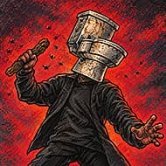

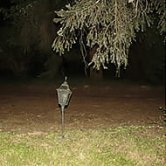
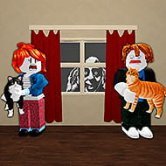
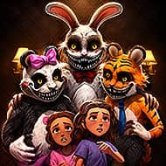
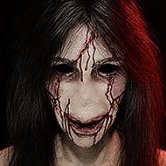


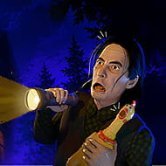
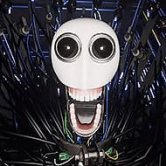

In The Wolf and the Seven Little Goats (Analog Horror) the setup is the one every Grimm reader knows: Mother Goat has left, seven kids are alone in the house, and somebody starts knocking. What changes is the way it is told, through grainy VHS-style footage, static, and a house that feels like a recording nobody should have kept.
How The Wolf and the Seven Little Goats (Analog Horror) Rewrites the Fairy Tale
The fairy tale is brutally simple. Mother Goat warns her seven kids about the wolf, he returns after softening his voice and whitening his paw with flour, and the kids open the door. Six are eaten, the youngest hides in the grandfather clock, and Mother Goat finally fills the wolf’s belly with stones, which sends him into the well.
The analog horror treatment keeps that skeleton and strips away the bedtime comfort.
Fans of the wider fairy tale analog horror series will recognize the Big Bad Wolf as a recurring figure who stalks more than one story, so this retelling reads as part of a connected universe rather than a stand-alone scare.
The Knock, the Voice and the Door
Everything turns on one question: is that really Mother Goat? Analog horror lives on sound that is almost right, and a voice that is nearly familiar is scarier than one that is plainly wrong. The tale itself runs in a clear order:
- Mother Goat leaves and warns the kids
- The wolf knocks and fails the voice test
- He softens his voice and whitens his paw with flour
- The door opens and the kids scatter
That sequence is the backbone, and the house around it gives the horror room to breathe: small rooms, hiding places, and a grandfather clock that readers of the tale already know is the one place a kid can survive.
Players who know the tale spot the disguise sooner, while newcomers tend to trust the first familiar voice at the door, and the story punishes that instinct.
What Divides Players About the Pacing
The honest split is between people who want a story and people who want a rule set. Pages describing how the game plays disagree on how much roaming and puzzle-solving there is, so go in expecting mood first and mechanics second. Horror fans who love fairy tale retellings usually enjoy that trade.
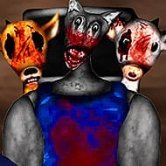
Once the Big Bad Wolf drops his disguise, the tone shifts from suspicion to panic, and the VHS static stops being decoration and starts feeling like interference from something that wants in. Some viewers find the abrupt turn thrilling, and some find it too short to settle into.
Regulars of serialized analog horror will enjoy spotting the series connections, while parents should know the source tale is far darker than most bedtime retellings suggest.
Playing The Wolf and the Seven Little Goats (Analog Horror) With Headphones On
Headphones are the single best upgrade, because the static, the muffled knock and the voice at the door carry the fear. In a dark room the grain of the VHS look reads better and the silences between sounds stop feeling empty.
Keep the tale in your head while you watch. The flour on the paw, the stones in the belly and the well are the details the story keeps pointing at, and noticing them early makes the final stretch land harder.
Casual puzzle players should treat the game as a short, atmospheric detour, best taken in one sitting.
The Wolf and the Seven Little Goats (Analog Horror) works best as a single dark sitting: Mother Goat’s warning, a knock that sounds almost right, and a grandfather clock that readers of the tale know is the only place one kid lives to see morning. Turn the lights off and listen to the voice at the door before you decide to trust it.