
















ASWANG HUNTER


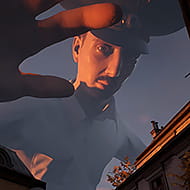


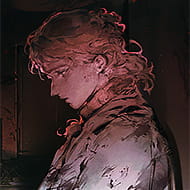


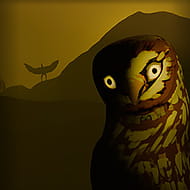



You crouch by the window of a house that isn’t yours, watching a family you met an hour ago eat dinner in silence, and then the glass fogs with a shape that shouldn’t be there. This is the rhythm of Aswang Hunter: long stretches of quiet dread broken by moments where you have half a second to decide who lives. The game drops you into rural Philippine barangays as a hunter with no official backing, sent to protect households that local authorities have written off as folklore paranoia.
| Genre | Survival horror, tactical combat |
| Setting | Rural Philippine barangays |
| Core Loop | Investigate at twilight, defend at midnight |
| Combat Style | Independent dual-arm real-time combat |
What the Twilight Phase Actually Asks of You
Before anything tries to kill anyone, Aswang Hunter wants you to sit with the family you’ve been sent to protect. You walk the property, talk to whoever’s home, and start building a mental map of every window, every gap in the fence, every place a shape could slip through unnoticed. New players treat this like a cutscene to skip through, but it’s the game quietly teaching you the floor plan you’ll need memorized once the lights start flickering.
The dialogue during this stretch isn’t just flavor. Family members mention details — a scratching sound from the roof two nights ago, a missing goat, a relative who won’t come outside after dark — that hint at which entity is circling the property before you ever see it. Players who rush this phase tend to walk into midnight blind, unsure which window to watch first.
There’s also a pacing trick worth noticing: the twilight hours run longer than they feel. You have more time than the tension suggests to actually check every room, and burning that time properly is what separates a clean night from a scramble.
Reading Window Silhouettes Before Aswang Hunter Punishes You for Guessing
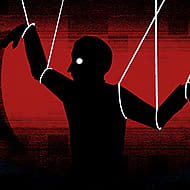
Once midnight hits, your job shifts from listening to watching. Windows across the house flicker with subtle tells — a flash of red eyes, a silhouette moving wrong, a shape passing too low or too fast. These cues are deliberately easy to miss on a first playthrough, and that’s the point. The game is testing whether you actually learned the house layout during twilight.
A single delayed read on one of these silhouettes doesn’t just cost you a jump scare — it costs a family member. That permanence is what players bring up most in early discussions of the game: there’s no polite fail state, just a room that’s suddenly empty.
Bolos, Bamboo Spears, and the Weapons Aswang Hunter Makes You Earn
- Bolos and knives, often found on the property itself
- Bamboo spears, useful for keeping distance from anything fast
- Hammers, blunt and slow but punishing on a solid hit
None of this arsenal is handed to you outright. You scavenge it from the rural environment or earn it from grateful families after proving you’re worth trusting, which means your loadout on any given night depends partly on how well the twilight phase went. Show up to midnight having ignored half the property and you might be facing a Manananggal with nothing but a kitchen knife.
Dual-Arm Combat and Why Button-Mashing Gets You Killed
The combat system hinges on controlling your left and right arms independently through separate hotkeys, which sounds like a gimmick until the first real fight. One arm blocks, the other strikes, and the stamina bar drains on both desperate swings and calculated parries alike. Players coming in expecting a typical horror-action combo chain get punished fast — Aswang Hunter rewards patience over aggression.
Combat-focused players tend to gravitate toward hammer-and-spear pairings for the reach and stopping power, while tension-first players who spent extra time on the investigation phase often lean into more defensive knife-and-bolo setups since they’ve already thinned out the threat before it escalates.
The Wakwak, the Tiktik, and the Manananggal at the Brink of Death
What sets the monster design apart is cowardice as a mechanic. The vicious Wakwak, the creeping Tiktik, and the flying, torso-detaching Manananggal will all attempt to flee once pushed close to death rather than fight to the last hit. That triggers a rapid-fire execution minigame — miss it, and the creature retreats into the dark to recover, only to reinvade later that same night hungrier than before.
This retreat-and-return loop is one of the more divisive pieces of the design. Some players find it tense in exactly the right way, forcing you to commit fully to a kill instead of chipping away safely. Others find a fled Manananggal returning twenty minutes later, mid-fight with something else, to be one frustration too many stacked on an already unforgiving night.
How do you stop a fleeing enemy from escaping in Aswang Hunter?
You need to land the killing blow during the rapid-fire execution minigame that triggers once the Wakwak, Tiktik, or Manananggal reaches critical health near death. Miss the window and it flees to recover and reinvade.
What weapons work best against the Manananggal?
Bamboo spears give you the reach to deal with its detached-torso flight pattern without getting caught in melee range, though hammers can stagger it hard enough to set up an execution if you can close the distance.
Does ignoring the twilight investigation phase make Aswang Hunter harder?
Yes — skipping conversations with family members means missing early clues about which entity is circling the property and which weapons you’ll be able to scavenge or earn before midnight begins.
Nights in Aswang Hunter rarely end the way you planned them, and that unpredictability is exactly what keeps the format from going stale — one household teaches you to trust window silhouettes over instinct, and the next punishes you for it the moment a Manananggal detaches mid-flight over the fence line.