




















Beat The Keeper Marble Race



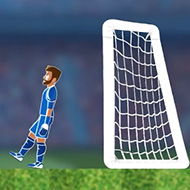
What happens when a football penalty shootout gets handed over to physics instead of players? That’s the whole premise of Beat The Keeper Marble Race, the mode inside Bluza’s Marble Race Ultimate that turned rolling spheres into a surprisingly tense sports simulation. Marbles representing countries or clubs line up, swipe their way toward goal, and the first side to score enough times against a lone virtual keeper wins the round.
| Genre | Physics simulation / sports |
| Developer | Bluza |
| Control | 8-direction swipe |
| Modes | Elimination, Teams, Battle, League, Beat The Keeper |
How Beat The Keeper Actually Works
Unlike Elimination or League, Beat The Keeper strips the format down to something closer to a shootout: two marbles race to score five goals against a single automated keeper. Mana has to restore before you can swipe your marble again, so pacing your moves matters more than mashing the screen. This mana-timing element is the community’s favorite talking point, since it’s the mechanic that separates lucky bounces from actual control.
The obstacle-strewn pitch adds randomness the marble can’t fully avoid, and that’s by design — Beat The Keeper leans into unpredictability rather than skill purity.
World Cup and Tournament Formats
Content creators have scaled Beat The Keeper way past its original small-bracket format, running tournaments with 320 clubs in an elimination structure or full World Cup simulations with 16 to 100 countries competing for a single winner. These massive brackets are where the game earns most of its YouTube audience, since watching dozens of marbles funnel down to two finalists creates its own kind of drama.
Emeralds: the currency earned from winning races, though players frequently point out that losing runs feel undercompensated compared to how much time a big tournament takes.
Once you’ve watched a few Champions League-style brackets, the pattern becomes obvious: early upsets happen constantly, because a five-goal race against the keeper leaves almost no room to recover from a bad bounce.
Team and League Variations
Outside Beat The Keeper itself, Teams mode pits marble squads against rival squads with eliminations each stage, while League mode drops the elimination pressure entirely in favor of accumulated points over a long run. Players who prefer steady progress over shootout tension tend to gravitate toward League.
Beat The Keeper vs Standard Football Mode
Football mode plays out more like a full match, while Beat The Keeper compresses everything into a race to five or ten goals. That compression is what makes it replayable in short bursts, which is part of why it’s become the most streamed mode of the game.
- What does the mana bar control in Beat The Keeper? It gates how often your marble can move, forcing players to time swipes rather than spam them, which is the core skill the mode is built around.
- Can you predict which marble wins a Beat The Keeper race? Not reliably — track obstacles and randomized keeper positioning mean even a strong early lead can collapse, which is part of the appeal for tournament organizers.
- Is Beat The Keeper different from the World Cup mode? Yes, World Cup simulates a full bracket using the underlying marble race engine, while Beat The Keeper is one specific shootout format within it.
Beat The Keeper Marble Race keeps pulling in viewers precisely because it never pretends to be a skill game — it’s a controlled chaos machine, and every emerald-earning shootout in Beat The Keeper proves that a country’s marble can lose to bad luck just as easily as it can lose to a better opponent.