









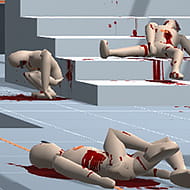
DISTURBING FEARS – Workplace
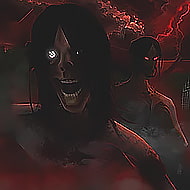
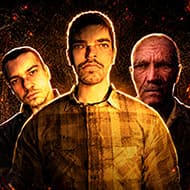
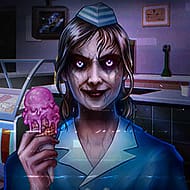

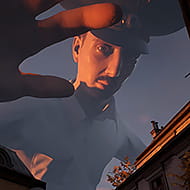


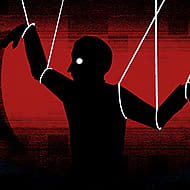
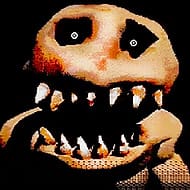


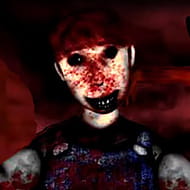
What happens when Emma’s phone buzzes at 11 p.m. and the office she thought was empty stops sounding empty? That’s the premise DISTURBING FEARS – Workplace builds its entire runtime around, and it plays the discomfort straight rather than reaching for cheap jolts.
| Genre | Psychological Horror, Walking Simulator |
| Perspective | First-person |
| Setting | An office building during a night shift |
| Release | August 4, 2026 |
Emma’s Night Shift and the Empty Office
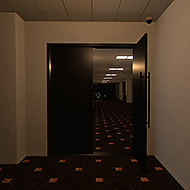
Emma stays late to earn some extra money, and the game spends its opening stretch letting that decision feel completely ordinary. Desks, hallways, a break room — nothing supernatural yet, just the specific quiet of a building after everyone else has gone home. You walk past cubicles that are lit exactly the way they’d be lit on any unremarkable night, and the game lets that mundanity sit for longer than most horror titles would dare.
That quiet is doing more work than it looks like. Once the building starts feeling wrong, the game never explains why, and it doesn’t need to; the dread comes from a space you already trusted turning unreliable. A vending machine hums a half-second too long. A door you passed twice is suddenly closed.
This restraint is why comparisons to Fears to Fathom and Chilla’s Art come up constantly in community discussion — the influence isn’t hidden, it’s the whole design language. Players who’ve spent time with those games will recognize the pacing almost immediately, while newcomers describe being lulled before the first real scare lands.
Voice and Webcam Systems in DISTURBING FEARS – Workplace
The game includes optional microphone and webcam interaction, meaning Emma can react to sounds you actually make or movement the camera picks up. Neither is required to finish the game, but players who enable them describe a noticeably tenser experience, since staying quiet becomes something you have to physically do rather than just role-play at a keyboard.
NPCs also send texts to Emma’s phone mid-session, which keeps the horror grounded in something mundane and familiar rather than abstract. Reading a coworker’s message while alone in a dark office does more emotional work than a scripted cutscene would.
Setting up a webcam properly takes a few minutes of fiddling with lighting and framing, and some players skip it entirely on a first run just to see how the game plays without added pressure, then go back and turn it on for a second, harder session.
Where New Players Get Caught Off Guard
Most first-time players underestimate how much this game leans on stillness. There’s no combat and no real inventory puzzle to solve — success mostly means noticing when the office has changed and reacting appropriately, which trips people expecting a more active horror loop.
The achievement called Keep Your Head Down is a direct hint at this: players who rush tend to trigger encounters that patient players avoid entirely. Reddit threads about the game tend to repeat the same advice, phrased differently each time — slow down, listen, don’t assume a hallway is clear just because it was clear thirty seconds ago.
Speedrun-minded players and story-focused players approach the office very differently. One group wants to reach the ending as fast as possible; the other lingers in every room, reading every note and text Emma receives, and the game rewards both approaches in different ways.
The VHS Aesthetic and the Wider DISTURBING FEARS Anthology
Workplace is the first installment in the DISTURBING FEARS anthology, and its 1990s-inspired visual filter isn’t just decoration — it reinforces the “based on true events” framing that runs through the marketing and the achievement list, including one simply titled Just the Beginning.
Whether that framing adds genuine dread or feels like a gimmick is one of the more debated points among players, and reasonable people land on both sides. Some find the grainy overlay immersive; others feel it occasionally muddies visibility in already-dark rooms.
- Is a microphone or webcam required to play DISTURBING FEARS – Workplace? No. Both are optional interaction systems that add reactivity to sound and movement, but the game is fully completable with a keyboard and mouse alone.
- How long is the Workplace episode? It’s built as a short, single-session experience rather than a sprawling campaign, in line with the anthology’s episodic structure, and most players finish it in under an hour on a first attempt.
- Does the game rely on jumpscares or slow-burn tension? It leans heavily toward slow-burn atmosphere, with silence and NPC texts doing more work than sudden shocks, though a handful of sharper moments do land later in the shift.
By the time Emma’s phone buzzes again near the end of her shift, DISTURBING FEARS – Workplace has already taught you to distrust the quiet, and that’s the lesson — Snack Attack achievement included — that most players end up remembering long after they’ve logged off for the night.