







Do NOT Look at The Sun
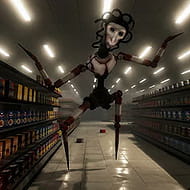
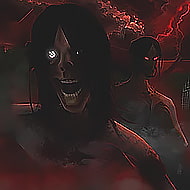

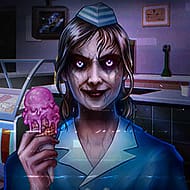
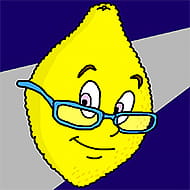
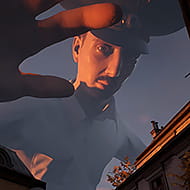
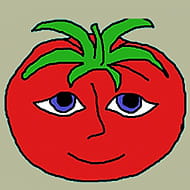

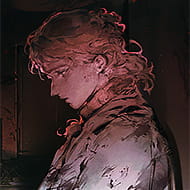
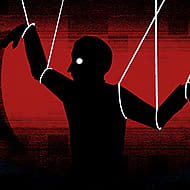


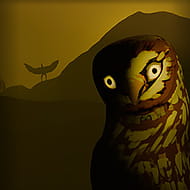
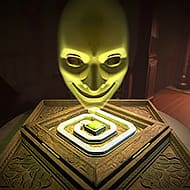
What if solving the warning Do NOT Look at The Sun gave you permission to get closer to the thing you were told to fear? This popular Japanese horror puzzle game builds its progression around exactly that kind of deceptive idea, using intricate riddles to make the player question what the Sun represents. Calendars, strange wording, hidden interactions, and unexpected connections turn each solved puzzle into another step toward a mystery that becomes more surreal as the game continues.
Breaking the Rules in Do NOT Look at The Sun
The warning sounds straightforward, but the game’s real challenge is discovering why the warning exists and what the player is supposed to do with it. The Sun is the source of daylight, which normally represents visibility and safety, yet here that same source of light carries danger. The contradiction gives the puzzles a clear thematic foundation because every solution brings the player closer to something that should never be approached casually.
Beginners can easily assume that the puzzles will follow familiar rules. A calendar may look like a simple sequence puzzle, a phrase may appear to have one obvious interpretation, and an environmental detail may seem like background decoration. The game deliberately undermines those assumptions, so the first breakthrough often comes from realizing that the clue itself has been read incorrectly.
For players who enjoy escape-room puzzles, the satisfaction comes from connecting several small details into one answer. Horror fans who normally focus on atmosphere can also find themselves taking notes and testing interpretations because the next discovery depends on understanding what came before.
Calendars, Dates, and Deception
The calendar puzzles demonstrate how the game turns ordinary information into something suspicious. A date is rarely interesting simply because it is a date; the important question is why that date is present and how it relates to the surrounding information. The player may need to compare positions, notice repetition, reinterpret a sequence, or connect the calendar to another clue.
That process creates a distinctive kind of puzzle frustration. You can understand every individual part and still fail to see the intended relationship between them. When the connection finally appears, earlier details that seemed pointless become useful, giving the solution a strong sense of retroactive logic.
Players who enjoy meticulous investigation can benefit from recording unusual dates and phrases rather than trusting memory. The game rewards that habit because later discoveries can change the significance of information encountered much earlier.
Wordplay Beyond the Literal Meaning
The game’s creative wordplay is designed to make familiar language unreliable. A clue may depend on how a word sounds, how it can be divided, what it suggests, or how it connects to another expression. That means the player needs to test interpretations rather than assuming the most obvious reading is automatically correct.
A particularly recognizable puzzle moment happens when a phrase that seemed completely ordinary suddenly becomes a clue after another piece falls into place. The realization is satisfying because the solution does not necessarily require more information; it requires seeing information that was already present differently.
Players who prefer strict mathematical logic may find this approach less predictable, while lateral-thinking fans may appreciate the freedom to experiment. The game deliberately lives in that space between deduction and interpretation, which is also where much of its deceptive horror comes from.
Hidden Mechanics Behind the Riddles
Not every solution is communicated through an obvious puzzle interface. Hidden mechanics can become important when the player interacts with information in an unexpected way or recognizes that an apparently passive element has another purpose. This encourages experimentation and makes observation part of the puzzle-solving process.
Early in the game, a player may still expect each riddle to announce its boundaries clearly. Later, that expectation becomes less reliable. Once hidden mechanics begin to matter, the player has to ask whether the environment itself is participating in the puzzle rather than simply containing it.
This structure is particularly effective for players who enjoy finding secrets without being directly told where to look. The downside is that some discoveries can feel obscure, and that is one of the aspects players may debate when discussing the game’s puzzle design.
From Daylight to Horror
The Sun is frightening precisely because it performs the opposite role in ordinary life. It provides the light that allows people to see during the day, yet Do NOT Look at The Sun makes that source of illumination something that must be approached with suspicion. The more the player learns, the harder it becomes to treat daylight as a neutral background element.
As the puzzles become increasingly surreal, the relationship between solving riddles and approaching the Sun becomes more important. Progress does not simply make the game easier; it exposes deeper questions and stranger situations. The player is rewarded with information, but that information can make the original warning feel even more disturbing.
The strongest progression comes from this escalation of meaning. A simple warning becomes a puzzle instruction, the puzzle instruction becomes part of a mystery, and the mystery keeps expanding as more hidden connections are uncovered.
Questions About the Japanese Puzzle Design
What should players look for in the calendar puzzles?
Players should look for unusual dates, arrangements, repetitions, and connections between calendar information and other clues. The calendar works as part of a larger puzzle network, so its meaning may only become clear after another piece of information changes how the dates are interpreted.
How does creative wordplay affect puzzle solving?
Creative wordplay forces players to consider meanings beyond the literal reading of a phrase. A clue may depend on sound, wording, association, or an unexpected interpretation, making flexible thinking essential when a straightforward answer produces nothing.
Does solving the riddles make the horror easier?
Solving riddles advances the player toward the mystery of the Sun, but progression does not simply remove the danger. Each solution can expose stranger mechanics and more unsettling information, so understanding the game can make the central warning feel increasingly significant.
Do NOT Look at The Sun uses calendars, wordplay, and hidden mechanics to make every solution feel like another piece of a larger secret. The Sun remains both the source of daylight and the object at the center of the danger, making each successful puzzle solution another step toward an increasingly surreal discovery.