










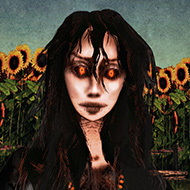
Dread Fields






You buy the farm because the city stopped feeling survivable, and the strange old man selling it barely looks at you when he hands over the keys. Dread Fields opens on that quiet, almost mundane note — chores, fresh air, a cow that needs milking — before it starts pulling the ground out from under that peace one night at a time.
| Genre | Folk horror farming simulation |
| Setting | An isolated farm in a late-1990s Eastern European village |
| Perspective | First-person, single-player |
| Core Objective | Complete daily farm chores and survive escalating nighttime horror |
Chores That Turn Sinister as the Sun Goes Down
Daytime in Dread Fields is deceptively simple: milk the cow, feed the chickens, chop wood, carry water from the well, dig in the garden. None of it is optional, and the game gives you zero freedom to farm indefinitely or skip ahead — every task is assigned, and you work through the list because that’s the game. It sounds tedious written out like that, but the repetition is doing quiet work in the background, training you into a rhythm before it starts breaking that rhythm on purpose.
Players who go in expecting an open farming sandbox tend to come away disappointed by how little control they actually have over the daily routine. That’s a fair criticism, and it shows up constantly in community discussion, but it also misses that the rigidity is the point — you’re not meant to feel in charge of this land.
What beginners consistently get wrong is treating early chores casually, wandering off mid-task to look at something odd in the tree line. The game punishes that curiosity subtly at first — a missing item here, a task reset there — long before it punishes you with anything overtly dangerous.
What the Farm’s Previous Owner Left Behind
Scattered across the property are objects that clearly don’t belong to a working farm — out-of-place items tucked in the barn, the cellar, the tree line, each one hinting at something the previous owner did or endured before selling up. None of it is explained directly. You piece the backstory together the way you’d piece together an actual local legend, from fragments rather than exposition.
This is where Dread Fields earns comparisons to folk horror storytelling rather than generic jump-scare horror. The dread builds from implication — a burned patch of earth, an item that shouldn’t still be here — rather than from anything chasing you down a hallway.
By the time you reach the second or third night, the accumulated detail starts forming a genuinely upsetting picture of what actually happened on this land, and that slow reveal is consistently the part players cite as the game’s strongest element.
The Fire Mechanic Everyone Talks About
One early night teases a survival mechanic around keeping a fire burning to fend off the pale figures said to haunt the property, and it’s become something of a talking point precisely because it doesn’t fully pay off the way players expect. You’ll spend one tense stretch gathering firewood while watching the treeline, and then the game moves on without escalating that particular thread much further.
Some players read that as an intentional subversion — folk horror is often about anticlimax and dread rather than confrontation. Others find it a missed opportunity, wishing the game had leaned harder into that one mechanic instead of introducing it and moving past it. It’s one of the more openly debated design choices among people who’ve finished the game.
Folk Horror Imagery Woven Into the Land
The visual and cultural texture here matters as much as any mechanic. Traditional folk imagery, faded post-Soviet-era detailing, and a genuine sense of place run through every room of the farmhouse and every corner of the property. This isn’t horror borrowing aesthetic wallpaper from a generic haunted-house template — it’s specific, and that specificity is part of why the game has resonated so strongly within its home region’s player community.
Exploration-minded players linger here, reading every note and studying every strange object for cultural context. Players chasing a faster route through the story tend to miss a good portion of that texture entirely, which is part of why replaying Dread Fields reveals so much more than a first pass through.
Multiple Endings and Why Players Replay
The game’s ending branches depending on choices and discoveries made across the full playthrough, and a completionist mindset genuinely changes the ending you land on — whether you manage to save everyone tied to the farm or end up buried alongside its secrets instead.
- A full first run runs roughly ninety minutes for most players
- Later playthroughs run shorter once the chore order becomes familiar
- Certain endings require noticing specific optional details easy to miss on a first pass
That replay incentive is doing a lot of heavy lifting for a game this short, and it’s the main reason Dread Fields keeps coming up in year-end indie horror discussions despite its brief runtime.
Pacing Across a Single Night on the Farm
The overall structure compresses an entire dread-building arc into a handful of in-game days, which means the game never gets the chance to overstay its welcome the way longer horror titles sometimes do. Every returning player mentions the same thing: nothing overtly frightening happens most nights, and that restraint is exactly what makes the nights where something does happen land so hard.
- How many endings does Dread Fields have? The game features multiple distinct endings tied to how much of the farm’s hidden history you uncover and which choices you make along the way.
- What happens if you don’t keep the fire going? The fire-tending sequence appears early as a tense one-off stretch rather than a sustained ongoing mechanic, so failing it doesn’t derail the rest of the playthrough the way some players initially expect.
- How long does it take to finish Dread Fields? A first playthrough runs around ninety minutes, with additional replays typically shorter once you know the chore sequence and where to look for hidden details.
Dread Fields never needed jump scares to unsettle players — a cow that needs milking and a well that needs drawing from turn out to be more than enough once the farm starts showing you exactly what its previous owner left buried beneath the soil.