











Five New-Fangled Nights


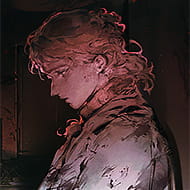
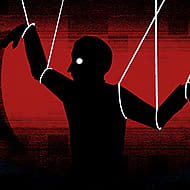

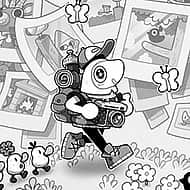
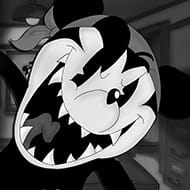
Five New-Fangled Nights looks like a rescued 1920s cartoon reel but plays like a nightguard shift engineered to wear you down camera by camera. The rubberhose art style is the first thing anyone notices, and it’s also the thing that makes the game’s tension land differently than most of its genre.
| Genre | Retro survival horror |
| Playable Role | Nightguard |
| Setting | A kiddy restaurant, 1927 |
| Camera Interface | Faz-puter |
Freddy-Bear, Bonnie T. Bunny, and the Rest of the Cast
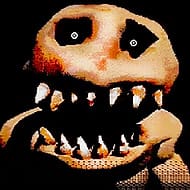
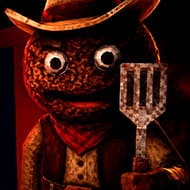
The animatronic roster in Five New-Fangled Nights takes its visual cues straight from early cartoon icons — Freddy-Bear pulls from Mickey Mouse, Bonnie T. Bunny leans on Oswald the Lucky Rabbit — which gives the whole cast a nostalgic, almost cheerful surface that the actual gameplay works against constantly. Chica the Chicken, Foxy the Pirate, Carl the Cupcake, Popgoes the Weasel, Kou the Cow, Friedrich, Rat, and Mr. Moose round out a lineup unusually large for this genre.
What players ask most often when they first hear about this game is why it looks like an old cartoon instead of the usual worn-metal or high-poly horror aesthetic. The answer is intentional: the visual style is the game’s entire identity, built to make familiar FNAF-style threats feel unsettling through warmth rather than grime.
Rat gets singled out constantly in player screenshots for a small easter egg on the title screen, a detail that’s become a minor community in-joke despite having no gameplay function at all.
Watching the Faz-puter Cameras
The Faz-puter is the in-universe terminal used to flip between camera feeds, and it functions as the game’s core information system rather than a passive viewing tool. Learning each animatronic’s pathing through the Faz-puter is the single skill that separates early failed nights from later successful ones, since none of the roster behaves identically.
Night 1 is where most players build their first real understanding of this system, and reviewers consistently point out that the pacing here rewards patience over panic-clicking through camera feeds.
Ghost Children Behind the Masks
Unlike a lot of entries in this genre that treat possession as background lore, Five New-Fangled Nights puts unusual focus on the ghost children inhabiting each animatronic. This is one of the more common long-tail questions players search before starting: how the possession angle actually plays into the gameplay rather than just the story. It surfaces mainly through flavor details and character-specific behavior rather than an explicit mechanic, which some players find underexplained and others appreciate for leaving room to interpret.
Yell’r Bear as the Overarching Threat
Yell’r Bear sits above the rest of the roster as the game’s overarching antagonist, and the name itself is a play on Golden Freddy’s internal file name from the original series, combined with the yelling sound tied to the jumpscare. Yell’r Bear is also the only character who can’t be toggled on in Custom Night, which keeps this fight tied specifically to the main campaign rather than freeform play.
Community threads asking who Yell’r Bear actually is tend to get pointed toward this boss encounter directly, since it’s the clearest answer the game gives without spelling out every detail.
Custom Night and Postgame Roster
Once the main nights are cleared, Custom Night opens up nearly the full cast for freeform difficulty tuning, a feature veteran FNAF fans expect but one that carries extra weight here given how differently each animatronic behaves compared to genre norms. Instead of a scream, every jumpscare plays a loud brass sting, with Freddy-Bear and Mr. Moose adding a roar and Chica adding a chicken sound on top of it.
That detail alone tells you how deliberately the cartoon framing extends into the horror itself instead of being cosmetic dressing over standard mechanics.
What Five New-Fangled Nights Does Differently From Other Fangames
Set against a wave of fangames chasing either 3D realism or unsettling ransomware-style visuals, Five New-Fangled Nights stands apart by going backward instead of forward, and that choice is exactly what players debate most. Some find the era-appropriate art style the best thing about the game; others feel it occasionally undercuts genuine scares by leaning too hard into its own gimmick.
Between Yell’r Bear’s boss encounter, the ghost children quietly shaping the story, and a cast built to evoke 1920s cartoons rather than modern horror design, Five New-Fangled Nights earns its reputation by committing fully to an idea most of the genre never attempts.