











Five Nights at Chuck E Cheese
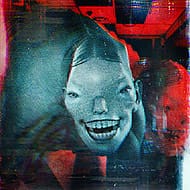
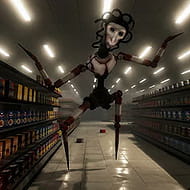
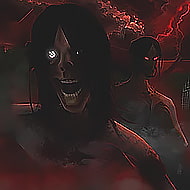
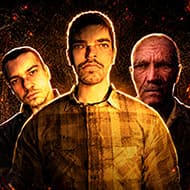
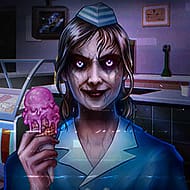

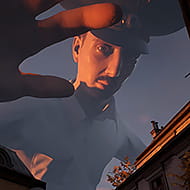

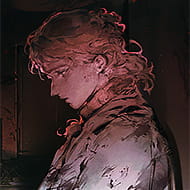
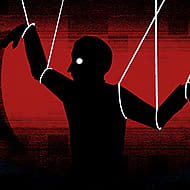
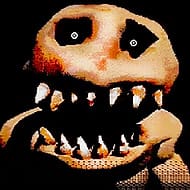
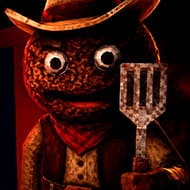
What happens when the flashlight in your hand is the only thing standing between you and whatever just stepped into the front hall? That’s the exact question Five Nights at Chuck E Cheese puts in front of new players within the first few minutes of Night 1, and it doesn’t waste time easing anyone into the answer.
| Genre | Point-and-Click Horror |
| Setting | The Office, inside a Chuck E. Cheese’s location |
| Core Tool | Flashlight and door controls |
| Nights | Six main nights plus Custom Night |
| Key Characters | Chuck E. Cheese, Jasper T. Jowls, Mr. Munch, Helen Henny, Pasqually, Billy Bob |
Surviving the Front Hall in Five Nights at Chuck E Cheese
The Office sits at the center of everything, with a doorway leading out to a front hall that most of the roaming cast eventually passes through. Your flashlight is the main defense here — click it toward the hall or the closet, and whatever’s standing there either flinches, freezes, or occasionally doesn’t react at all, which is its own kind of warning.
Chuck E. Cheese himself is usually the character new players fixate on, since he’s framed as the closest thing the game has to a lead antagonist. He moves through the building at his own pace and eventually shows up right at the doorway, and hesitating even a second too long with the flashlight there tends to end the night early.
Jasper T. Jowls and Mr. Munch add pressure from different angles almost immediately once they’re active. Jasper tends to push through the right vent, while Mr. Munch is faster once he clears the Showstage, which means the player has to split attention between the monitor and the physical doorway instead of camping one spot.
Reading the Monitor and Managing Power
- Check the monitor in short bursts rather than holding it open, since power drains the whole time it’s up
- Flash the closet and vent regularly even when nothing seems to be moving toward them
- Close a door the instant a character is confirmed at that side, not after a second look
- Track Helen Henny separately, since she behaves differently from the vent-based threats
Power management is where most first attempts fall apart. The monitor, the doors, and the flashlight all pull from the same limited supply, and burning through it by Night 3 with hours still left on the clock is an extremely common failure point players bring up constantly on forums and Discord. The trick community members repeat most often is to treat every glance at a camera as a cost, not a free action.
Once Helen Henny becomes active, the calculus changes again. She interacts with the Main Stage cameras rather than the hallway threats most players are already tracking, so a strategy built entirely around the front hall and vents starts leaking power in a direction beginners aren’t watching yet.
By the time you reach Night 4, the building’s cast is nearly full, and the game stops giving you room to fixate on a single threat. This is the point where the original design intent of the game — layered, overlapping pressure rather than one big scripted scare — becomes obvious.
What Makes Later Nights in Five Nights at Chuck E Cheese Brutal
Pasqually is often the character veteran players single out as the most unsettling, not because of raw difficulty but because of how sparingly he shows up and how little warning he gives compared to the rest of the roster. Billy Bob, by contrast, is more of a background presence for most of a run, which makes the moment he actually becomes a threat land harder than it has any right to.
Night 6 is where the game stops holding anything back, and by that point managing the flashlight, the monitor, and both doors simultaneously stops being optional. Players who treated earlier nights as a war of attrition against one or two characters usually get caught flat-footed here, since nearly the entire cast is active at once.
Custom Night exists specifically for players who’ve cleared the main six and want to push difficulty further, letting you dial up individual characters’ aggression instead of facing the fixed curve of the story nights. It’s become something of a badge of completion within the community, and clearing it at max settings gets brought up constantly in playthroughs and comment sections.
Where the Community Disagrees
Not every reaction to Five Nights at Chuck E Cheese has been glowing. A recurring criticism is that the mechanics lean heavily on the structure of the game that inspired it, and some players see that as a limitation rather than a tribute. Others push back on that read entirely, arguing the specific cast, the pacing of the front hall threat, and the vent timing give it its own identity despite the obvious influence. That disagreement hasn’t gone away, and it’s still one of the most common threads in discussions about the game years after its release.
What triggers a jumpscare in Five Nights at Chuck E Cheese if the flashlight runs out of power?
Five Nights at Chuck E Cheese earns its reputation less from any single scare and more from the way Chuck E. Cheese, Jasper T. Jowls, and the rest of the cast overlap until the Office genuinely feels indefensible by Night 6. That layered pressure is still what keeps players coming back to try for a clean Custom Night clear.